Top 10 Prototype Machining Tips for Global Buyers?
In the competitive world of manufacturing, prototype machining plays a crucial role in product development. According to a recent study by the National Institute of Standards and Technology, companies that invest in rapid prototyping experience a 30% faster time-to-market. This highlights the importance of effective machining practices for global buyers.
Moreover, prototype machining is not just about speed; it's also about precision. A report from the Precision Machining Association states that 70% of firms report reduced errors when using advanced prototype machining techniques. However, the process remains challenging. Many buyers struggle with sourcing reliable vendors. This highlights the need for a strategic approach.
Reflecting on industry challenges can lead to improvement. For instance, poor communication often leads to misunderstandings in specifications. Buyers must prioritize clarity in their interactions. As we explore the top 10 tips for prototype machining, keeping these industry insights in mind will enhance the success rate and quality of prototypes developed.
Understanding the Importance of Prototype Machining in Global Trade
Prototype machining plays a crucial role in global trade, especially in product development. Accurate prototypes allow companies to test designs before mass production. According to a report by Grand View Research, the global market for prototype machining is expected to reach $28.5 billion by 2025, highlighting its importance in reducing the time to market.
Understanding the techniques involved is vital for buyers. Prototype machining requires precision and skill to create components that meet exact specifications. Buyers can benefit from focusing on material selection and machine capabilities. Choosing the right material impacts durability and performance. Each material behaves differently during machining, which can influence the final product.
Effective communication with manufacturers is key. Discussing tolerances and production timelines ensures alignment and reduces errors. Buyers should also request samples to assess quality before making large orders. Prototype machining is not just about speed; it's about achieving the desired level of detail and accuracy. Engaging in a thorough review process can identify flaws early, saving cost and time later in the production cycle. Keeping these practices in mind can enhance the effectiveness of global trade through prototype machining.
Key Factors to Consider When Choosing a Prototype Machining Partner
Choosing the right prototype machining partner is crucial for success. A recent report from the International Federation of Robotics indicates that over 80% of companies focus on precision and speed in prototyping. Speed is, indeed, a competitive edge. But reliability should not be overlooked. A partner with a proven track record can save time and money.
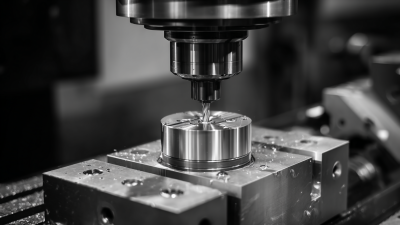
In evaluating potential partners, consider their quality control measures. ISO certifications are essential indicators of a company’s commitment to quality. Look for partners who use advanced technologies, like CNC machining and 3D printing. These processes reduce the risk of errors and deliver consistent results. Make sure they can handle your specific materials and tolerances as well.
Communication plays a key role in successful collaborations. Regular updates and feedback loops ensure that the project stays on track. A partner that practices transparency can help navigate challenges effectively. Misunderstandings can lead to costly mistakes. Therefore, it’s vital to establish clear lines of communication early in the process.
Essential Machining Techniques for High-Quality Prototypes
When it comes to creating high-quality prototypes, specific machining techniques play a vital role. Precision is key. Each component needs to fit perfectly within the assembly. Therefore, selecting tools that provide consistent accuracy is essential. Cutting tools should be sharp and designed for the specific material you are working with. This attention to detail can significantly impact the final product's quality.
Practicing good setup techniques can also lead to better results. Make sure to calibrate your machines before starting a batch of prototypes. Even slight misalignments can lead to defects. Inadequate machine maintenance can also affect outcomes. Regular checks ensure everything is running smoothly. Pay attention to coolant levels, as insufficient coolant can lead to overheating and affect the integrity of your materials.
Failing to conduct thorough testing can lead to unforeseen shortcomings in your prototype. Prototyping is not just about creating, but continuously refining. Gathering feedback early in the process allows for adjustments. Encountering flaws is a natural part of development. Embracing these lessons helps drive improvements and leads to a better final product. Adjusting techniques based on experience helps foster innovative solutions.
Common Pitfalls in Prototype Machining and How to Avoid Them
Prototype machining is a critical stage in product development. However, many global buyers encounter common pitfalls that can derail their projects. One of the most notable issues is insufficient communication between designers and machinists. A study by the American Society of Mechanical Engineers (ASME) highlights that 30% of delays in prototype machining stem from unclear specifications. Addressing this challenge requires meticulous attention to detail during the design phase.
Efficiency is vital. Failure to select the right materials can lead to increased costs and project delays. Research indicates that nearly 25% of prototypes fail due to material selection issues. Buyers should conduct thorough research on material properties, aligning them with design requirements to avoid this pitfall. Additionally, utilizing simulation software can help predict potential failures in advance.
Involving machinists early in the design process can boost accuracy and efficiency. Collaboration can minimize misunderstandings, ensuring that machining capabilities align with design expectations. Regular feedback loops during production allow for real-time adjustments. It’s essential to embrace a mindset of continuous improvement and reflection. The prototyping phase should be seen as iterative, with each cycle revealing insights. Monitoring each process step helps identify weaknesses and fosters a culture of proactive solution-finding.
Tips for Effective Communication with Machining Suppliers
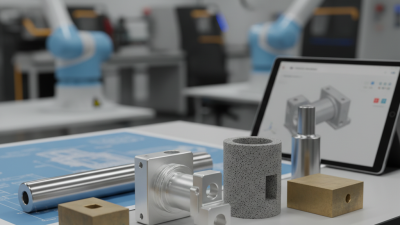
Effective communication with machining suppliers is crucial for global buyers. Establishing clear expectations right from the start can prevent misunderstandings. Share precise specifications. For instance, if you need a specific tolerance level, be explicit about it. Use technical drawings and detailed descriptions. These visuals can help suppliers understand your needs better.
Regular updates are important. Schedule checkpoints during the prototype development process. This allows you to address any concerns early on. Don't hesitate to ask questions. If something is unclear, seek clarification. This not only builds trust but also fosters a collaborative environment. It can be tempting to assume that suppliers understand everything without guidance, but that often leads to issues.
Feedback plays a vital role too. When you receive prototypes, provide constructive criticism. Highlight areas for improvement. Be candid, but also acknowledge what was done well. This balanced approach encourages suppliers to engage and adjust their processes. Sharing insights can enhance future projects and ensure that both parties align on goals.
Top 10 Prototype Machining Tips for Global Buyers