2026 Best Aluminum Machining Techniques for Global Buyers?
In the rapidly evolving landscape of manufacturing, aluminum machining stands out for its versatility and efficiency. Industry reports indicate a projected growth of 5.8% in aluminum machining techniques over the next five years. This sector is increasingly crucial for global buyers seeking lightweight yet durable solutions in automotive and aerospace applications. Expert insights from Dr. Jane Miller of the Aluminum Machining Institute highlight this trend: “Innovative machining techniques are transforming how we use aluminum, maximizing production efficiency.”
The rise in demand for precision and sustainability in manufacturing challenges traditional machining methods. Amid evolving technology, the complexity of achieving optimal machining strategies becomes evident. Companies must adapt or risk falling behind. The integration of automation and advanced tooling in aluminum machining processes reflects this need for continuous improvement. Yet, many manufacturers struggle with the learning curve and initial costs of these new technologies.
Investing in training and modern equipment is essential. However, businesses must also reflect on their existing practices. Are they fully leveraging the potential of aluminum machining? The balance between cost, innovation, and quality remains a crucial discussion point. By addressing these questions, manufacturers can better position themselves in a competitive market.
Overview of Aluminum Machining Techniques for 2026 Global Buyers
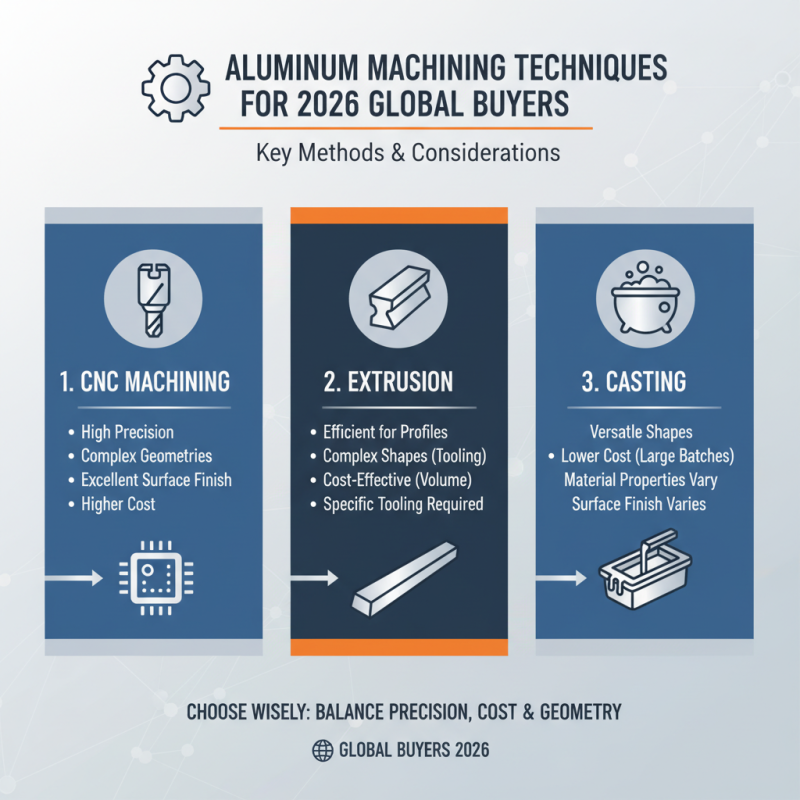
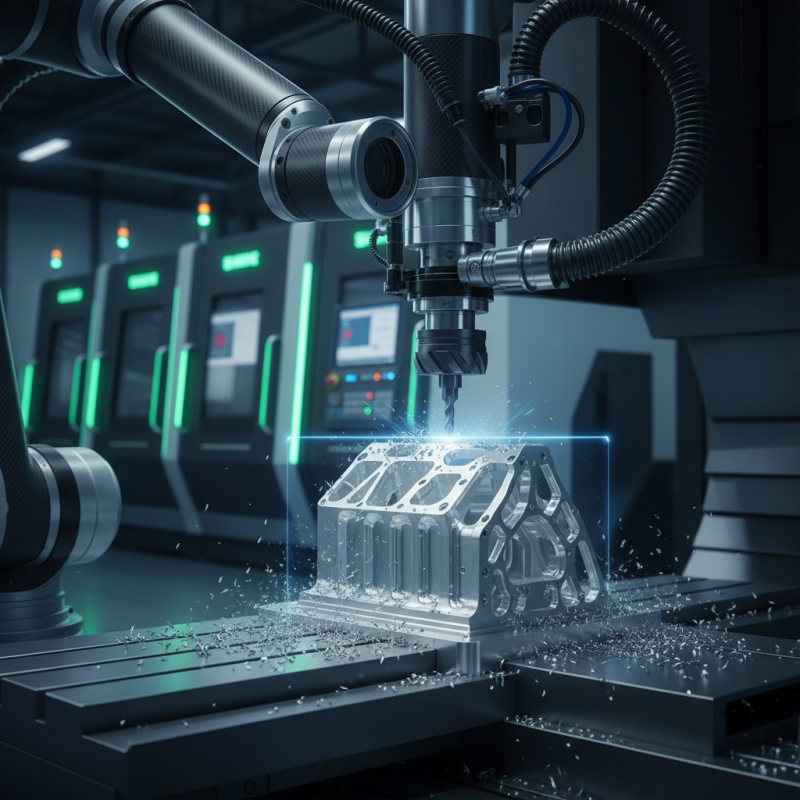
Aluminum machining techniques are evolving rapidly. As buyers in 2026, understanding these techniques is crucial. Various methods are available, including CNC machining, extrusion, and casting. Each technique has its unique benefits and challenges. CNC machining offers precision but can be costly. Extrusion is efficient for creating complex shapes, yet it requires specific tooling.
Machining aluminum also involves understanding tool materials. High-speed steel and carbide tools have distinct advantages in durability and efficiency. Temperature control during machining is another critical factor. Excess heat can lead to tool wear and reduced accuracy. Buyers should seek suppliers who prioritize thermal management in their processes.
Despite advancements, not all machining techniques yield flawless results. Microscopic flaws can occur, which may compromise integrity. This unpredictability suggests the need for rigorous quality checks. Accepting imperfections is part of the learning curve in aluminum machining. Being aware of these factors helps buyers make informed decisions.
Key Factors Influencing Aluminum Machining Choices in 2026
In 2026, the landscape of aluminum machining is shaped by several critical factors. Buyers prioritize precision and efficiency. The method of machining directly affects the quality of the finished product. Companies are investing in advanced technologies like CNC (Computer Numerical Control) machines. These machines offer greater accuracy, reducing waste and improving turnaround times.
Cost-effectiveness remains a vital consideration. Many manufacturers seek a balance between quality and affordability. This often leads to scrutiny of machining processes. Some techniques may appear less costly upfront, but lead to higher operational costs later. It's essential to weigh these factors before making final choices.
Sustainability is gaining traction as a key influence. Environmental impact affects purchasing decisions. Buyers are increasingly favoring companies that adopt eco-friendly practices. Techniques that reduce waste and energy consumption are more attractive. The push for sustainability may lead some to rethink their traditional machining methods. This shift can challenge long-standing habits, requiring reflection and adaptation in an evolving industry.
Top Advanced Machinery for Aluminum Machining: A 2026 Perspective
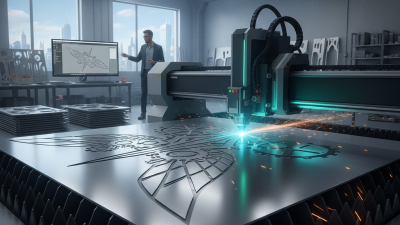
In 2026, advanced machinery for aluminum machining is shaping the industry landscape. Key technologies such as CNC machines and laser cutting systems are pivotal. According to the latest market data, the global aluminum machining market is projected to grow by 4.5% annually, driven by increased demand for lightweight materials in automotive and aerospace sectors.
CNC machines are becoming faster and more precise. They enhance efficiency in production settings. A report by industry analysts highlights that 75% of manufacturers consider precision pivotal in their operations. Moreover, laser cutting technologies offer increased flexibility, reducing waste during machining processes. However, the initial costs of such advanced machinery can be a barrier for smaller businesses.
While these technologies bring significant advantages, challenges remain. Training workers to operate new machinery is crucial. A survey indicates that 60% of employers find this training process challenging. Additionally, maintenance of advanced equipment requires skilled technicians. This skill gap may hinder some manufacturers from fully leveraging new technologies. The industry must address these concerns to maximize the benefits of advanced aluminum machining techniques.
Cost-Effective Aluminum Machining Methods for Global Buyers in 2026
Aluminum machining is a crucial process for various industries. In 2026, global buyers face rising costs, pushing for cost-effective solutions. Understanding effective methods can lead to significant savings and improved efficiency.
One popular approach is CNC machining. This technique offers precision and versatility without breaking the bank. However, rigid setups can limit flexibility. Choosing the right tooling can mitigate this issue, enhancing overall productivity. Another method worth considering is the use of laser cutting. It allows for intricate designs and reduced material waste. Yet, maintenance costs can be high, requiring careful budgeting.
Investing in trained personnel brings long-term value. Skilled operators can optimize workflows and reduce errors. This aspect often gets overlooked. Companies may prioritize cost over quality, but this can lead to greater losses. Balancing affordability with expertise is vital. Each method has its ups and downs. Continuous evaluation ensures the best choice for your needs.
Future Trends in Aluminum Machining Technology and Techniques
As we look to the future, aluminum machining technology is evolving rapidly. New methods are emerging to enhance precision and efficiency. Industry experts predict a rise in automation in machining processes. This will significantly reduce human error and increase output. The integration of Artificial Intelligence is transforming how machining tools are operated and monitored.
Sustainability is also becoming a focal point. Many manufacturers are exploring eco-friendly materials and processes. This shift is crucial as global emphasis on environmental responsibility grows. However, not all innovations are perfect. Some advanced techniques may come with high initial costs, challenging smaller businesses.
Cutting-edge technologies, like additive manufacturing, show promise but require time to refine. The learning curve can be steep. Companies must invest in training their workforce to leverage these innovations effectively. The potential benefits are immense, yet the path is not without obstacles. Continuous improvement and adaptation remain essential for success in the aluminum machining industry.
2026 Best Aluminum Machining Techniques for Global Buyers
| Machining Technique |
Description |
Advantages |
Future Trends |
| CNC Machining |
Computer-controlled machining for precision and efficiency. |
High accuracy, automation, and repeatability. |
Increased integration with AI for optimization. |
| Laser Cutting |
Using laser technology to cut aluminum sheets. |
Clean cuts, minimal waste, and flexibility. |
Advancements in speed and energy efficiency. |
| 3D Printing |
Additive manufacturing for complex geometries. |
Customization and reduced material waste. |
Increased use of lightweight materials and hybrid methods. |
| Waterjet Cutting |
Utilizing high-pressure water jets for cutting. |
No heat affected zone, suitable for thick materials. |
Integration with automation and robotic systems. |
| EDM (Electrical Discharge Machining) |
Using electrical discharges to remove material. |
Precision for hard materials and complex shapes. |
Emerging technologies for faster processing times. |