Top CNC Cutting Techniques for Efficient Global Sourcing?
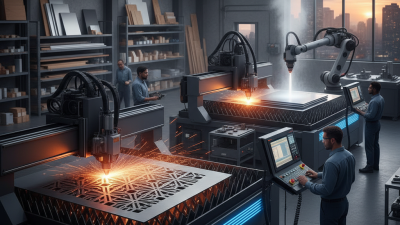
CNC cutting has emerged as a pivotal technology in modern manufacturing. According to a market research report from Fortune Business Insights, the global CNC machine market size is projected to reach $100 billion by 2026. This reflects the growing reliance on CNC cutting for precision and efficiency in production processes. Companies are increasingly adopting CNC cutting to remain competitive and meet consumer demands.
The advantages of CNC cutting include high accuracy and repeatability. A study by Technavio indicates that CNC machines can improve production efficiency by up to 30%. This efficiency is crucial for global sourcing, where costs and timelines are often tight. However, not every organization is leveraging these technologies effectively. Some still rely on traditional methods, which can lead to increased waste and longer lead times.
While CNC cutting offers numerous benefits, it is not without challenges. The initial investment can be significant. Additionally, the learning curve for operators can hinder implementation. Organizations must weigh these factors carefully to fully realize the potential of CNC cutting in their sourcing strategies. As the industry evolves, staying informed and adaptable is essential for success.
CNC Cutting Techniques Overview for Global Sourcing
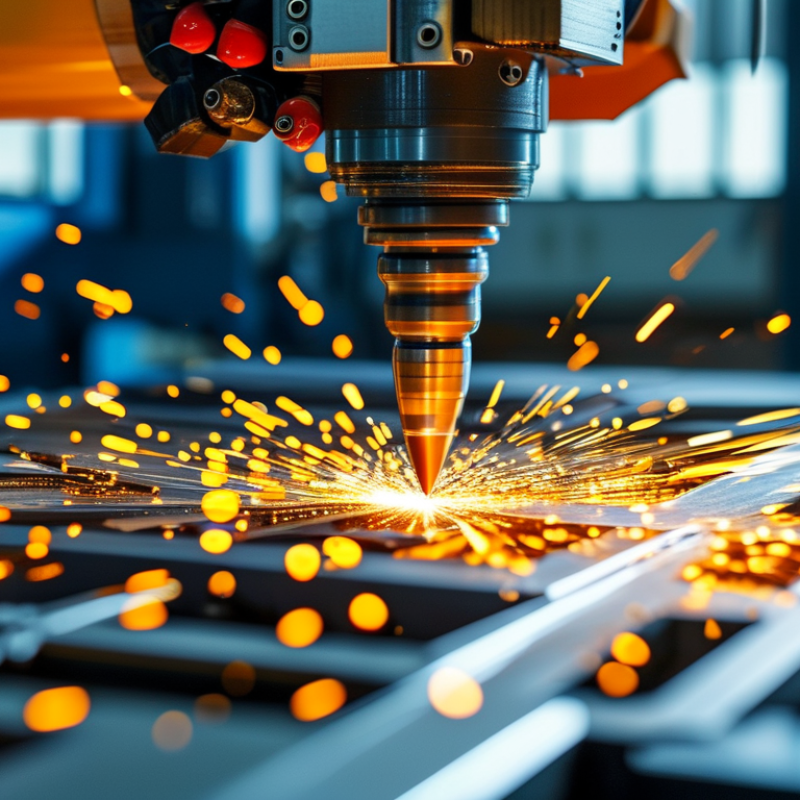
CNC cutting techniques are essential for efficient global sourcing. They offer precision and speed in manufacturing processes. Understanding these methods helps businesses optimize their production strategy.
Key techniques include laser cutting, plasma cutting, and waterjet cutting. Each method has unique advantages tailored to specific materials and project requirements.
Laser cutting provides clean edges and high accuracy, ideal for intricate designs. Plasma cutting is effective for thicker materials but may leave rough edges. Waterjet cutting, on the other hand, does not introduce heat, making it suitable for materials sensitive to heat distortion. Businesses must carefully choose the right technique based on their needs to ensure quality results.
When sourcing globally, it’s crucial to evaluate the capabilities of suppliers. Consider factors like technology, expertise, and material compatibility. It's helpful to request samples to assess quality before large orders. Reflect on potential challenges, such as communication gaps and time zone differences. These factors can impact overall efficiency and costs. By understanding these cutting techniques and carefully selecting partners, businesses can enhance their sourcing strategies significantly.
Key Factors Influencing CNC Cutting Efficiency
CNC cutting efficiency is influenced by several critical factors. The choice of machinery plays a significant role.
High-quality machines can handle diverse materials with precision, reducing errors. However, the operational environment
is equally important. A clean workspace minimizes contamination, which can affect cutting quality. Employees must also operate
these machines with sufficient training to ensure effectiveness.
Material selection can dramatically impact the overall process. Different materials react differently to CNC techniques.
Some may require specific tools or settings for optimal results. Understanding these nuances is crucial for success.
Sourcing materials locally can speed up the process, but may limit options. A balance between quality and availability
is essential.
Furthermore, the design of the product influences CNC performance. Complex designs can increase machining time and waste.
Designers should collaborate with engineers to create feasible, efficient plans. There's always room for improvement.
Continuous analysis of past projects can help identify inefficiencies and optimize future processes. This reflection can
lead to more streamlined operations in global sourcing.
Popular CNC Cutting Methods: A Comparative Analysis
CNC cutting methods vary widely in efficiency and precision. Three popular techniques include laser cutting, waterjet cutting, and plasma cutting. Each method has its pros and cons. Laser cutting offers high precision and is ideal for thin materials. A report by MarketsandMarkets indicates that laser cutting can achieve tolerances as tight as ±0.01 mm. In contrast, waterjet cutting is more versatile and can work with thicker materials without thermal distortion. The global waterjet cutting market is projected to grow by 7.2% annually, reflecting its increasing popularity.
Plasma cutting is another significant method, especially for conductive metals. It's fast and cost-effective, but the quality can vary. While it can cut through thick metal quickly, the edges may require additional finishing. Experts suggest that while plasma cutting can increase productivity, it often lacks the precision of laser cutting. About 25% of companies report needing secondary processes after plasma cutting, which can impact overall efficiency.
Choosing the right technique depends on specific material and production needs. The growing trend towards automation and advanced CNC technologies adds complexity. Performance data reflects that, despite advancements, many users struggle with optimizing their CNC cutting operations. Continuous evaluation of these methods is essential for improving production quality and cost-effectiveness.
Top CNC Cutting Techniques for Efficient Global Sourcing
| CNC Cutting Method |
Material Compatibility |
Precision (mm) |
Speed (m/min) |
Cost Efficiency |
| Laser Cutting |
Metal, Plastic, Wood |
0.1 |
20-200 |
High |
| Plasma Cutting |
Metal |
1.0 |
30-300 |
Medium |
| Water Jet Cutting |
Metal, Glass, Stone |
0.5 |
10-20 |
High |
| Router Cutting |
Wood, Plastic |
0.2 |
10-50 |
Medium |
| Oxyfuel Cutting |
Steel, Cast Iron |
2.0 |
40-150 |
Low |
Best Practices for Selecting CNC Cutting Suppliers Globally
When selecting CNC cutting suppliers globally, assessing their experience is crucial. Look for vendors with years of expertise in the industry. Their project history can reveal much about their reliability. An experienced supplier often has refined processes and quality control measures. This helps avoid costly mistakes during production.
Communication is key. Establish clear channels with potential suppliers. Discuss your specific needs upfront. Ask about their capabilities and turnaround times. Pay attention to their reactions. A collaborative attitude often indicates a willingness to address issues proactively. Visiting their facilities, when possible, can provide insight into their operations.
Do not overlook certifications and standards. Ensure that suppliers adhere to industry regulations. This guarantees a baseline quality that can prevent setbacks. Additionally, consider their supply chain practices. A transparent and efficient sourcing process can enhance overall productivity. Reflect on the balance between cost and quality. Sometimes, prioritizing the cheapest option may lead to unexpected challenges. Always weigh your choices carefully.
Future Trends in CNC Cutting Technologies and Global Sourcing
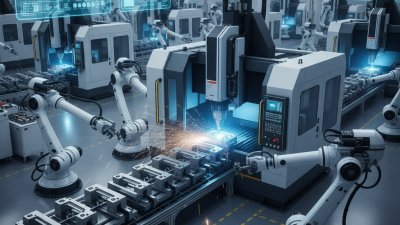
The CNC cutting industry is rapidly evolving, driven by advancements in technology and increasing global demands. Future trends indicate a shift towards automation and smart manufacturing. According to a report by Mordor Intelligence, the global CNC machine market is expected to reach around USD 100 billion by 2026, growing at a CAGR of 6.75%. This growth highlights the importance of CNC cutting technologies in enhancing manufacturing efficiency and global sourcing strategies.
One key area of focus is the integration of AI and machine learning into CNC systems. By leveraging these technologies, manufacturers can optimize their cutting processes, reduce operational costs, and minimize waste. Enhanced predictive maintenance techniques can further improve machine uptime. A recent study by Market Research Future noted that predictive maintenance can reduce downtime by up to 30%, significantly impacting production efficiency.
However, challenges remain. Addressing supply chain disruptions and ensuring reliable sourcing of materials is crucial. As global sourcing becomes more intricate, manufacturers must remain adaptable. The push for sustainability and environmentally friendly practices also complicates sourcing strategies. Data from a Deloitte report illustrates that 64% of manufacturers are prioritizing sustainability in their sourcing decisions. Balancing efficiency with environmental responsibility will be essential for future competitiveness in the CNC cutting market.