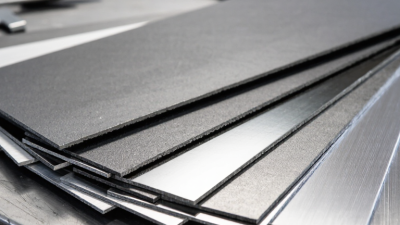
| Alloy and Grade |
Select the alloy according to strength, corrosion resistance, formability, welding, and machining requirements. |
3003: good formability and general corrosion resistance; 5052: stronger, highly formable, and suitable for marine or outdoor applications; 5083: high strength and excellent seawater resistance; 6061: heat-treatable and suitable for structural or machined parts; 1050: high electrical conductivity and excellent formability. |
Using the wrong alloy can cause cracking during forming, inadequate strength, poor weld performance, or unnecessary material cost. |
Request the material test certificate, alloy designation, applicable standard, and heat or lot traceability. |
| Temper |
Specify the temper required for forming, strength, and dimensional stability. |
O indicates annealed material with high formability; H tempers are strain-hardened; T tempers are thermally treated. Exact properties depend on alloy and temper combination. |
The same alloy can have substantially different hardness, yield strength, elongation, and bending behavior in different tempers. |
Confirm the temper on the quotation, packing list, certificate, and product markings. |
| Thickness |
Define nominal thickness and the acceptable thickness tolerance. |
Common sheet thicknesses include approximately 0.5–6 mm; material above this range is often classified as plate, depending on the applicable standard and market practice. |
Thickness affects weight, stiffness, forming force, heat transfer, cutting cost, and compliance with drawing requirements. |
Ask which dimensional standard applies and how thickness is measured, including the permitted tolerance range. |
| Sheet Size |
Specify width, length, grain direction if applicable, and maximum usable area. |
Common commercial sizes include widths around 1,000, 1,220, and 1,500 mm and lengths around 2,000, 2,440, and 3,000 mm; availability varies by alloy, thickness, and mill capability. |
Correct sheet dimensions improve nesting efficiency and reduce scrap, cutting time, and freight volume. |
Confirm maximum available size, cut-to-size capability, squareness, flatness, and size tolerance. |
| Surface Finish |
Define whether the sheet will be mill finish, brushed, anodized, painted, embossed, or protected with film. |
Mill finish is the standard as-rolled surface; anodizing improves appearance and surface durability; protective polyethylene film is commonly used to reduce handling scratches. |
Surface requirements influence appearance, corrosion performance, downstream finishing, inspection criteria, and price. |
Request surface samples, film specifications, allowable scratches or dents, and inspection lighting requirements. |
| Flatness and Shape |
Set limits for flatness, waviness, edge wave, bow, and twist. |
Flatness limits vary with alloy, temper, thickness, width, and the governing product standard; tighter limits may require leveling or precision processing. |
Poor flatness can affect laser cutting, CNC machining, assembly fit, welding, and automated feeding. |
Define the measurement method, inspection surface, sampling frequency, and acceptance criteria before ordering. |
| Mechanical Properties |
Specify minimum tensile strength, yield strength, elongation, hardness, or load-bearing performance where required. |
Mechanical properties are controlled by alloy, temper, thickness, and applicable product standard. They must be verified from the certificate rather than assumed from alloy name alone. |
Verified properties help ensure safe forming, structural performance, and consistent production results. |
Require a certificate showing test results and the relevant testing standard, such as tensile testing requirements specified by the purchase specification. |
| Forming and Bending |
Define bend angle, inside radius, bend direction, tooling, and the number of forming operations. |
Soft O-temper material generally permits tighter bends than strain-hardened or heat-treated tempers. The required bend radius depends on alloy, temper, thickness, and grain direction. |
Bend specifications reduce cracking, springback, distortion, and rework during fabrication. |
Ask for forming recommendations, trial samples, and confirmation of grain direction when it affects the design. |
| Welding and Joining |
Identify the joining method, filler compatibility, joint design, and post-weld requirements. |
Common aluminum joining methods include MIG, TIG, riveting, and mechanical fastening. Weldability varies by alloy, and heat-treated alloys may lose strength in the heat-affected zone. |
Joining behavior affects joint strength, distortion, corrosion resistance, and production speed. |
Confirm welding guidance, recommended filler materials, surface preparation, and available weld procedure support. |
| Cutting and Fabrication |
Define cutting method, part tolerances, burr limits, hole requirements, and edge condition. |
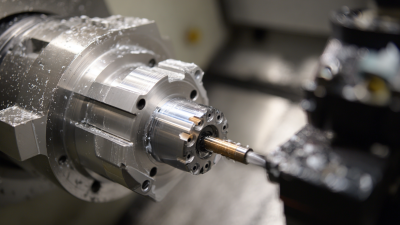
Aluminum sheet can commonly be processed by shearing, sawing, punching, laser cutting, waterjet cutting, and CNC machining, subject to alloy and thickness. |
The processing method influences heat-affected areas, burrs, edge quality, dimensional accuracy, and total cost. |
Review sample parts, process capability data, inspection reports, and secondary deburring or finishing options. |
| Corrosion and Environment |
Define exposure to moisture, salt spray, chemicals, temperature changes, and outdoor conditions. |
Aluminum naturally forms a thin protective oxide layer. Marine exposure, galvanic contact, chloride environments, and chemical exposure may require alloy selection, coating, insulation, or additional protection. |
Environmental compatibility affects service life, maintenance, appearance, and joint reliability. |
Request corrosion data relevant to the application and confirm compatibility with fasteners, coatings, and adjacent metals. |
| Applicable Standards |
State the required material, dimensional, testing, and delivery standards. |
Common references include ASTM B209 for aluminum and aluminum-alloy sheet and plate, EN 485 for wrought aluminum and alloy sheet, strip, and plate, and ISO 9001 for quality-management systems. |
A clearly defined standard establishes consistent requirements for chemistry, properties, dimensions, testing, and documentation. |
Check whether the supplier can provide current certificates and produce material to the exact revision specified in the purchase order. |
| Quality Documentation |
Define required certificates, inspection records, traceability, and nonconformance procedures. |
Typical documentation includes a material test certificate, dimensional inspection report, certificate of conformity, packing list, and lot or heat identification. |
Complete documentation supports audits, incoming inspection, warranty control, and product traceability. |
Confirm document format, language, issuing laboratory or mill, retention period, and correction process for discrepancies. |
| Order Quantity and MOQ |
Define trial quantity, recurring volume, annual demand, and acceptable overage. |
Minimum order quantities vary by alloy, thickness, finish, custom size, and whether the supplier holds stock or produces to order. |
Quantity planning influences unit price, production scheduling, inventory cost, and material availability. |
Request price breaks, sample-order terms, stock availability, safety-stock options, and lead-time commitments for repeat orders. |
| Lead Time |
Set quotation, sample, production, inspection, and delivery deadlines. |
Stock material can normally be supplied faster than non-standard alloys, custom sizes, special finishes, or made-to-order temper conditions. |
Reliable lead times protect production schedules and reduce the need for emergency purchases. |
Ask for a written lead-time range, production milestones, shipment schedule, and escalation procedure for delays. |
| Packaging and Transportation |
Define moisture protection, edge protection, stacking, labeling, and delivery conditions. |
Aluminum sheets should be protected from abrasion, contamination, and trapped moisture during storage and transportation. Packaging may include separators, edge guards, wrapping, pallets, or crates. |
Proper packaging reduces scratches, dents, staining, edge damage, and handling-related claims. |
Approve packaging samples, define labeling requirements, and agree on responsibility for freight damage and inspection at receipt. |
| Price Structure |
Compare material price, processing charges, packaging, freight, taxes, tooling, and payment terms. |
Aluminum pricing is commonly influenced by alloy, thickness, quantity, market conditions, processing, surface treatment, and delivery location. |
A complete cost comparison prevents a low material price from being offset by hidden processing or logistics charges. |
Request an itemized quotation with validity period, price-adjustment conditions, currency, Incoterms, and payment terms. |
| Supplier Capability |
Evaluate production equipment, inspection capability, technical support, capacity, and supply continuity. |
Relevant capabilities may include leveling, slitting, shearing, CNC cutting, forming, surface treatment, laboratory testing, and digital lot traceability. |
A supplier with suitable in-house or controlled partner processes can reduce handoffs, variation, and delivery risk. |
Use a supplier questionnaire, process audit, sample approval, quality agreement, and periodic performance review. |
| Approval Criteria |
Create measurable pass/fail criteria before comparing quotations. |
Recommended criteria include alloy and temper compliance, dimensional accuracy, surface quality, documentation completeness, delivery reliability, total cost, and response time. |
A weighted evaluation avoids choosing solely on price and makes supplier decisions easier to justify. |
Score each supplier against the same requirements and retain approved samples, inspection results, and signed specifications. |