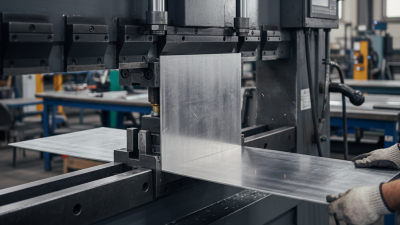
Choosing aluminum sheet metal is not just a matter of picking a thickness and placing an order. The right sheet must suit the job, the forming process, and the conditions it will face. A panel for a dry indoor enclosure has different needs from one exposed to moisture, vibration, or frequent cleaning. Small details matter.
Metallurgist J. Gilbert Kaufman has written extensively about aluminum alloys. A practical buying principle drawn from his work can be put this way: “Match the alloy and temper to the job, not just to the price.” This is a paraphrase, not a verified verbatim quotation. It captures a useful point: alloy, temper, thickness, and finish work together. A bright surface may look right under warehouse lights, yet show scratches after handling. And a sheet that bends easily may not provide the stiffness a finished part needs.
This guide’s ten tips help buyers check those trade-offs before ordering. They cover alloy selection, temper, gauge, dimensions, surface condition, tolerances, fabrication needs, supplier documentation, and total cost. Ask how the sheet will be cut and formed. Confirm the usable dimensions, not only the nominal size. Request material details when performance matters. A certificate helps, but it does not replace checking the delivered sheet. That distinction is easy to overlook. It can be, too, when a deadline is close. No single grade suits every project, and a low quote can hide costly rework. Compare the details, then choose with the finished part in mind.
10 Tips for Buying Aluminum Sheet Metal
Define the Sheet’s Intended Use and Performance Requirements
Start with the job. A kitchen splashback, a vibrating equipment enclosure, and an outdoor sign need different sheet properties. Write down the loads, forming steps, exposure, finish, and target service life before comparing prices. Not appearance alone. A sheet that bends neatly in the shop may dent too easily in service. One that is strong enough may crack during a tight bend.
Then match alloy and temper to the real demands. The Aluminum Association’s Aluminum Standards and Data lists minimum tensile strengths of about 228 MPa for 5052-H32 and 290 MPa for 6061-T6 sheet; actual values depend on thickness and specification. That gap matters for load-bearing parts, but strength is not the whole story. For deep forming or frequent bending, ductility and bend radius may matter more. ASTM B209/B209M sets requirements for aluminum-alloy sheet, including mechanical properties and dimensions, so check the specified alloy, temper, and thickness against the order. A useful detail to record is the finished part’s tightest bend, not just its overall shape. It is easy to over-specify strength, then discover the chosen temper is awkward to form. Ask the supplier for a test certificate, and verify that it matches the material received.
Choosing an aluminum alloy and temper is not a minor specification detail. It affects how the sheet bends, holds its shape, and resists corrosion. For general forming and light-duty parts, 3003 is often a practical option because it bends readily. For outdoor or marine-adjacent use, 5052 offers stronger corrosion resistance and good formability. When strength matters more than tight bends, 6061 may fit, but its T6 temper can crack if formed too sharply.
Check the temper, too. The alloy number alone does not tell you how a sheet will behave. H14 and H32 tempers are common choices for formed parts, while T6 is heat-treated for strength. Ask the supplier for the exact alloy, temper, thickness, and applicable material documentation; a label such as “aluminum sheet” is not enough. Match the choice to your actual process, including bend radius and whether the sheet will be cut, welded, or fastened. Small detail, big difference. A temper chart helps, but it cannot guarantee a clean bend in every setup. Test a sample when the part is costly or the bend is tight. People sometimes over-focus on strength and overlook formability; it is an easy mistake to make, and worth checking before ordering.
Thickness affects strength, weight, flexibility, and forming cost. Do not rely on gauge alone; gauge values can vary between systems. Specify the required thickness in inches or millimeters, along with the alloy and temper. Allow for the finished part, not just the flat blank. Bends and machining can change what dimensions you need. Thin sheet dents easily.
Match the sheet size to your cutting plan. Measure the finished part, then account for kerf, edge trimming, and any material needed to hold the work securely. Ordering a little extra can help when cutting several parts, but excessive offcuts add cost. Check grain direction if the part will be bent; it can affect bend quality. This detail is easy to overlook.
Write tolerances beside the dimensions they control. Ask the supplier which tolerances apply to thickness, length, width, and flatness. These limits may depend on alloy, temper, sheet size, and processing method. Overly tight tolerances can raise costs without improving how the part works. It is tempting to assume every sheet arrives perfectly flat; that is not always realistic. For a close-fitting assembly, request a sample cut and check it with calipers before ordering a full batch.
| Tip | Buying decision | Useful reference | What to specify or verify |
|---|---|---|---|
| 1 | Match thickness to the application | Common sheet thicknesses include 0.020 in (0.51 mm), 0.032 in (0.81 mm), 0.040 in (1.02 mm), and 0.063 in (1.60 mm). | Choose thickness based on load, forming method, stiffness, and weight. Treat these as commonly available examples, not a substitute for engineering calculations. |
| 2 | Check the actual thickness tolerance | Permitted thickness variation depends on factors such as alloy, temper, thickness, width, and the governing product specification. | State the required nominal thickness and applicable standard on the purchase order. Ask the supplier to confirm the permitted minimum and maximum thickness for the exact product. |
| 3 | Confirm sheet width and length | Commercial stock dimensions vary by supplier, alloy, thickness, and region; common widths and lengths are not guaranteed for every item. | Give finished or required blank dimensions, quantity, and whether the dimensions are fixed or can be cut from larger stock. Include any cut-size tolerance. |
| 4 | Select an alloy for the job | 3003 is commonly selected for general forming; 5052 is often used where higher strength and good corrosion resistance are needed; 6061 is stronger but generally less formable than 3003 or 5052. | Compare strength, corrosion exposure, forming needs, joining method, and availability. Confirm suitability with the design requirements rather than choosing by alloy number alone. |
| 5 | Specify the temper | Temper designations such as H14, H32, and T6 describe different processing and mechanical-property conditions; they are not interchangeable. | Order the alloy and temper together (for example, 5052-H32) and check that the combination meets the required forming and strength requirements. |
| 6 | Allow for bending and forming | Minimum bend radius depends on alloy, temper, thickness, bend direction, and tooling. Harder tempers can require larger bend radii. | Share the bend angle, inside radius, grain direction if relevant, and forming process. Validate the proposed material with a bend test or supplier guidance for critical parts. |
| 7 | Define flatness and shape requirements | Flatness, bow, camber, and edge condition can affect fit and fabrication; acceptable limits depend on the product specification and intended use. | Call out measurable flatness or shape limits when the part requires them. Do not assume that a standard sheet will meet an unstated precision requirement. |
| 8 | Choose the surface finish | Mill finish is a common as-produced surface. Protective film, anodizing, painting, or other finishes may require additional processing and handling controls. | Specify the required appearance, finish, side to be exposed, film or masking needs, and acceptable scratches or dents. Confirm whether finish is included in the quoted product. |
| 9 | Check cut edges and dimensional tolerances | Shearing, sawing, and laser cutting can produce different edge conditions and dimensional results. Cutting may also affect burrs and heat-affected areas. | Identify the cutting method if important, the required finished dimensions, allowable burrs, and whether edges need deburring. Request tolerances for the chosen process. |
| 10 | Verify documentation and packaging | Material identification and traceability documentation can help confirm alloy, temper, and applicable test or inspection records. | Specify required certificates or inspection records, label details, quantity, and packaging protection. Check that the delivered material is marked and protected for storage and transport. |
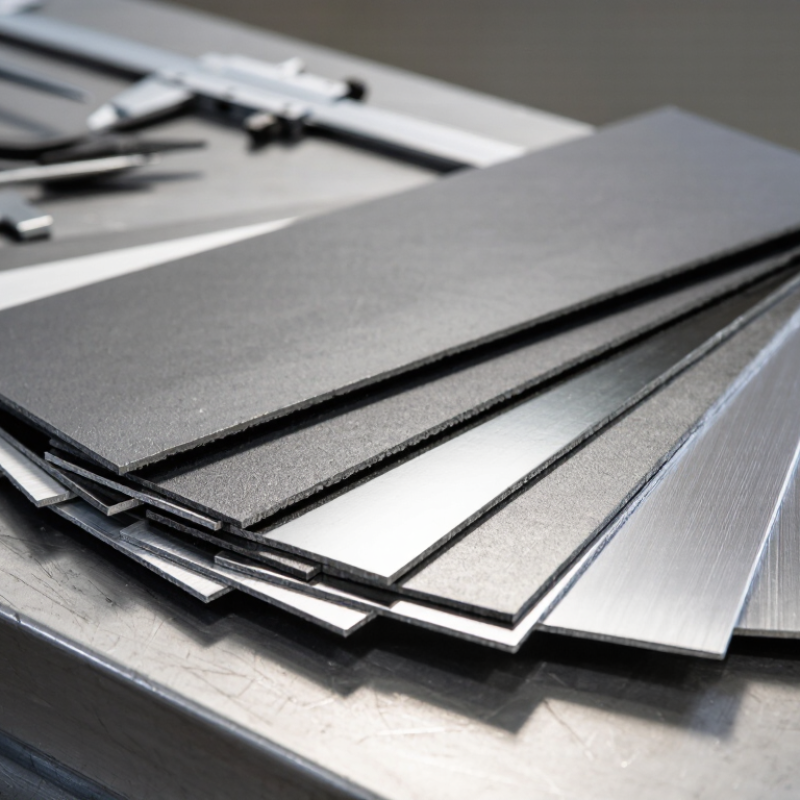
A clean-looking aluminum sheet is not automatically a consistent one. Inspect it under bright, angled light, where scratches, dents, stains, and uneven sheen become easier to spot. Check both sides and the edges.
Look for waviness by laying the sheet on a flat surface, but remember that handling can affect the result. Small marks may be acceptable for a hidden panel; they can stand out on a visible finish.
Define acceptable surface conditions before ordering.
Ask which quality standards apply to the alloy, temper, dimensions, and intended use. Requirements vary, so confirm the exact specification rather than relying on a general claim of “high quality.”
Request documents that identify the material grade, thickness, tolerances, and inspection results. Certificates should match the delivered batch, not just describe a similar product. Check heat or lot numbers where available.
Keep the paperwork. It matters later. A certificate cannot reveal every surface flaw, so inspect samples when appearance is critical.
Protective film can hide defects, and removing it may not be practical during a quick receiving check. That is easy to overlook.
Record any mismatch between the sheet and its documents, and ask for clarification before fabrication begins.
When comparing aluminum sheet suppliers, match the specifications before comparing prices. Confirm alloy, temper, thickness, sheet dimensions, and acceptable tolerances. A quote for 5052 sheet is not directly comparable to one for 6061. Ask whether the price includes cutting, protective film, and material documentation. Small details matter. A narrow thickness tolerance may cost more, but it can reduce fitting problems during fabrication.
Request a written breakdown of material, processing, packaging, and freight charges. Check minimum order quantities and whether offcuts are billed. A low unit price can lose its appeal once a crate charge or cutting fee appears. Compare delivery conditions too: production lead time, dispatch date, carrier, and unloading requirements should be clear. Ask how sheets are protected against scratches and moisture. Corner guards and stable pallet packing are practical signs of careful handling, though they do not guarantee damage-free arrival.
Compare like with like, then weigh cost against consistency and service. Ask suppliers how they handle shortages, incorrect dimensions, or transit damage, and get the process in writing. If the job has a firm deadline, request a realistic delivery window rather than relying on “ships soon.” I would not choose on price alone. Still, the most detailed quote is not always the best one; confirm that its specifications match the shop’s actual needs.