Top CNC Laser Cutter Options for Efficient Manufacturing?
In the rapidly evolving world of manufacturing, the CNC laser cutter stands out as a powerful tool. Experts in the field emphasize its significance. John Smith, a leading authority in CNC technology, once said, "A great CNC laser cutter transforms ideas into reality with precision and speed." His insight highlights the essential role of this equipment.
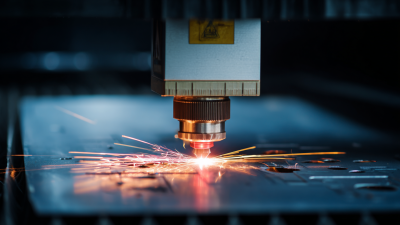
Manufacturers rely heavily on CNC laser cutters. These machines enhance efficiency and accuracy in various applications. Whether cutting, engraving, or marking, they deliver precision that traditional methods can't match. With continuous advancements, these tools adapt to the ever-changing needs of the industry.
Yet, choosing the right CNC laser cutter can be daunting. There are countless options on the market. Each machine offers unique features and capabilities. It's important for manufacturers to reflect on their specific requirements. Investing in the right technology is crucial for long-term success. Ultimately, understanding the nuances of CNC laser cutters can lead to better decision-making and improved manufacturing outcomes.
Top CNC Laser Cutter Options for Efficient Manufacturing
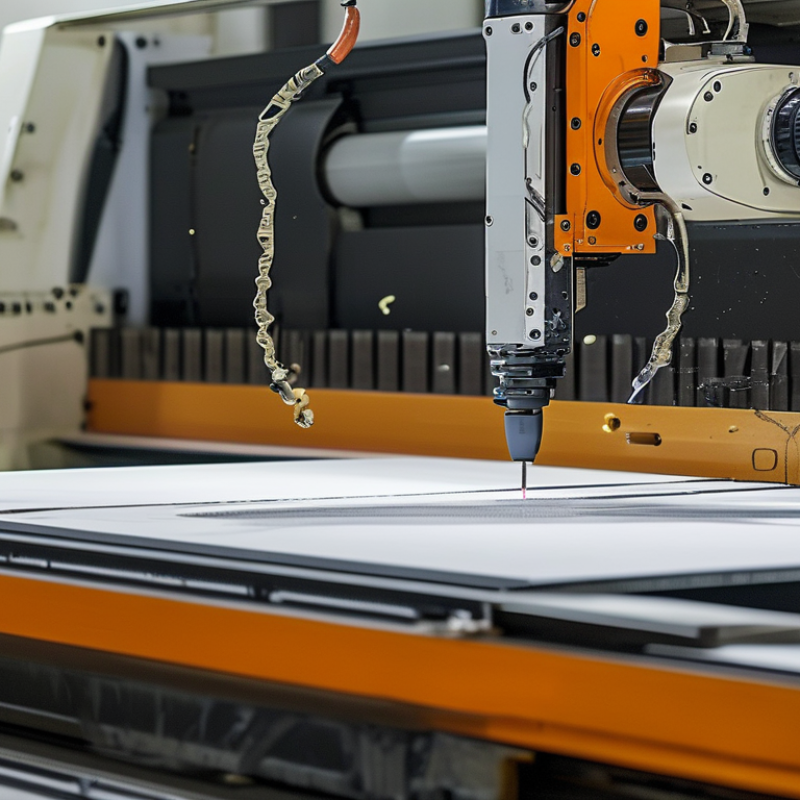
CNC laser cutters have transformed the manufacturing landscape significantly. They offer precision, speed, and versatility, making them ideal for various applications. However, choosing the right machine involves understanding your specific needs. Laser power, bed size, and cutting speed are essential factors to consider. A higher wattage allows for thicker materials, while a larger bed size accommodates larger sheets.
Another essential aspect is the software compatibility. User-friendly software can enhance productivity significantly. Some systems have advanced features, like automatic nesting. This improves material usage and reduces waste. Regular maintenance is critical, too. Ignoring routine checks can lead to costly repairs and downtime.
Real-world performance can differ from specifications. Some machines may underperform, so it's vital to read reviews. Consulting with other manufacturers can provide valuable insights. Experiences shared can guide potential buyers. Reflections on past choices can lead to better-informed decisions in future purchases. Understanding these dynamics will support effective manufacturing practices.
Overview of CNC Laser Cutting Technology and Its Benefits
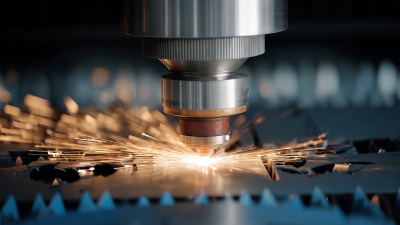
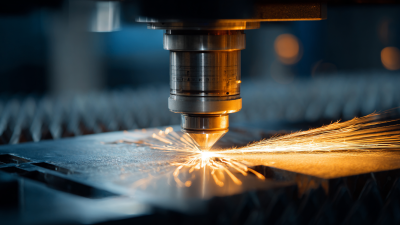
CNC laser cutting technology has transformed manufacturing. It uses focused laser beams to cut, engrave, or mark materials with precision. According to the International Laser Manufacturing Association, CNC laser cutters improve speed and accuracy by up to 50% compared to traditional methods. This speed reduces production times drastically, leading to increased output.
One significant benefit is the versatility of materials. CNC laser cutters can handle metals, plastics, wood, and even fabrics. A report by Market Research Future indicates that the demand for laser cutting in the automotive and aerospace sectors is projected to grow by over 12% annually. This highlights the technology's critical role in high-demand industries.
Despite its advantages, challenges remain. Initial investment costs can be high. Maintenance and operator training also require attention. The technology isn't suitable for every application. Understanding these limitations is crucial for companies considering the switch to CNC laser cutting. As the industry evolves, continuous refinement and adaptation will be necessary.
Top CNC Laser Cutter Options for Efficient Manufacturing
This bar chart compares various important metrics of CNC laser cutters, including speed, accuracy, power consumption, cost, and maintenance frequency. These factors are critical for evaluating the efficiency and effectiveness of CNC laser cutting technology in manufacturing processes.
Key Features to Consider When Selecting a CNC Laser Cutter
When selecting a CNC laser cutter, several key features can significantly impact manufacturing efficiency. The power of the laser is crucial. Higher wattage allows for cutting thicker materials. However, power also affects precision. A lower watt laser might be better for intricate designs. Balancing power and precision is essential.
Another important aspect is the cutting speed. This varies by machine type and material used. Faster cutting speeds can enhance productivity. Yet, speed shouldn't compromise quality. It's vital to assess the capabilities of the machine against the requirements of your projects.
User-friendly software is another feature to consider. Intuitive controls streamline the design process. Complex interfaces can slow down work. Additionally, ensure that the machine has reliable support and service. Maintenance is key to long-term operation. Regular upkeep prevents costly downtimes, which can disrupt manufacturing schedules. Evaluating these factors carefully can lead to better decision-making.
Comparison of Leading CNC Laser Cutter Brands and Models
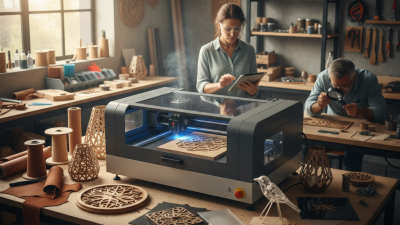
When selecting a CNC laser cutter, it's essential to compare leading brands and models for efficient manufacturing. Each brand offers unique features that cater to different needs. For instance, some machines excel in precision while others focus on speed. Industrial applications may require heavy-duty models, whereas smaller workshops might benefit from compact designs. Understanding these distinctions is crucial for optimizing production.
Tips: Look for customer reviews to gauge reliability. Online forums often discuss user experiences with specific models. This can save time and money during your selection process.
Consider the materials you will work with. Different laser cutters have varying capabilities when it comes to cutting metals, plastics, or wood. Some models are versatile, while others are specialized. It’s important to evaluate your specific requirements before making a purchase. Being aware of trade-offs can help in refining your choices.
Investing in a CNC laser cutter involves understanding both the features and your own production goals. Reflect on how each feature influences efficiency and quality. This way, you will ensure that the machine fits seamlessly into your manufacturing process. Adjustments and re-evaluations along the way may be necessary for continued improvement.
Applications of CNC Laser Cutters in Various Industries
CNC laser cutters have become essential in diverse industries due to their high precision and versatility. In the automotive sector, these machines create intricate parts that contribute to vehicle performance. Laser cutting ensures minimal waste and faster production times, which are crucial in an industry with tight deadlines. However, achieving consistent quality can be challenging, requiring skilled operators who can monitor the process closely.
In the fashion industry, CNC laser cutters are used to produce complex designs in fabrics. They cut patterns with high accuracy, making garments that stand out. This technology inspires creativity but may lead to skills erosion among traditional artisans. Moreover, the furniture industry benefits as well; furniture creators employ laser cutting for intricate designs that appeal to modern consumers. Yet, the reliance on machines may come at the cost of craftsmanship, sparking a debate on the balance between technology and tradition.
Conclusion
The article "Top CNC Laser Cutter Options for Efficient Manufacturing" provides a comprehensive overview of CNC laser cutting technology, highlighting its numerous benefits, such as precision and efficiency in manufacturing processes. It emphasizes the importance of selecting the right CNC laser cutter by considering key features, including cutting speed, power, and operational versatility.
Furthermore, the article compares various leading CNC laser cutter options, shedding light on their applications across diverse industries such as aerospace, automotive, and electronics. Lastly, it underscores the significance of regular maintenance practices to ensure optimal performance and longevity of CNC laser cutters, ultimately enhancing productivity in manufacturing settings.