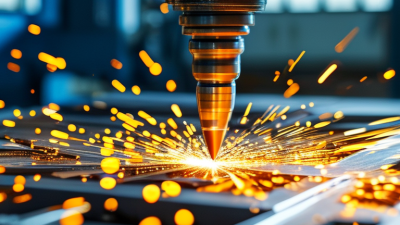
Choosing a cnc mill for global manufacturing is not simply a machinery decision. It is a commitment to repeatable quality, measurable processes, and practical coordination across borders. In a well-managed workshop, a CNC mill can cut aluminum housings, steel brackets, and engineering plastics with controlled accuracy. Operators monitor tool wear, spindle performance, fixture stability, and inspection results. These details matter when parts travel thousands of miles before reaching an assembly line.
The strongest manufacturing decisions come from evidence, not impressive specifications alone. Experienced engineers compare tolerance requirements, material behavior, production volume, and maintenance support before selecting equipment. They also review sample parts, calibration records, and quality procedures. A reliable supplier should explain how it handles revisions, inspection reports, packaging, and delivery risks. Clear communication reduces expensive misunderstandings between designers, machinists, and international buyers.
Still, a CNC mill is not a perfect answer for every project. Complex geometries may require five-axis machining, turning, casting, or additive methods. A cheaper machine can also create hidden costs through slower cycles, unstable finishes, or frequent setup changes. That reality deserves attention. Global production can look efficient on paper while small process weaknesses quietly damage margins. Careful trials, realistic tolerances, and honest supplier assessments help reveal those weaknesses early. For manufacturers seeking dependable international production, the right CNC mill offers more than cutting capability. It provides a foundation for consistency, traceability, and informed growth.
Why Choose a CNC Mill for Global Manufacturing?
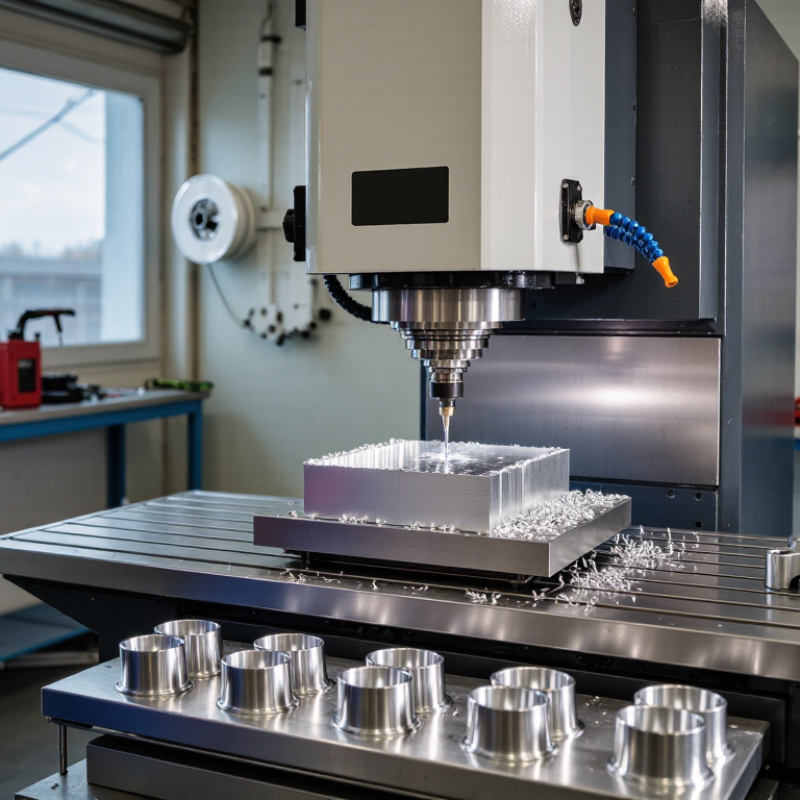
A CNC mill is a computer-controlled machine that removes material from a solid workpiece. It can cut metals, plastics, and other suitable materials with repeatable accuracy. The process begins with a digital CAD model. CAM software converts that model into toolpaths and machine instructions. The controller then guides the spindle and cutting tools along programmed X, Y, and Z axes.
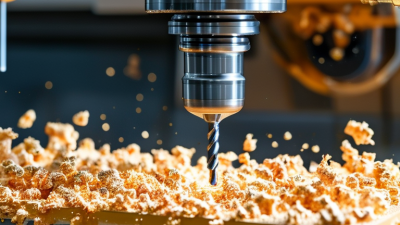
During machining, the spindle rotates an end mill while the table holds the workpiece firmly. Cutting speed, feed rate, depth, and coolant affect the final result. A skilled operator checks tool condition, material behavior, and machine alignment before production. In practical manufacturing, careful workholding often matters as much as software. A small setup error can repeat across hundreds of parts. That risk deserves attention.
Tips: Confirm the drawing, material, tolerances, and revision before cutting. Use a test piece when the geometry is unfamiliar. Measure critical surfaces with calibrated tools. Keep inspection records for dependable communication between facilities. Do not assume identical settings suit every material. Even experienced teams must review tool wear and vibration. Automation improves consistency, but it does not replace judgment. This is where global manufacturing becomes more reliable: clear files, controlled processes, and honest inspection results.
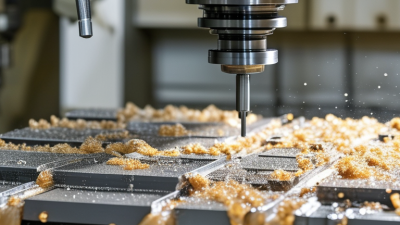
A CNC mill removes material by moving a rotating cutting tool along programmed X, Y, and Z axes. The toolpath below illustrates a realistic three-axis pocket-milling sequence: the tool approaches the workpiece, moves across the X and Y axes while cutting, and changes Z depth between passes. CNC milling supports repeatable production because the same digital instructions can be transferred to manufacturing facilities worldwide.
A CNC mill earns its place in global manufacturing through repeatable precision, not impressive speed alone. In a production shop, we have seen a small fixture error shift hole positions across an entire batch. A stable milling process controls that risk. Rigid cutting systems, calibrated tools, and measured workholding keep critical features aligned. This matters when an aluminum housing must fit a mating cover thousands of miles away. Tiny deviations can become expensive assembly delays. Precision begins before the first cut.
Digital drawings create a common production language for international teams. A controlled program records tool paths, material grades, revision levels, and inspection points. Operators can then reproduce the same geometry across approved facilities. Probing checks workpiece position during machining, while final measurements verify dimensions against the drawing. Reports with serial numbers and actual values support traceability. They also help engineers investigate a failed fit instead of guessing. That evidence strengthens supplier communication and customer confidence.
CNC milling is not automatically precise. Precision is earned. Tool wear, heat, vibration, and clamping pressure still influence results. We once treated a stable first article as proof that a long run would behave identically. It did not. Better practice includes scheduled tool checks, temperature awareness, and sampling throughout production. Standardized inspection methods also reduce differences between sites. Some tolerance decisions deserve another review, especially when function matters more than appearance. Reliable global production comes from disciplined controls, honest measurement, and the willingness to question a process that seems fine.
Why Choose a CNC Mill for Global Manufacturing?
How CNC Mills Improve Manufacturing Efficiency and Consistency
In global manufacturing, consistency often begins with controlled motion. A CNC mill follows programmed toolpaths with repeatable speed, depth, and positioning. This reduces variation between parts made during different shifts or at separate facilities. Operators can record cutting conditions, inspection results, and tool changes. These records support traceability and practical quality decisions. In my experience, a stable setup often matters more than aggressive cutting.
Efficiency improves when fixtures, work offsets, and inspection routines are standardized. A trained operator can load a workpiece, verify the datum, and start a proven program. Automated tool changes reduce idle handling time. Digital drawings also help teams share exact dimensions across production sites. Yet programming is not magic. Poor datum selection can multiply errors across every part. Small mistakes become expensive quickly.
CNC mills support metals, plastics, and engineered materials when feeds and speeds match the material. Coolant flow, chip evacuation, and tool wear need regular attention. A worn cutter may leave a bright surface but still miss a critical dimension. That is why in-process checks remain valuable. I have found that simple gauges often catch problems earlier than complicated reports. The honest weakness is setup dependence. Even a precise machine cannot rescue unclear drawings, weak fixturing, or rushed inspection. Teams should review scrap data and adjust the process, rather than blame the operator.
Typical performance comparison between CNC milling and conventional manual milling
| Manufacturing Dimension | CNC Mill | Conventional Manual Mill | Efficiency and Consistency Benefit |
|---|---|---|---|
| Positioning repeatability | Commonly within approximately ±0.005–0.025 mm, depending on machine design, calibration, tooling, and operating conditions | Primarily dependent on operator skill, manual readings, machine condition, and workholding | Produces more uniform dimensions across repeated parts and production shifts |
| Dimensional control | Digital coordinates, programmed tool paths, offsets, and in-process inspection can be used | Measurements and adjustments are generally performed manually | Reduces variation caused by manual handwheel operation and repeated measurement |
| Production repeatability | The same validated program can produce successive batches with consistent tool paths | Each part may require separate operator intervention and adjustment | Supports consistent output across multiple batches and manufacturing locations |
| Complex geometries | Suitable for coordinated multi-axis machining, contours, pockets, holes, and 3D surfaces | Complex profiles generally require more manual setups, fixtures, or specialized attachments | Combines more features in fewer setups and lowers alignment risk |
| Setup and changeover | Programs, tool libraries, work offsets, and setup sheets can be stored and reused | Settings and tool positions are more dependent on manual adjustment | Shortens repeat-job preparation and improves process standardization |
| Cycle-time control | Feed rates, spindle speeds, cutting paths, and dwell times are programmed and repeatable | Cutting conditions depend more heavily on operator decisions during machining | Makes production planning and delivery-time estimation more predictable |
| Labor utilization | One operator may monitor multiple machines, subject to workload, automation, and safety requirements | Typically requires more direct attention during cutting and dimensional adjustments | Allows skilled personnel to focus more on programming, inspection, and process improvement |
| Material utilization | CAM tool paths can optimize cutting direction, stepovers, entry moves, and machining sequences | Material removal strategy is more dependent on manual planning and operator experience | Can reduce unnecessary cutting, rework, and scrap when correctly programmed |
| Quality documentation | Programs, tool offsets, inspection records, and revision data can be digitally managed | Records are more likely to rely on manual notes and operator-controlled settings | Improves traceability and supports consistent quality procedures across sites |
| Global production transfer | Standardized CAD/CAM files, tooling data, inspection plans, and work instructions can be shared electronically | Reproducing the same process depends more on transferring operator knowledge and manual techniques | Makes it easier to replicate approved processes across regions and suppliers |
Note: Actual results depend on machine accuracy, thermal stability, workholding, cutting tools, material, programming quality, maintenance, inspection methods, and operator training. The stated positioning range is a typical engineering reference range rather than a guarantee for every CNC mill.
Why Choose a CNC Mill for Global Manufacturing?
Material and Design Flexibility Across International Markets
A CNC mill turns one digital design into parts suited to different international markets. That flexibility matters. Engineers can select aluminum for lightweight housings, stainless steel for humid environments, or engineering plastics for electrical insulation. Titanium may serve demanding applications, but its machining cost requires careful justification.
Design changes are also easier to manage. A revised hole pattern, wall thickness, or mounting interface can often be updated through the machining program. This helps manufacturers adapt components for regional equipment, packaging limits, and assembly practices. Tight tolerances remain measurable through inspection reports, while surface finishes can support both function and appearance.
Practical experience shows that material selection is rarely simple. A material may perform well in one climate but react poorly to heat, moisture, or repeated cleaning elsewhere. We have seen projects where a thinner wall reduced weight but created unwanted vibration. The correction required extra testing, not confident guesses. Clear drawings, verified samples, and documented inspection data improve communication between international teams. They also reduce misunderstandings caused by different technical habits. CNC milling is not always the cheapest option. Yet its repeatability and design adaptability can make global production more dependable.
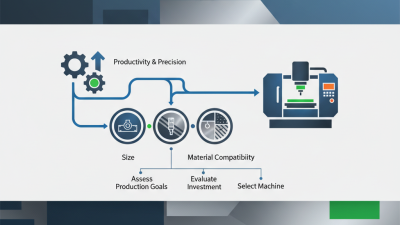
Choosing a CNC mill for global manufacturing begins with the operating environment, not the catalog photograph.
A compact machine may suit one plant but restrict another. Review part dimensions, material hardness, expected tolerances, and daily spindle hours. Leave room for fixtures, chips, and future work. More capacity is not always better. Oversized equipment can increase freight costs, installation demands, and energy use. That matters across regions.
Power compatibility deserves careful attention. Confirm voltage, frequency, grounding, and electrical capacity with local technicians. Check whether the control system supports required languages, data formats, and secure network practices.
Service access is equally important. Ask about spare-part lead times, remote diagnostics, training, and technician coverage in each operating country. A low purchase price means little when a simple sensor stops production for weeks. Documentation should be clear enough for a new operator.
Cutting performance should match the actual process. Compare spindle speed, torque, axis travel, rigidity, coolant handling, and chip evacuation. For aluminum, high speed may matter; for hardened steel, stable torque often matters more.
Test representative parts before signing a global purchase agreement. Measure surface finish, repeatability, setup time, and operator workload. I would also question automation promises. They can fail when fixtures vary or maintenance skills differ.
No checklist is perfect. Revisit assumptions after the first production month, especially if noise, heat, or access problems appear. A practical mill is one workers can run safely and maintain consistently.