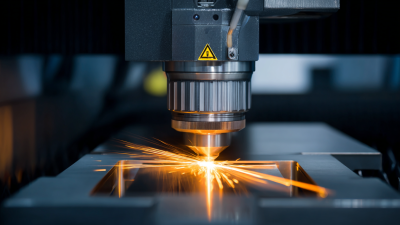
How to Choose the Best Laser Metal Cutting Machine

Choosing the right laser metal cutting machine is not simply a matter of selecting the highest wattage. A powerful source may cut thick steel quickly, yet struggle with thin stainless sheets or delicate aluminum parts. The correct choice depends on material thickness, production volume, required accuracy, cutting speed, and workshop space. A practical evaluation should include sample cutting, edge inspection, dross measurement, and a review of after-sales support.

John Powell, a respected laser-processing researcher and author of CO2 Laser Cutting, once emphasized, “The laser is only one part of the cutting process; the machine, material, and settings must work together.” This principle remains useful today. Buyers should examine the laser source, cutting head, motion system, nesting software, assist-gas controls, and maintenance requirements as one complete system. A clean 6 mm carbon-steel edge tells more than a glossy brochure. So does a stable kerf after several production hours.

Cost still matters. However, the cheapest machine can become expensive through downtime, unstable tolerances, poor technical support, or frequent lens replacement. Energy use deserves attention too. A modern fiber laser may reduce operating costs, but its return depends on workload and material mix. There is no universal winner. That is easy to forget. Some recommendations also rely too heavily on laboratory tests, while real factories face dust, vibration, operator differences, and changing orders. This guide will help compare these factors carefully, while acknowledging that the final decision may require trials, supplier verification, and a little practical skepticism.
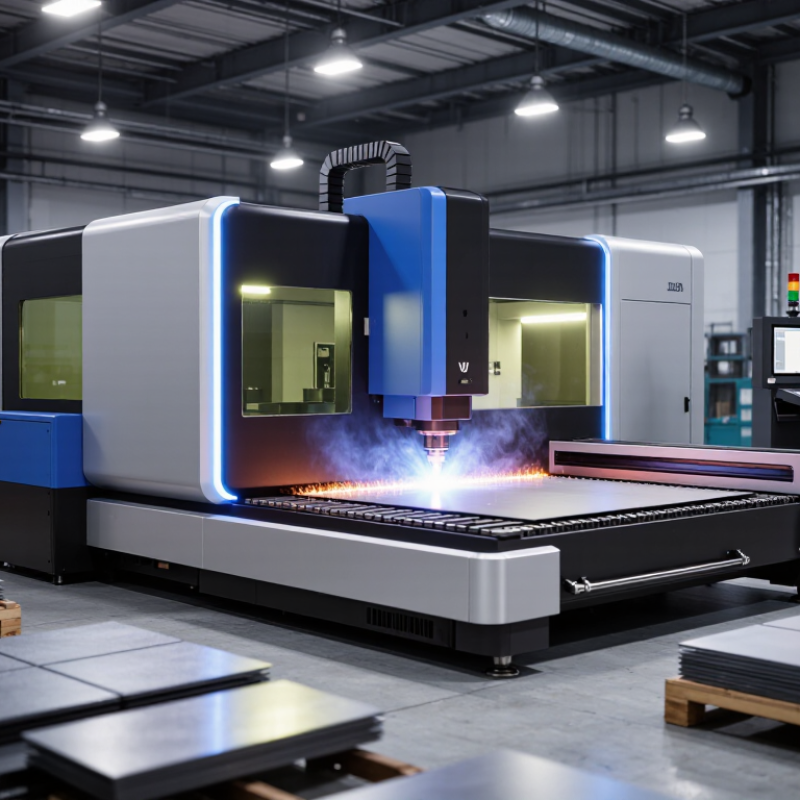
How to Choose the Best Laser Metal Cutting Machine

Define Your Metal Cutting Requirements

Choosing a laser metal cutting machine starts with a precise definition of your work, not a catalog comparison. List every metal type, thickness, and sheet size you expect to process. Include mild steel, stainless steel, aluminum, and occasional specialty alloys. Their cutting behavior can differ sharply. Record your narrowest kerf, smallest hole, and tightest dimensional tolerance. A machine rated for thick plate may perform poorly on delicate parts.

Think about production reality, not ideal samples. How many sheets must be completed per shift? Will operators load material manually, or will automation be necessary? Note your available floor space, electrical capacity, ventilation, and assist-gas supply. Cutting speed matters, but acceleration, piercing time, and repositioning also affect output. Ask for test cuts using your actual drawings and materials. Inspect edge roughness, heat marks, burrs, and hole quality under consistent conditions. Small errors become expensive during assembly.

Be honest about uncertainty. Your forecast may be wrong. Leave room for new materials or larger orders, but avoid paying for capacity that will sit unused. Request documented accuracy data, maintenance intervals, training details, and service response terms. A reliable supplier should explain limitations clearly. Review the machine’s safety systems and operating procedures with your team. Practical requirements should guide the purchase; impressive specifications should not.

How to Choose the Best Laser Metal Cutting Machine

Define your metal cutting requirements by comparing material type, sheet thickness, and the approximate laser power needed for reliable production cutting.

The values shown are practical planning references for common flat-sheet applications. Actual power requirements vary with cutting speed, assist gas, nozzle condition, material grade, and edge-quality expectations. Select a machine based on your thickest and most frequently processed material rather than the average job.

Compare Laser Types and Machine Configurations

How to Choose the Best Laser Metal Cutting Machine

Laser type should match the metals, thicknesses, and tolerances your workshop handles daily. Fiber lasers usually cut carbon steel, stainless steel, and aluminum efficiently. They also need less routine alignment than older optical designs. CO2 lasers can still perform well on thicker materials and mixed applications. However, their mirrors and gas systems may increase maintenance demands.

Configuration matters just as much. A flatbed machine suits sheet production, while a tube-cutting system handles round, square, and rectangular profiles. A combined machine saves floor space but may sacrifice speed when switching jobs. Check the working area carefully. A bed that is too small creates extra repositioning, scrap, and operator time. Automatic loading can improve output, yet it adds cost and requires dependable material handling.

Test before buying.

Ask for sample cuts using your actual metal grades. Inspect edge smoothness, burrs, taper, heat marks, and hole accuracy. Cutting speed alone can mislead you. Assist-gas control, focusing accuracy, laser power, and software stability also affect results. In daily use, simple maintenance access may matter more than impressive specifications. I would not choose the highest power automatically. Higher power can waste energy on thin sheet and expose weaknesses in motion control. This judgment can be wrong when future contracts change. Review three years of expected materials, operator skills, service response, and spare-part availability before committing.

Evaluate Power, Precision, and Cutting Capacity

Choosing a laser metal cutting machine starts with power, but wattage alone can mislead. The World Steel Association reported 1.89 billion tonnes of crude steel production in 2023. That scale reflects continued demand for reliable metal processing. For thin sheet, lower power can deliver clean edges and lower operating costs. Thicker stainless steel or mild steel needs higher power and stable beam quality. Cutting speed also changes with assist gas, material grade, and nozzle condition.

Precision requires measurable evidence. Check positioning accuracy, repeatability, kerf width, and heat-affected zones. ISO 230-2 provides methods for evaluating positioning accuracy in machine tools. Ask for test cuts using your actual thickness and alloy. A glossy specification sheet is not enough. In practice, even a powerful machine may struggle with warped plate or poor material preparation. I have seen this overlooked.

Tips: Match power to your thickest regular job, not an occasional order. Record cut speed, gas pressure, edge quality, and energy use during trials. Compare those results with ISO-based accuracy data. Consider the working table carefully. A small bed limits capacity, while an oversized bed can waste floor space and increase handling time. The International Energy Agency identifies industry as a major global energy consumer, so efficiency deserves attention. Do not judge capacity by maximum thickness alone. Evaluate sheet size, loading method, duty cycle, and the thickness range you can cut consistently.

How to Choose the Best Laser Metal Cutting Machine - Evaluate Power, Precision, and Cutting Capacity
Machine Category Typical Laser Power Recommended Mild Steel Thickness Recommended Stainless Steel Thickness Typical Cutting Speed Range* Typical Positioning Accuracy Best-Suited Applications
Entry-Level Sheet Cutter 1–2 kW 0.5–12 mm 0.5–6 mm 0.5–25 m/min ±0.03–0.05 mm Thin sheet production, signage, electrical enclosures, light fabrication
General-Purpose Fiber Cutter 3–6 kW 0.5–20 mm 0.5–12 mm 0.5–40 m/min ±0.02–0.04 mm
High-Power Production Cutter 8–12 kW 1–30 mm 1–20 mm 0.5–60 m/min ±0.02–0.04 mm High-volume production, structural components, heavy equipment parts
Heavy-Duty Plate Cutter 15–30 kW 3–50 mm 3–40 mm 0.2–35 m/min ±0.03–0.06 mm Thick plate processing, construction machinery, steel fabrication, shipbuilding
Tube and Sheet Combination Cutter 2–6 kW 0.5–20 mm 0.5–12 mm 0.5–40 m/min ±0.03–0.05 mm Frames, furniture, railings, tube assemblies, customized metal products
Precision Thin-Sheet Cutter 1–3 kW 0.2–8 mm 0.2–5 mm 1–50 m/min ±0.01–0.03 mm Precision components, laboratory equipment, electronics, medical-device parts

*Speed ranges are typical practical ranges and vary with material grade, thickness, assist gas, nozzle selection, focus position, part geometry, and required edge quality. Maximum advertised power does not always provide the lowest operating cost; select power according to the thickest material regularly processed, expected production volume, and required tolerances.

Check Automation, Software, and Safety Features

How to Choose the Best Laser Metal Cutting Machine

Automation should match your daily workload, not merely impress during a demonstration. A reliable loading system can reduce manual handling and keep sheets aligned. Watch one complete cycle, including loading, cutting, unloading, and fault recovery. A machine that pauses after a minor error may waste more time than expected. Check whether operators can safely adjust material settings without entering hazardous areas. Small details matter.

Software should offer clear nesting, cutting-path control, and real-time status updates. It should also record alarms, maintenance actions, and production data. These records help technicians identify repeated problems instead of guessing. Test the interface with common files and unusual shapes. Complicated menus can create avoidable mistakes. I have found that impressive software sometimes feels slow during busy production. That deserves honest attention.

Safety features require practical inspection. Look for guarded work areas, functional door interlocks, emergency stops, and automatic beam shutdown. Confirm that fume extraction supports the materials being processed. Fire detection and accessible maintenance controls add valuable protection. Operators still need training, documented procedures, and suitable protective equipment. Ask how the machine handles power loss or sensor failure. A safety system should fail safely, not silently. Do not accept vague promises; request demonstrations and written specifications. Then compare them with your workplace risk assessment and applicable regulations.

Assess Operating Costs, Support, and Long-Term Value

Choosing the best laser metal cutting machine requires more than comparing purchase prices. Operating costs often decide whether a machine remains profitable after installation. Check power consumption, assist-gas use, lens replacement, cooling, and routine maintenance. A cheaper machine may demand more frequent servicing. Small leaks add up.

Ask for realistic cutting data, not only showroom samples. Request energy estimates for your common materials and thicknesses. Calculate cost per operating hour, including labor and scheduled downtime. Also examine software updates, spare-part availability, and technician response times. A fast machine is less valuable when production stops for three days.

Support quality reveals long-term value. Confirm installation training, safety guidance, warranty coverage, and remote diagnostic options. Speak with users who have operated similar equipment for several years. Their maintenance records may expose costs that brochures omit. I have seen buyers focus heavily on cutting speed and overlook operator training. That decision can increase setup errors and material waste. My own evaluation would include a written service agreement and clear response targets. Even then, assumptions can be wrong. Review them annually as workloads change.

A reliable supplier should explain limitations, not promise perfect results. Ask how the machine performs during long shifts, repeated piercing, and mixed-material production. Inspect the control interface and consider whether new operators can learn it quickly. Long-term value depends on predictable output, accessible support, and controlled running costs. The strongest choice may not be the fastest or cheapest option. It should fit your actual workload.