When it comes to precision bending, a metal brake is an essential tool. According to industry expert Mark Davidson, "A well-calibrated metal brake can transform your bending capabilities." This statement highlights the importance of technique and equipment in achieving high-quality bends.
Many beginners struggle with mastering the metal brake. They often overlook key factors that can affect their results. Understanding the specifics of angle, pressure, and material is crucial. A common mistake is assuming that any metal brake will yield the same results, which is far from the truth. Practicing on different materials can help to identify the nuances that come into play.
Each project provides a learning opportunity. The process of adjusting the metal brake requires continuous reflection. Small tweaks can lead to significant improvements. As you navigate this craft, remember that precision comes with experience and patience. Embracing imperfections will guide you toward mastery.
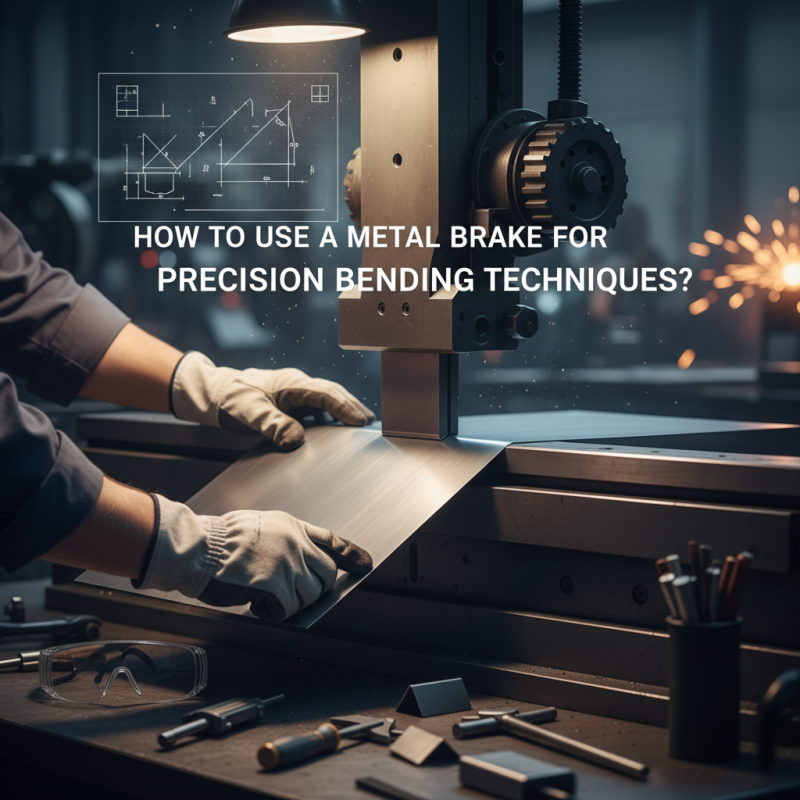
A metal brake is essential for achieving precise bends in sheet metal. Understanding its components and functionality is vital for effective use. The main parts of a metal brake include the clamping mechanism, bending leaf, and the back gauge. Each element plays a crucial role in maintaining accuracy during the bending process.
The clamping mechanism secures the metal sheet firmly in place. A secure grip prevents movement, which could lead to inaccuracies. The bending leaf, typically adjustable, provides different angles for bending. Users need to ensure the leaf is aligned correctly to achieve the desired bend without distortion. The back gauge helps position the material consistently, allowing for uniform bends.
Experience with a metal brake reveals that even small adjustments can greatly impact the final result. Users often learn through trial and error, refining techniques over time. Visualization aids comprehension; imagining the workflow emphasizes the importance of each component. However, without careful setup, errors are likely. Understanding the metal brake deeply ensures better outcomes in precision bending.
| Component | Functionality | Material Compatibility | Bending Capacity (Gauge) |
|---|---|---|---|
| Top Tool | Shapes and creates the bend | Aluminum, Steel, Copper | Up to 16 gauge |
| Bottom Tool | Supports the workpiece during bending | Stainless Steel, Brass | Up to 18 gauge |
| Clamping System | Holds the material securely in place | All metal types | Varies with tool size |
| Adjustment Mechanism | Allows for precise angle control | Compatible with most sheet metals | Standard settings between 16-20 gauge |
| Safety Features | Protects user from injury | All materials | N/A |
Choosing the right metal brake is essential for achieving precision in metal bending. Consider your project’s specific needs. Think about the materials you will use. Different metals require different approaches. Aluminum bends differently than steel or copper. Understanding these differences will guide your tool selection.
Next, evaluate the size and capacity of the metal brake. A smaller tool might be easier to manage for delicate jobs. However, larger jobs need a robust brake. Look for one with adjustable features. This will help you achieve the precision bends required for complex designs. You should also consider the tool’s weight and portability.
Remember, experience plays a crucial role. If you’re new to metal bending, practice on scrap materials. This is a chance to refine your technique. Don’t rush through the learning curve. Mistakes are inevitable. Each failure provides valuable insights. Take your time to understand how the metal reacts to bending. Embrace the journey of continuous improvement in your skills.
Setting up a metal brake for precision bending requires careful attention to detail. Ensure your workspace is clean and organized. Gather all necessary tools, including a measuring tape, square, and clamps. The metal brake should be placed on a stable surface to prevent movement during bending. Check that the brake is level. A sturdy setup is crucial for achieving accurate bends.
Adjust the bending angle according to your project needs. Use the measurement markings on the brake for guidance. When loading the metal, align it using a square to maintain straightness. Apply gentle pressure while clamping. Too much force can lead to deformation or uneven bends.
After securing the metal, begin the bending process. Use consistent pressure to create a clean angle. Keep an eye on the bend; pause if it looks off. This monitoring helps avoid mistakes later. Practice with scrap material to refine your technique. Each attempt gives insights into the brake’s response and your skill level. Reflect on each bend to improve accuracy.
Using a metal brake effectively requires understanding its mechanics and geometry. Precision bending hinges on consistent pressure and accurate measurements. It's essential to select the right thickness of metal. Thinner materials bend more easily, while thicker metals require more force and careful handling. Always use a caliper to measure bends, ensuring they meet your specifications.
Positioning the metal correctly in the brake is critical. Align it to avoid any off-cuts or misalignment. A slight deviation can result in a flawed piece, leading to frustration. Pay attention to the bend angle; even a few degrees can alter the final product's fit and function. Use a stop block to repeat bends accurately, but be wary—over time, blocks can shift, leading to inconsistent results.
Practice matters immensely. No one gets it right immediately. Imperfections often arise, and each mistake teaches valuable lessons. Review previous bends to identify miscalculations or alignment issues. Adjust your technique accordingly. As you gain experience, your muscle memory will improve, allowing for greater precision with every bend you make.
This bar chart illustrates the precision bends achieved at various angles using a metal brake. The data indicates the accuracy percentage for each bend angle, showcasing the capabilities of precision bending techniques.
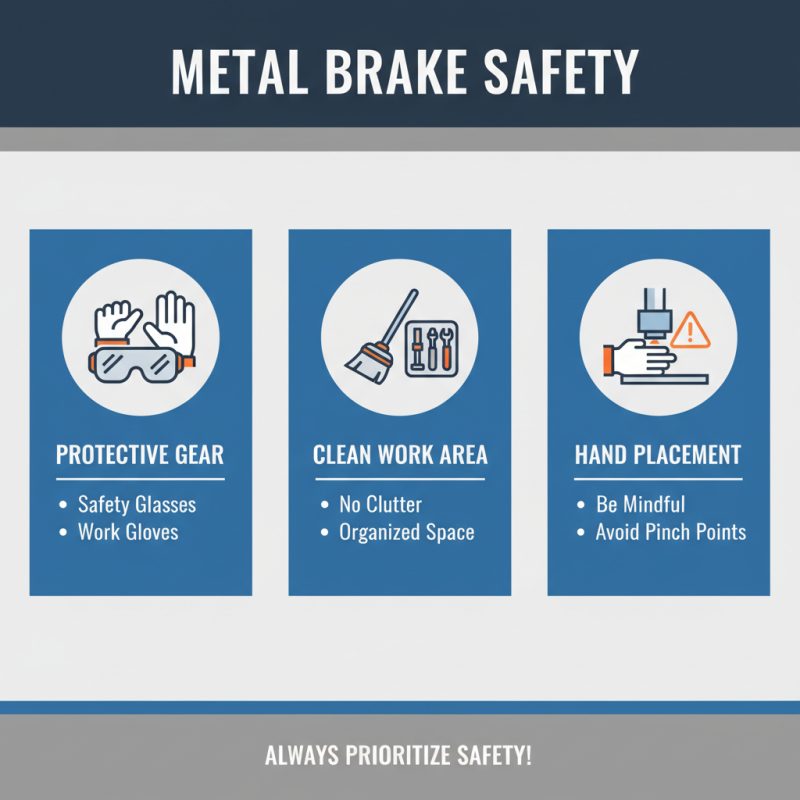
When working with a metal brake, safety should always be a priority. Start by wearing protective gear—safety glasses and gloves are essential. These items can prevent serious injuries. Ensure your work area is clean and organized. Clutter can lead to accidents, especially when operating heavy machinery. Always be mindful of where you place your hands. Metal brakes involve powerful forces, and mistakes can be costly.
Regular maintenance of your equipment is crucial. Check for any signs of wear and tear frequently. Lubricate moving parts to ensure smooth operation. This will prolong the lifespan of your metal brake. Additionally, always inspect the blade before use. A dull or damaged blade can result in inaccurate bends. A quick check can save time and frustration in the long run.
It’s easy to overlook small details when in a rush. This can lead to injuries or equipment damage. Keep a log of your maintenance practices. This not only tracks your responsibilities but also helps identify potential issues. A proactive approach to safety and care improves overall precision.