2026 Top Trends in Prototype Machining Techniques and Innovations?
In the rapidly evolving world of prototype machining, staying ahead of trends is crucial. Industry expert Dr. Emily Carter emphasizes, "Innovation in prototype machining drives efficiency and reduces time-to-market." This statement reflects the industry's continuous push for improvement and adaptation to new technologies.
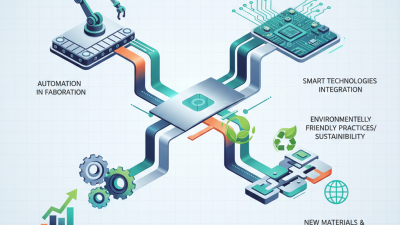
As we approach 2026, several trends are shaping the future of prototype machining techniques. Advanced materials, smart machining tools, and automation are at the forefront of this shift. Companies are exploring how these innovations can optimize production processes. However, not all trends will fit every business model.
Understanding these developments is essential, yet it requires careful analysis. Companies must weigh the benefits against potential challenges. Engaging with emerging technologies can lead to significant advancements, but it also demands a willingness to rethink traditional methods. As we look ahead, the focus on quality and precision in prototype machining will remain paramount.

Emerging Technologies in Prototype Machining for 2026
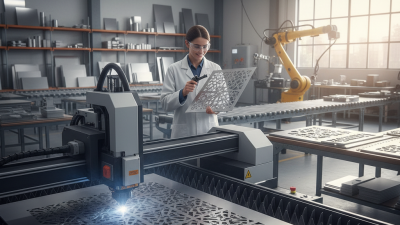
In 2026, prototype machining will undergo significant transformations driven by emerging technologies. Advanced computer numerical control (CNC) systems are increasingly being utilized. These systems provide better precision and efficiency. Machine learning algorithms will analyze production data. This helps in predicting failures and optimizing processes in real-time.
Additive manufacturing techniques are also rising in popularity. These methods allow for complex designs that traditional machining cannot achieve. Hybrid processes combining subtractive and additive techniques will offer new possibilities. This also brings challenges; not all machinists are familiar with these technologies. Training programs will be necessary to bridge this gap.
Sustainability will be a major focus in prototype machining. Eco-friendly materials and processes are becoming essential. However, transitioning to greener practices can be costly and complex. Many companies may struggle with these changes. Balancing innovation with environmental responsibility will require thoughtful strategies and ongoing adjustments.
2026 Top Trends in Prototype Machining Techniques and Innovations
| Trend |
Description |
Expected Impact |
Emerging Technology |
| Additive Manufacturing Integration |
Combining traditional machining with 3D printing techniques for optimized production. |
Increased flexibility and reduction in material waste. |
3D Printing Technologies |
| AI-driven Process Optimization |
Utilizing artificial intelligence to enhance machining processes and reduce cycle times. |
Higher efficiency and reduced operational costs. |
Machine Learning Algorithms |
| Smart Machining Systems |
Integration of IoT for real-time monitoring and maintenance of machining equipment. |
Enhanced machine uptime and predictive maintenance capabilities. |
IoT (Internet of Things) |
| Advanced Materials Machining |
Machining processes tailored for high-performance materials like composites and ceramics. |
Expanded applications in aerospace and medical fields. |
New Cutting Tool Technologies |
| Sustainable Machining Practices |
Implementation of eco-friendly processes to minimize carbon footprint. |
Increased compliance with environmental regulations. |
Green Manufacturing Technologies |
Advancements in CNC Machining Techniques for Prototyping
In recent years, advancements in CNC machining techniques are transforming prototyping processes. Today's manufacturers rely on CNC machines to achieve precise cuts and intricate designs. According to a report from the International Journal of Advanced Manufacturing Technology, CNC accuracy has improved by up to 40% over the last decade. This increased precision helps in reducing material waste and enhancing product quality.
The introduction of intelligent CNC systems is a game-changer. These systems utilize real-time data for better decision-making during machining. In fact, a study by the Manufacturing Technology Insights reveals that adopting AI-driven CNC machines can increase production efficiency by around 30%. However, the integration of these technologies demands skilled personnel who can adapt to the innovations. Many companies report a skills gap, which can hinder the potential benefits that advanced CNC techniques promise.
Furthermore, automation is crucial for enhancing turnaround times in prototyping. While automated machines can operate continuously, challenges still exist in optimizing settings for different materials. As manufacturers embrace these innovations, addressing the skill gaps and optimizing workflows must remain a priority. Continuous training and development are vital to keep pace with rapid advancements in technology.
2026 Top Trends in Prototype Machining Techniques
This chart displays the projected trends in prototype machining techniques for 2026, highlighting advancements in CNC machining techniques.
The Role of Automation in Prototype Machining Operations
Automation is transforming the landscape of prototype machining operations. By integrating automated systems into machining processes, manufacturers can boost efficiency. According to recent industry reports, automation can increase production rates by up to 30%. This shift not only enhances productivity but also minimizes human error, leading to higher quality prototypes.
However, the transition to automation poses challenges. Many operators may resist these changes due to a fear of job displacement. There’s also the requirement for training, as employees must adapt to new technologies. Failing to address these issues can create bottlenecks.
**Tips:** Start small with automation projects. This approach allows you to measure impacts and gradually build confidence. Regular training sessions can help ease the transition for your team. Keeping communication channels open can help address concerns and foster collaboration.
Moreover, the data from a recent study suggests that companies investing in automation technologies see a return on investment within two years. Prototype machining, itself, has traditionally been manual but is gradually moving towards smart, interconnected systems. These innovations can streamline workflows and reduce downtime. Yet, the effectiveness of automation relies heavily on how well it’s implemented and how the workforce is engaged. Planning and adaptability are key.
Sustainable Practices in Prototype Machining for Future Innovations
Sustainable practices in prototype machining are gaining traction, driven by the industry's need for eco-friendly solutions. A recent report indicates that nearly 40% of organizations plan to invest in sustainable machining technologies by 2026. This shift reflects a growing recognition of resource conservation and energy efficiency.
One innovative approach is the use of bio-based cutting fluids. These fluids minimize environmental impact while enhancing machining performance. Research shows that using these alternatives can reduce greenhouse gas emissions by up to 30%. However, the transition to these sustainable practices is not without challenges. Many manufacturers still rely on traditional methods due to a lack of awareness or resources for change.
Another trend is the implementation of additive manufacturing alongside traditional machining processes. This duality allows for less waste and optimizes material usage. However, companies must evaluate whether these methods produce the desired precision and quality. As the industry evolves, focusing on sustainable practices is crucial for driving innovation and meeting future demand. Reflecting on these advancements will help identify gaps and areas for improvement.
Integration of AI and Machine Learning in Machining Processes
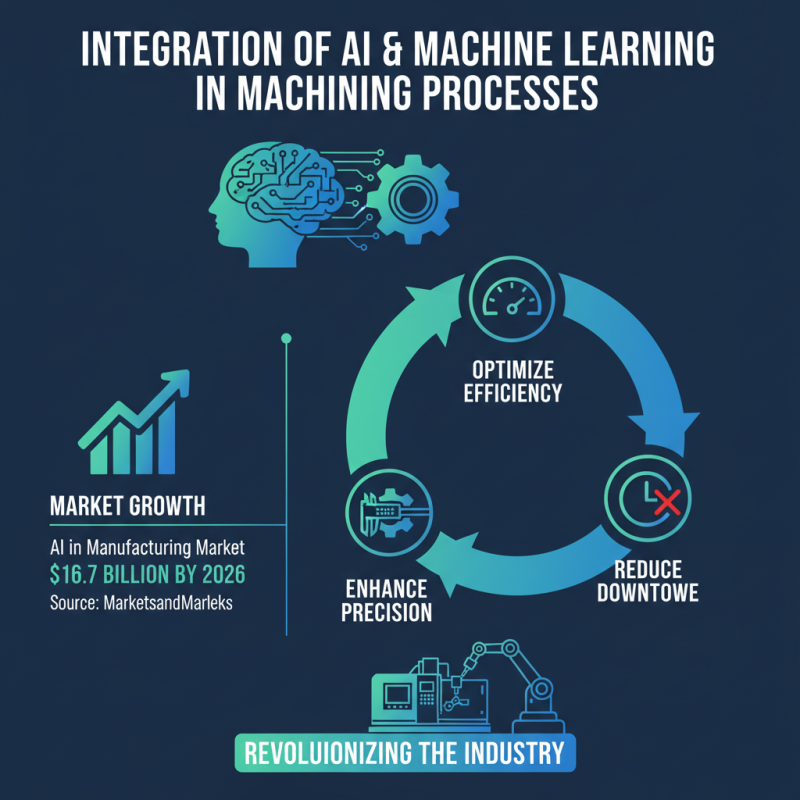
The integration of AI and machine learning in machining processes is revolutionizing the industry. According to a recent report by MarketsandMarkets, the AI in manufacturing market is projected to reach $16.7 billion by 2026. This surge reflects how AI and machine learning optimize efficiency, reduce downtime, and enhance precision in machining operations.
Employing AI technologies enables predictive maintenance. By analyzing data from machinery, AI can foresee potential failures and suggest timely repairs, leading to fewer disruptions. Machine learning algorithms also analyze patterns in production data to enhance processing parameters. For example, they can optimize cutting speeds and tool wear rates in prototype machining, paving the way for significant cost reductions and improved lifespan of tools.
Tips: Implementing AI tools requires employee training. Understand the capabilities of AI and invest in skill development. Often, integrating new technology exposes gaps in employee knowledge. Regular assessments can help identify areas for improvement.
However, it's essential to remember that AI implementations are not infallible. Challenges exist, such as data accuracy and the necessity for vast datasets. Businesses must continuously evaluate their AI strategies to ensure they align with overall goals.