Top 10 Benefits of Natural Slate Stone Veneer at 139th Canton Fair?
The 139th Canton Fair is an excellent platform for showcasing innovative materials. Among the highlights is the natural slate stone veneer. This product stands out due to its unique aesthetic appeal and durability. Many buyers seek such materials to enhance their projects.
natural slate stone veneer offers versatility in design. It can be used in both interior and exterior applications. Many craftsmen appreciate its natural variations in color and texture. However, some may overlook the need for proper installation methods. Without expert guidance, results can be disappointing.
The fair introduces advanced technologies this year. AI-driven tools help buyers find certified suppliers of natural slate stone veneer. These innovations aim to improve the overall efficiency of the fair. However, navigating such a large venue can still pose challenges. Still, the potential benefits of this natural product are immense and worthy of exploration.
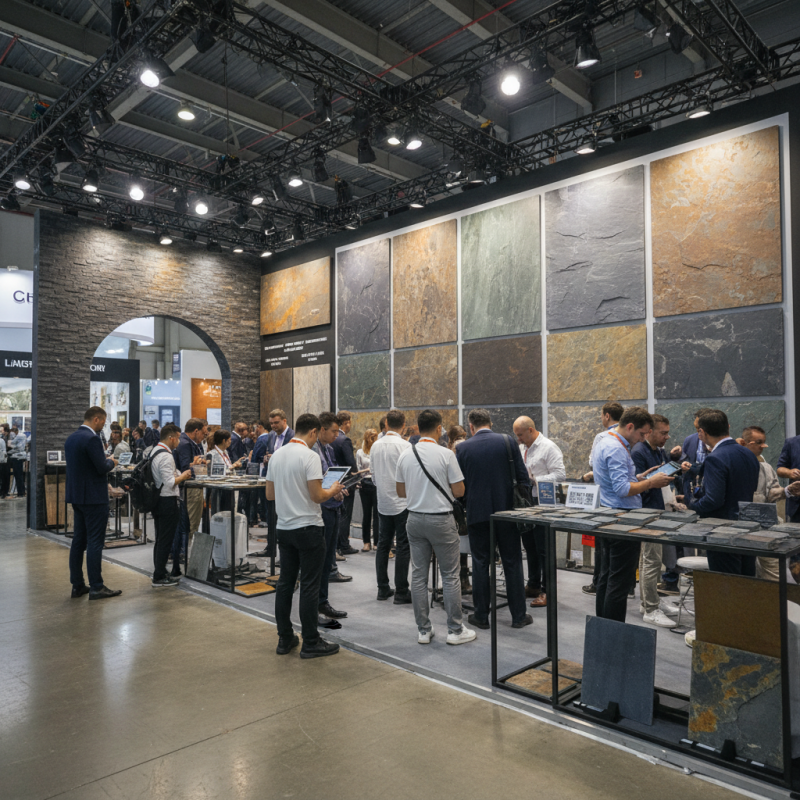
Top 10 Advantages of Using Natural Slate Stone Veneer in Modern Architecture
Natural slate stone veneer is gaining popularity in modern architecture, especially at events like the 139th Canton Fair. Its unique aesthetic appeal is one of the key advantages. Each stone has its own texture and color, adding a natural feel to any structure. According to a recent industry report, 68% of architects believe that using natural materials enhances the value of their designs.
Durability is another significant benefit. Natural slate resists weathering, moisture, and fire. It can last decades, even under harsh conditions. Studies show that buildings using slate veneer can reduce maintenance costs by 30%, making it a cost-effective choice over time. However, the installation process can be labor-intensive, requiring skilled labor, which may raise initial costs.
Aesthetic versatility adds to its allure. Whether in a rustic cabin or a sleek modern home, slate complements various styles. The textured surface creates shadows, adding depth and interest. But not all architects embrace slate; some feel it lacks uniformity. This can lead to challenges in achieving a consistent look. As preferences evolve, it's essential to weigh both the advantages and difficulties of using natural slate in designs.
Top 10 Benefits of Natural Slate Stone Veneer
Durability and Longevity: The Lifespan of Natural Slate Stone Veneer
Natural slate stone veneer offers remarkable durability and longevity. Its resistance to harsh weather conditions sets it apart from other materials. A report by the Natural Stone Institute indicates that slate can last over 100 years with proper care. This makes it a wise investment for both residential and commercial projects.
However, longevity doesn't mean maintenance-free. Regular cleaning helps preserve its aesthetic appeal. Utilize a pH-neutral cleaner and gentle scrub brush to remove dirt. This simple tip can extend the life of your stone veneer significantly.
Another crucial factor is installation. Properly trained professionals ensure that slate is installed correctly, minimizing potential damage. Poor installation can lead to cracks and moisture problems, reducing its lifespan. It’s essential to hire skilled craftsmen for the best results.
In conclusion, natural slate stone veneer offers durability and aesthetic charm. By prioritizing maintenance and quality installation, you can enjoy your slate for generations. Consider these aspects to make the most of this beautiful material.
Energy Efficiency: How Slate Stone Insulates and Reduces Energy Costs
Natural slate stone veneer offers a unique aesthetic, but its energy efficiency is a major highlight. Slate is a natural insulator. It helps maintain stable temperatures in homes. This means less reliance on heating or cooling systems. Homeowners can see a reduction in energy bills. That’s an appealing prospect for many.
The insulation properties of slate aren’t just theoretical. Tests show that homes with slate veneer stay cooler in summer and warmer in winter. This creates a truly comfortable living environment.
However, some people may overlook the potential drawbacks. If not installed properly, slate can have gaps. These gaps may let air escape, reducing its efficiency.
In addition, slate is heavy. This can complicate installation and support. Careful consideration of the structural integrity of walls is crucial. Some builders might shy away from using slate due to these challenges. It's essential to weigh the pros and cons. Ultimately, slate may not be for everyone.
Aesthetic Appeal: The Versatility of Slate Stone Designs in Interior Spaces
Natural slate stone veneer presents a unique aesthetic appeal in interior design. Its versatility makes it perfect for various spaces. A recent report by the Natural Stone Institute indicates that 75% of architects prefer natural stone for its beauty and durability. Slate adds texture and character to walls, giving a distinct ambiance to homes and commercial spaces.
Designers can use slate to create unique focal points. Imagine a cozy living room with a slate feature wall. This engages visitors and stimulates conversation. The natural variation in slate patterns ensures that every installation is unique. While slate is a great choice, some might find it heavy and difficult to install. It's important to consider structural support when using slate in renovations.
Moreover, maintenance is a crucial factor. Slate can withstand the test of time but requires proper care to avoid staining. A study from Stone World magazine shows that 30% of homeowners are unprepared for the upkeep needed with natural stone. This might lead to regrettable choices later on. The appeal of slate is undeniable, but ensuring it fits within your design and maintenance capabilities is essential.
Sustainability: The Environmental Benefits of Choosing Natural Slate Materials
Natural slate stone veneer is a beautiful choice for building and decor. It has unique colors and textures. When it comes to sustainability, natural slate stands out as an eco-friendly option. Choosing natural slate minimizes environmental impact. It is extracted from the earth, reducing the need for synthetic materials.
Slate is durable and long-lasting. This means less frequent replacements, which saves resources. Moreover, it requires less energy to install than manufactured options. While the initial cost may be higher, the long-term savings are significant. A well-maintained slate veneer can last for decades.
Tips: When considering slate, check its source. Ensure it comes from responsible quarries. Look for options that use less water in processing. Reusing existing slate tiles can also enhance sustainability. Each piece tells a story, adding character to your space.
Natural slate also provides insulation benefits. Its thermal properties help regulate indoor temperatures. This feature can lower energy usage. However, installation can be tricky for DIYers. Careful planning and proper tools are essential to avoid costly mistakes. Take your time when selecting and installing to ensure a sustainable choice.
Top 10 Benefits of Natural Slate Stone Veneer
| Benefit | Description | Environmental Impact |
| Sustainable Sourcing | Slate is harvested from the earth and can be sourced locally, reducing transportation emissions. | Lower carbon footprint. |
| Durability | Natural slate is weather-resistant and can last for decades, minimizing the need for replacements. | Reduces waste and resource consumption. |
| Energy Efficiency | Slate has thermal properties that contribute to energy savings in buildings. | Supports reduced energy consumption. |
| Low Maintenance | Natural slate requires minimal upkeep, saving resources over time. | Less frequent use of cleaning materials and resources. |
| Aesthetic Appeal | Slate offers a natural beauty and elegance, enhancing property values. | Promotes eco-friendly architecture. |
| Fire Resistance | Natural slate is non-combustible, offering safety in construction. | Reduces risk of burning materials. |
| Recyclable | At the end of its life, slate can be recycled into new products. | Encourages circular economy practices. |
| Natural Insulation | Slate's insulating properties help regulate indoor temperatures. | Lowers heating and cooling energy consumption. |
| Water Resistance | Slate is impervious to water, preventing decay and mold. | Enhances longevity and reduces material loss. |
| Availability | Abundant natural resource in various regions, promoting local economies. | Supports community sustainability. |
