Top 10 Tube Laser Cutting Machines for Global Buyers
Choosing the right tube laser cutting machine involves more than comparing power ratings or promotional prices. Global buyers must examine cutting accuracy, tube capacity, software stability, maintenance access, and long-term operating costs. A machine that performs well on thin stainless steel may struggle with thick carbon steel or reflective aluminum. Real factory conditions matter.
This guide presents ten tube laser cutting machines selected for practical international purchasing decisions. The comparison considers laser source quality, chuck design, cutting speed, automation, control systems, and safety features. It also reviews manufacturer experience, technical documentation, warranty coverage, spare-parts support, and installation training. These details often determine whether production starts smoothly or faces weeks of avoidable delays.
Performance is only part of the decision. Buyers should confirm electrical compatibility, shipping requirements, operator skills, and local service availability before ordering. Certification claims also require careful verification through official documents, not attractive website badges. Every factory has different materials, workloads, budgets, and quality targets. No ranking can fit every workshop.
Expect some compromises. A high-speed machine may require a larger investment and more experienced operators. A compact model may save floor space but limit future production growth. This overview uses practical observations and transparent criteria to explain where each tube laser cutting system may perform best. Use it as a starting point, then request sample cuts, inspect test results, and speak directly with the supplier’s technical team. Small checks prevent expensive surprises.
What Tube Laser Cutting Machines Are and How They Work
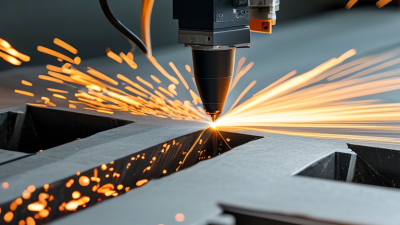
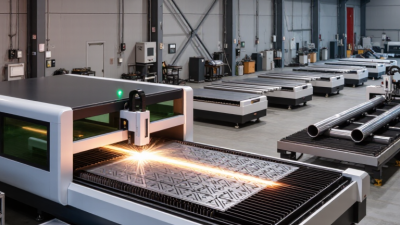
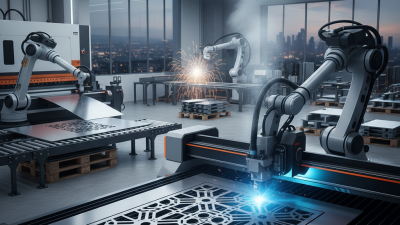
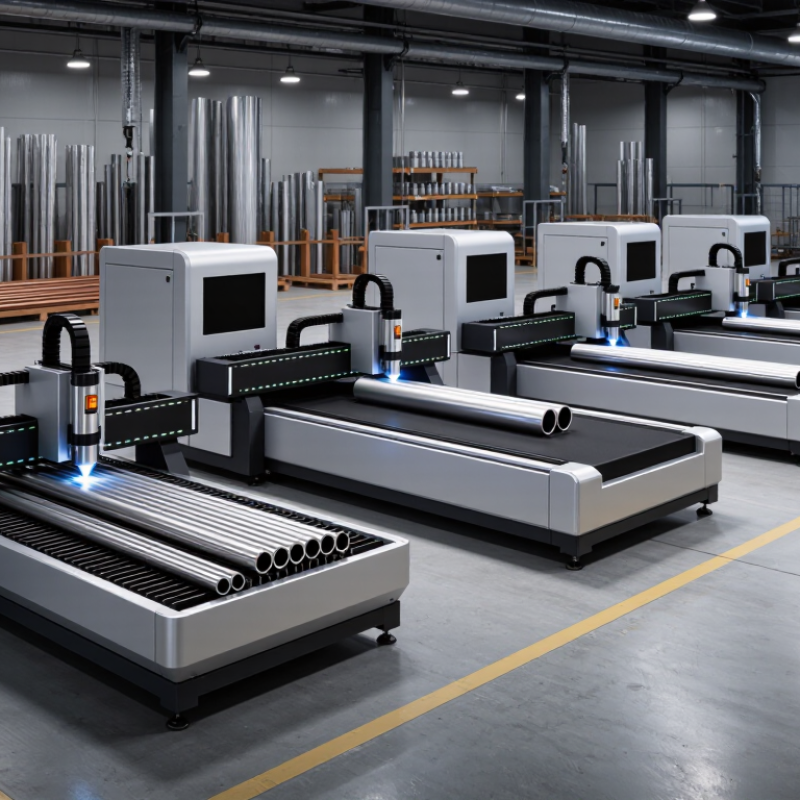
Tube laser cutting machines are CNC systems designed to process round, square, rectangular, and oval metal tubes. A fiber laser generates a concentrated light beam, while focusing optics deliver energy to the tube surface. The tube rotates during cutting, often through a servo-driven chuck. This movement lets the machine cut profiles, slots, holes, miters, and complex joints without separate drilling operations.
The workflow begins with a digital drawing. Nesting software positions multiple parts along the tube, reducing unused material. The control system then coordinates laser power, cutting speed, assist gas, and rotary-axis movement. Nitrogen can limit oxidation on stainless steel, while oxygen may support faster cutting in mild steel. Heat still matters. Thin walls can distort when settings are poorly matched to material grade or diameter. Operators must inspect edges, pierce points, and clamp marks, not trust software alone.
Grand View Research valued the global laser cutting machine market at about 6.8 billion US dollars in 2023 and projected continued growth through 2030. MarketsandMarkets also identifies automation and fiber-laser adoption as major growth drivers. These figures cover broader laser-cutting equipment, not tube machines exclusively, so buyers should avoid treating them as exact segment data. In practical workshops, automatic loading, remnant handling, and collision protection often influence productivity more than headline laser power. The machine may cut quickly, yet poor tube straightness or inaccurate drawings can still create expensive rework.
Key Criteria for Evaluating Tube Laser Cutting Machines
Top 10 Tube Laser Cutting Machines for Global Buyers: Key Criteria for Evaluating Tube Laser Cutting Machines
The global laser cutting machine market is expanding rapidly. MarketsandMarkets’ 2024 report estimates growth from about USD 7.3 billion in 2023 to USD 11.2 billion by 2029. Buyers should compare more than laser power. Cutting accuracy, tube diameter range, automation, and service access directly affect production costs. In workshop evaluations, a stable chuck often matters more than impressive headline wattage. Check repeatability under continuous loading. One successful test is not enough.
Material flexibility is another essential criterion. A capable machine should handle carbon steel, stainless steel, aluminum, and common structural profiles. Ask for sample cuts using your actual wall thickness. Examine burrs, heat marks, hole roundness, and edge consistency. ISO 9013:2017 provides useful guidance for thermal-cut quality classification. Positioning accuracy should also be verified against ISO 230-2 principles. However, published specifications can look perfect on paper. Real factory conditions may expose vibration, dust, or software limitations.
Tips: Request a timed production trial before purchase. Measure scrap rates, piercing time, and loading delays. Confirm local technician response times and spare-parts availability. Review software compatibility with your CAD workflow. Energy use deserves attention; compare power consumption per finished part, not only motor ratings. A cheaper machine may become expensive through downtime. My own evaluation checklist would still include one uncomfortable question: can the supplier prove performance after twelve months, not merely on delivery day?
Performance, Cost, and Application Comparison
Top 10 Tube Laser Cutting Machines for Global Buyers
The top ten tube laser cutting machines differ in power, automation, accuracy, and material capacity. A 1.5 kW system suits thin stainless steel, aluminum, and mild steel tubing. For thicker structural sections, 3 kW to 6 kW systems usually deliver faster cutting and fewer repeated passes. A higher laser rating is not always better. That assumption deserves scrutiny.
Performance depends on more than wattage. Rotary chucks should grip square, round, and rectangular tubes without visible slipping. Automatic loading reduces handling time when processing six-meter stock. High acceleration helps on short parts, while stable beam control protects edge quality around small holes. In production trials, inspect kerf width, dross, piercing time, and dimensional repeatability. Small errors can multiply across hundreds of frames.
Cost comparison should include power consumption, replacement lenses, nozzles, software, maintenance, and operator training. The cheapest quote can become expensive fast. Fiber systems often reduce routine maintenance, but their purchase price may be higher. Select a compact model for custom furniture and light fabrication. Choose a higher-capacity machine for construction frames, agricultural equipment, and transport components. A dual-chuck design can improve long-tube accuracy, although it may increase service complexity. Some buyers focus too heavily on cutting speed and overlook loading delays. That is a costly mistake. Reliable support, available spare parts, and documented safety procedures matter as much as the first invoice.
Top 10 Tube Laser Cutting Machines: Performance, Cost, and Application Comparison
Comparison of representative machine configurations commonly available in the global market. Higher laser power and tube capacity generally support thicker materials and heavier industrial applications, while entry-level systems are better suited to light fabrication and custom production.
Indicative new-machine pricing is shown in thousands of US dollars and varies by automation, chuck design, tube length, software, installation, and regional service. Cutting capacity depends on material grade, assist gas, nozzle configuration, and process settings.
How to Choose the Right Tube Laser Cutting Machine by Market Needs
Top 10 Tube Laser Cutting Machines for Global Buyers
How to Choose the Right Tube Laser Cutting Machine by Market Needs
The best tube laser cutting machine depends on your market, not its advertised power. A small workshop may need a compact system for furniture frames, handrails, and light steel tubes. An automotive supplier may require higher speed, automatic loading, and stable performance during long shifts. Check the common tube diameters, wall thicknesses, and materials used by your customers. A machine designed for thin stainless steel may struggle with heavy carbon steel.
Production experience shows that automation can reduce handling time and improve cutting consistency. However, it may increase maintenance demands and training costs. Consider local electricity standards, technician availability, software language, and spare-part delivery times. These details often matter more than a long feature list. Ask for sample cuts using your actual tube sizes. Test round, square, and rectangular profiles.
Tips: Compare the complete workflow, not only cutting speed. Review loading accuracy, chuck design, dust extraction, safety functions, and nesting software. Request documented tolerances and energy data. If possible, inspect a similar installation before purchasing. A cheaper machine may become expensive when downtime, training, and imported components are included. Be realistic. Your first choice may still need adjustment after six months of production.