How to Start with CNC Manufacturing for Beginners?
CNC manufacturing can seem intimidating for beginners. However, starting this journey can be rewarding. Understanding the basics will help you navigate the complexities.
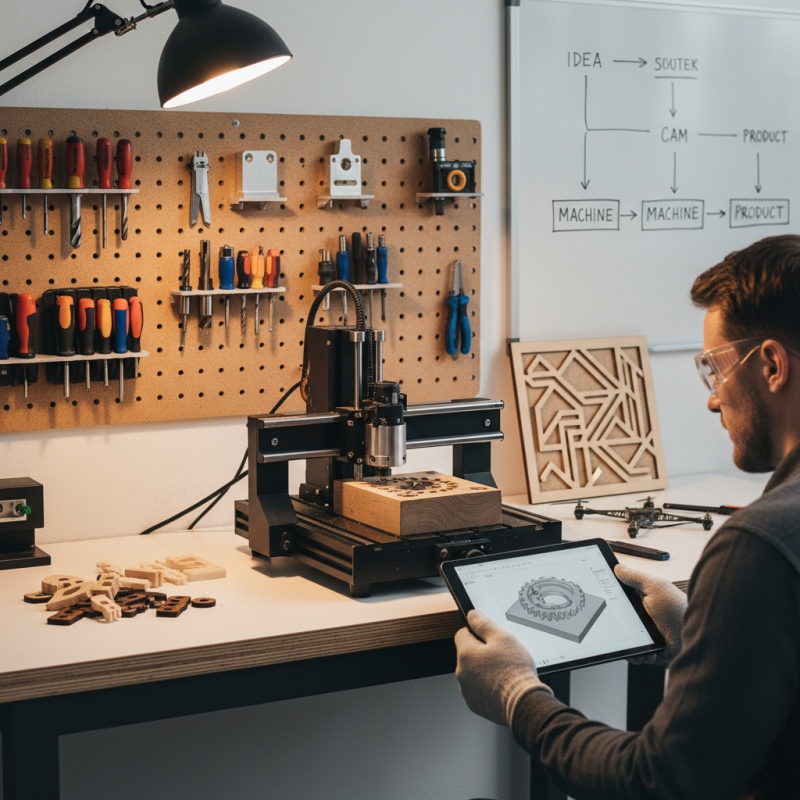
The world of CNC manufacturing involves precision and creativity. It's about transforming ideas into tangible products. A simple design can become a functioning part through the right process. However, mastering CNC technology requires practice. Mistakes will happen, and that’s okay. Each error offers a lesson.
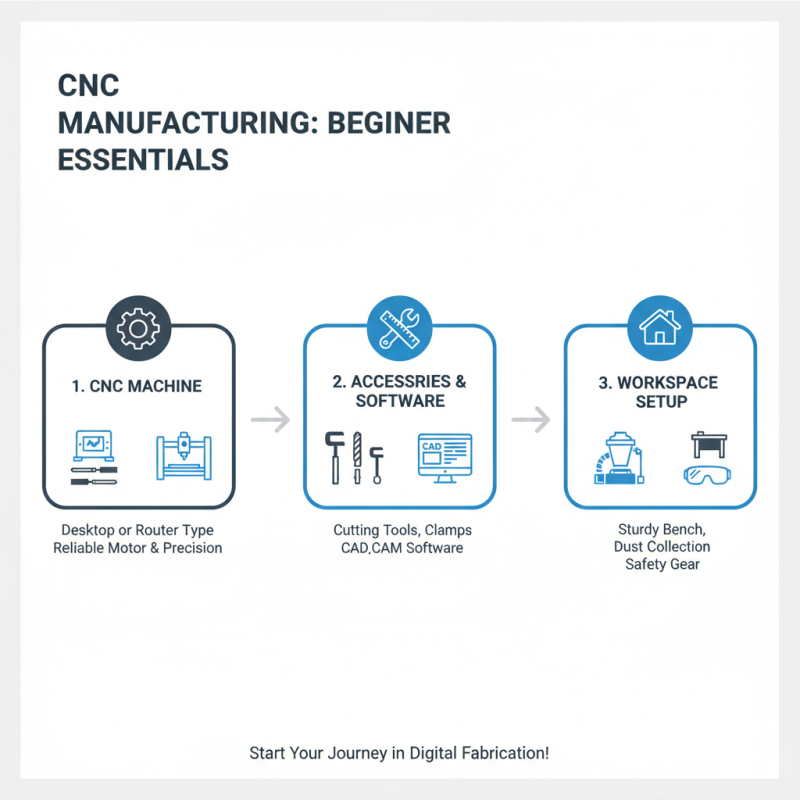
Many beginners find themselves overwhelmed by equipment choices. Selecting the right machinery is crucial yet challenging. It’s common to feel lost in specifications and features. Spend time learning about different CNC machines. Explore their capabilities and limitations. This knowledge will guide your decisions. Embrace the imperfections along this journey, as they shape your skills in CNC manufacturing.
Understanding the Basics of CNC Manufacturing Technology
CNC manufacturing is revolutionizing production methods. Understanding its basics is crucial for beginners. CNC stands for Computer Numerical Control. This technology automates machine tools through programmed commands. It transforms designs into physical objects.
Beginners should be aware of the fundamentals. CAD software, or Computer-Aided Design, is often the starting point. It allows users to create precise models. After creating a design, it must be converted into a format that CNC machines can read. This process can be tricky. Errors in the design stage can lead to waste and frustration.
Setting up a CNC machine requires knowledge and practice. It can feel overwhelming at first. Calibration is essential for accuracy. Many beginners struggle with tool changes and setup. It's normal to face challenges like misaligned parts or unexpected machine stops. Learning from these experiences is part of the journey. Over time, familiarity will increase, making the process smoother and more efficient.
Choosing the Right CNC Machine for Your Projects
When diving into CNC manufacturing, selecting the right CNC machine is crucial. The choice significantly impacts your project's success and efficiency. A recent industry report shows that nearly 40% of beginners choose machines that don't fit their specific needs. This misstep can lead to wasted materials and time. Moreover, understanding your project requirements and production volume is vital.
Consider the complexity of your designs. Entry-level machines are often sufficient for simple projects. However, intricate designs may require advanced features or higher precision. A study indicated that 60% of professionals recommend researching specifications before purchasing. Evaluate factors like spindle speed, cutting area, and software compatibility. Many beginners overlook these aspects, sometimes leading to frustration.
Budget is another essential factor. Quality CNC machines can be a significant investment. Yet, 50% of new users rush in without proper budgeting. It’s essential to consider long-term operational costs. Maintenance, tooling, and software can quickly add up. Taking time to evaluate your options will likely yield better results. Remember, a thoughtful approach increases your chances of success in the CNC world.
Basic CNC Programming: Getting Started with G-code
CNC manufacturing is rapidly transforming industries. For beginners, mastering G-code is essential. G-code is the language that CNC machines speak. Understanding it opens doors to precise and efficient manufacturing processes. According to industry reports, approximately 70% of manufacturers see improved productivity with CNC technology.
Learning G-code involves familiarizing yourself with basic commands. The most common commands include movement instructions, tool changes, and program stops. Simple commands can create complex shapes when combined correctly. Beginners often struggle with syntax and command sequencing, which can lead to errors. It's crucial to carefully plan your programs. Mistakes can waste materials and time.
Practice is necessary. Start with simple projects to build confidence. Many online resources offer sample codes for practice. Engaging with online communities can provide valuable insights. Feedback from experienced users is beneficial. Remember, perfection takes time. Embrace the learning curve. It’s a journey with many adjustments. G-code is a powerful tool, but it requires patience and reflection.
Safety Practices in CNC Manufacturing for New Operators
CNC manufacturing poses unique safety challenges for beginners. According to the
National Institute for Occupational Safety and Health (NIOSH),
approximately 40% of machine-related injuries happen in the manufacturing sector.
Understanding safety practices is crucial to reduce these incidents.
New operators often overlook basic safety equipment. Personal protective equipment (PPE)
like gloves and goggles is essential. In fact, the
Occupational Safety and Health Administration (OSHA) states that proper PPE can
reduce workplace injuries significantly. Operators must also ensure that machine guards are in place.
Missing guards leads to many accidents that could have been avoided.
Additionally, training is imperative. Many beginners underestimate the importance of thorough
training. Data from the Bureau of Labor Statistics indicates that workers with
proper training are 60% less likely to experience on-the-job injuries.
Regular safety drills can help reinforce important practices. However, all operators must remain vigilant;
complacency can be dangerous. Even small mistakes can lead to significant accidents. Safety is a
continuous commitment, requiring constant attention and reflection.