What Is a Laser Machine and How Does It Work?

A laser machine converts electrical energy into a concentrated beam of light. That beam can cut, engrave, mark, weld, or clean selected materials. Its accuracy comes from controlled energy, not from physical force. A focused beam may leave a narrow line on stainless steel, wood, acrylic, glass, or fabric.

Theodore H. Maiman, creator of the first working laser, famously observed, “A laser is a solution looking for a problem.” His remark still encourages careful thinking. A laser machine is powerful, but it is not automatically suitable for every material or production goal. Thickness, reflectivity, moisture, coating, and heat sensitivity all influence the result. Even a small focus error can produce dark edges, rough cuts, or incomplete markings.

Inside the system, a laser source generates light, mirrors guide it, and a lens concentrates it onto the workpiece. Motion controls then follow a programmed path. Operators adjust speed, power, frequency, focus, and assist gas according to the application. In real workshops, testing matters. A setting that works on one plywood sheet may fail on another batch. That uncertainty deserves attention.

Reliable use also requires ventilation, guarded operation, correct eye protection, and documented maintenance. Legal requirements differ by location, so responsible users should follow applicable safety standards and manufacturer instructions. This guide explains how a laser machine works, where its strengths appear, and why skilled preparation remains essential. The technology looks precise. The process still depends on judgment.
What Is a Laser Machine and How Does It Work?

What Is a Laser Machine?

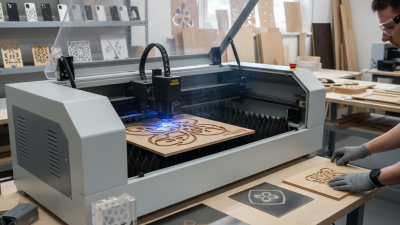
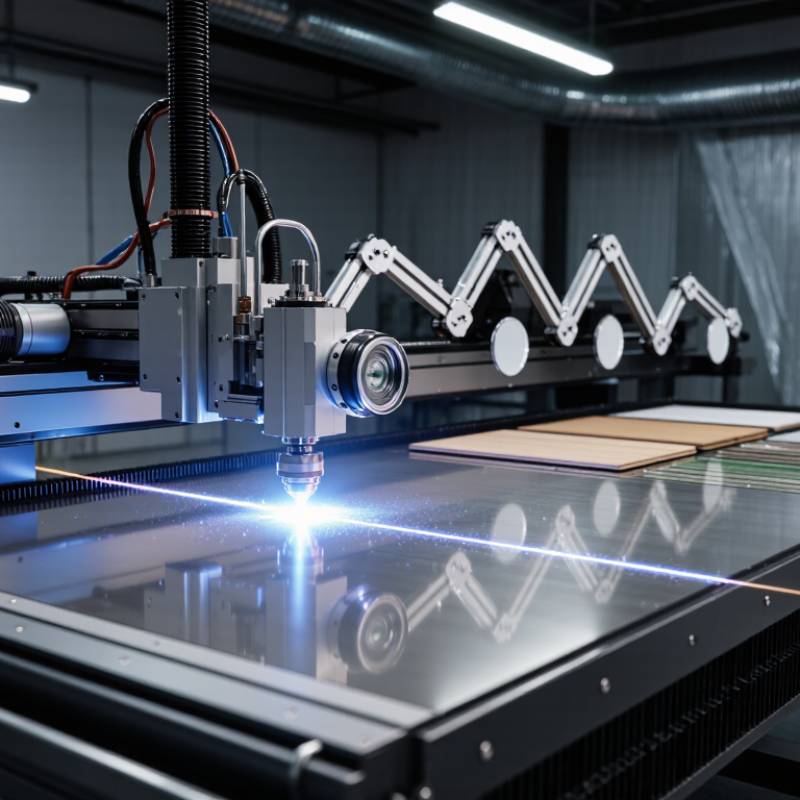
A laser machine is a tool that uses concentrated light to cut, mark, engrave, or shape materials. Its light beam carries energy into a very small area. This focused energy can melt, vaporize, or change the surface of a workpiece.

The machine usually includes a laser source, mirrors, a focusing lens, and a controlled motion system. The source creates the beam. Mirrors guide it through the machine. The lens narrows the beam to a tiny spot, sometimes less than one millimeter wide. A computer then directs the beam along a programmed path. Power, speed, focus, and pulse frequency affect the final result.

It is not magic.

Different materials react differently. Wood may darken around an engraving, while metal often needs higher energy or another laser wavelength. Operators should test settings on scrap material before production. Even a small focus error can create rough edges, excessive heat, or incomplete cuts. I have found that clean lenses and accurate material placement matter more than many beginners expect. However, no single setting works everywhere. Ventilation, protective enclosures, and trained operation are essential because fumes, reflections, and heat can create serious hazards. A laser machine becomes reliable through careful calibration, documented settings, and regular inspection.

Core Components of a Laser Machine

A laser machine converts electrical energy into a concentrated light beam. Its core components decide cutting quality, speed, and operating stability. The laser source generates the beam, while a power supply controls its energy. Fiber, CO₂, and solid-state sources serve different materials and thicknesses. According to Grand View Research, the global laser technology market reached about USD 18 billion in 2023. That growth reflects wider use in manufacturing, medical equipment, and research.

The optical path contains mirrors, lenses, and a focusing head. These parts guide the beam onto a tiny focal point, sometimes smaller than 0.2 millimeters. A small lens defect can create rough edges or uneven heat. The motion system then moves the worktable or cutting head along programmed coordinates. Servo motors, linear guides, and encoders maintain positioning accuracy. The controller links design files with real-time movement. It is the machine’s decision center.

Cooling units protect the source and optics from excessive heat. Air extraction removes smoke and fine particles from the work area. Sensors monitor temperature, airflow, door status, and beam conditions. ISO 11553-1 emphasizes integrated safety measures for laser processing machines. Yet specifications alone cannot guarantee reliable results. In practice, dirty lenses, unstable cooling water, or incorrect focus often cause failures. That is easy to underestimate. A careful operator checks these details before production, although even experienced teams sometimes miss a small warning.

How Laser Generation and Focusing Work

A laser machine creates a narrow, powerful beam through controlled light amplification. Inside its source, a gain medium receives energy from an electrical or optical pump. This energy excites atoms or molecules. When they release photons, those photons stimulate more identical photons. The light becomes synchronized in direction, wavelength, and phase.

Two mirrors surround the gain medium. One mirror reflects nearly all light, while the other allows a small portion to escape. That escaping portion forms the working laser beam. The beam may look thin, but it still spreads gradually. A focusing lens bends the light toward a small focal point. At this point, energy concentrates intensely, producing enough heat to cut, engrave, mark, or weld suitable materials. Lens quality, focal distance, beam alignment, and material reflectivity all affect the result. A tiny focus shift can change the cut noticeably. Ideal calculations help, but real machines are less perfect.

Tips: Keep the lens clean and verify the focal distance before processing. Use test marks on scrap material first. Watch for smoke, heat distortion, and uneven edges. If the result looks weak, do not increase power immediately; alignment or focus may be the real issue. Safety enclosures and proper ventilation remain essential, even during short tests.

Typical Laser Wavelengths Used in Industrial Laser Machines

A laser produces concentrated light through stimulated emission, then optical components align and amplify the beam. A focusing lens reduces the beam diameter to create a high-energy spot for cutting, engraving, welding, or marking. The wavelength affects how efficiently different materials absorb the laser energy.

Step-by-Step Laser Cutting and Engraving Process

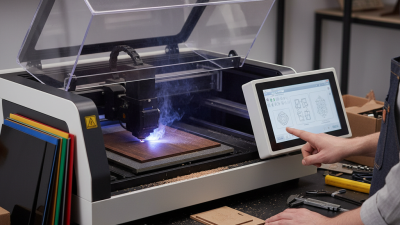
A laser machine uses a focused beam of light to cut, mark, or engrave materials. The beam is directed by mirrors or a moving laser head. Heat changes the surface with controlled precision. The operator’s settings determine the result.

The process begins with a clean digital drawing. I check its size, lines, and intended cutting paths before sending it to the machine. The material is then placed flat on the workbed and secured carefully. Focus matters. A small height error can create blurred edges or uneven cuts.

I select power, speed, and beam frequency according to the material’s type and thickness. These settings should never be guessed blindly. A small test square helps reveal scorching, weak cuts, or excessive melting.

Ventilation and protective equipment are essential during operation. I inspect the machine, confirm its safety controls, and keep the cover closed while the beam is active. The cutting head follows programmed paths, while engraving usually moves line by line across the surface. Air assistance can reduce smoke and protect the lens.

Results vary between material batches, even when the settings look identical. The first pass is rarely perfect. After cooling, I examine the edges, remove residue, and adjust one setting at a time. Too much power may damage details. Too little power may leave incomplete cuts. Careful testing remains more reliable than copying a standard chart.

Common Applications and Operating Considerations

What Is a Laser Machine and How Does It Work?

Common Applications and Operating Considerations

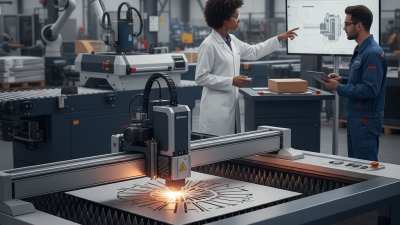
A laser machine focuses light into a small, intense beam. The beam melts, burns, or vaporizes selected material. A computer controls movement, power, speed, and pulse duration. Cutting systems commonly process metal, wood, acrylic, textiles, and composites. Marking machines create serial numbers, measurement scales, and identification codes. Welding systems join thin components with limited physical contact. According to Grand View Research, the global laser cutting machine market was valued at approximately USD 6.8 billion in 2023, showing strong industrial demand.

Applications vary, but operating discipline matters more than advertised power. Operators must match wavelength, lens type, focal distance, and assist gas to each material. A slightly incorrect focus can leave rough edges or excessive heat marks. Reflective metals also require careful settings and suitable machine protection. Ventilation is essential because cutting can produce smoke, fine particles, and irritating gases. The U.S. Occupational Safety and Health Administration identifies local exhaust ventilation as an important control for airborne contaminants.

Enclosures, interlocks, eyewear, and routine inspections reduce avoidable exposure risks. ISO 11553-1 provides safety requirements for laser processing machines, including guarding and protective measures. In practical workshops, dirty lenses often cause unstable cuts before major faults appear. That detail is easy to overlook. Automated settings save time, but they are not always correct for new materials. I would test a small sample first, record the result, and inspect both the cut edge and surrounding surface. Mistakes still happen. The useful response is measuring them, not hiding them.