2026 How to Choose the Right Metal Brake for Your Needs?
Choosing the right metal brake is crucial for anyone in metalworking. According to a recent industry report by the Metalworking Technology Association, nearly 70% of fabrication businesses report productivity increases with the right equipment. The metal brake market is evolving, and selecting the proper model can significantly impact efficiency and output quality.
Expert Jaime Rodriguez, a leading figure in the metal brake industry, emphasizes, “The right metal brake can transform your production line.” This statement underscores the importance of understanding various metal brakes on the market. With options ranging from manual to automated machines, buyers face a critical choice. Each type serves different needs and capabilities, making it important to match the brake’s specifications with your projects.
While many users focus on price, the features of the metal brake should drive decision-making. Ergonomics, capacity, and precision are vital. Additionally, the wrong choice can lead to subpar outcomes and increased costs. Reflecting on these areas will help ensure a choice that boosts productivity rather than hindering it.
Understanding the Different Types of Metal Brakes Available in the Market
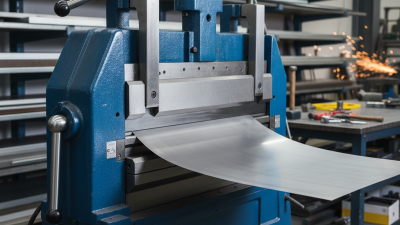
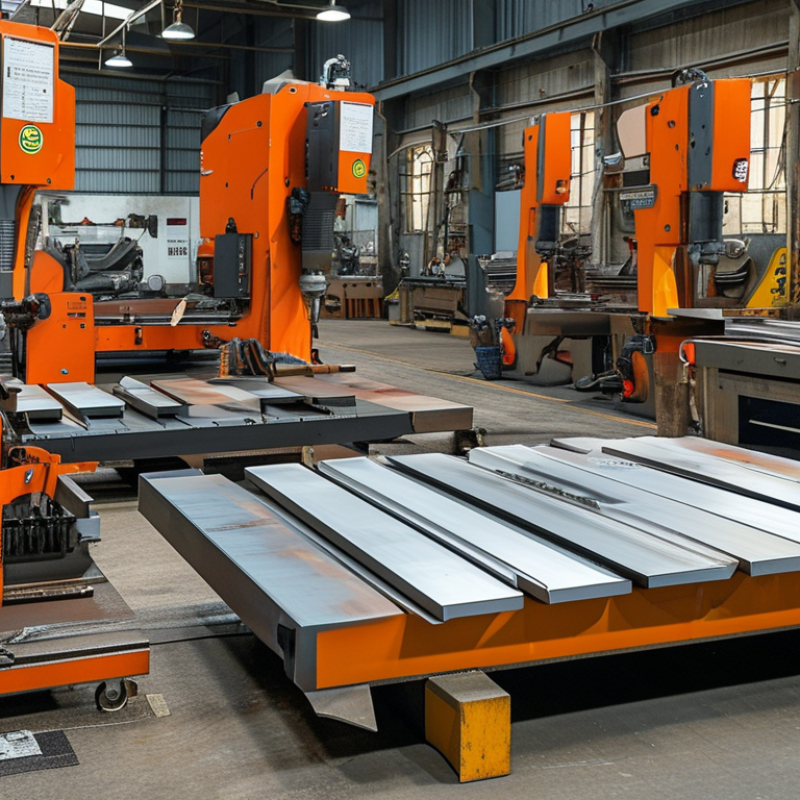
When choosing a metal brake, understanding the types available is crucial. Metal brakes come in various designs, each suited for different tasks. The two main categories include mechanical and hydraulic brakes. Mechanical brakes are often more affordable and easier to maintain. They require manual effort, making them ideal for lighter workloads. Hydraulic brakes, on the other hand, offer greater power and precision. They are excellent for heavy metal sheets.
Consider the material you will be working with. Different metals require different approaches. Aluminum and steel have unique characteristics that affect bending techniques. Some brakes are optimized for specific materials, which can enhance efficiency. If you're working on intricate designs, a programmable option may be beneficial.
Tips: Always evaluate your project needs. If flexibility is key, a versatile metal brake can save time and effort. Do not underestimate the importance of safety features. Proper shielding and controls protect users from potential hazards. Choosing the right metal brake is not just about features; it's also about aligning the tool with your specific applications.
2026 How to Choose the Right Metal Brake for Your Needs? - Understanding the Different Types of Metal Brakes Available in the Market
| Type of Metal Brake |
Bending Capacity (Gauge) |
Max Bend Length (inches) |
Material Type |
Ideal for |
| Hydraulic Brake |
16 |
120 |
Steel, Aluminum |
Heavy-Duty Manufacturing |
| Mechanical Brake |
18 |
96 |
Steel |
Small-Scale Operations |
| Electric Brake |
14 |
144 |
Steel, Stainless Steel |
High Precision Fabrication |
| CNC Brake |
16 |
120 |
Aluminum |
Complex and Custom Parts |
Assessing Your Specific Metalworking Needs and Applications
When choosing a metal brake, assess your specific metalworking needs first. Consider the types of materials you work with. Are you bending aluminum, stainless steel, or another metal? Different brakes handle various thicknesses and weights. Understanding this will guide you to the right selection.
Tips: Determine the maximum sheet metal thickness you plan to work with. This will help narrow your options. Regularly evaluate your projects to ensure your equipment meets evolving requirements.
Evaluate how often you will use the brake. If it's for occasional tasks, a smaller, less expensive model may suffice. For high-volume production, a heavy-duty metal brake is more appropriate. Be realistic about your budget and future needs.
Tips: Keep in mind that investing in quality equipment can save money over time. Don’t overlook warranty options and customer support for long-term reliability. Reflecting on past projects can refine your present choices.
Key Factors to Consider When Selecting a Metal Brake
When selecting a metal brake, focus on key factors that impact your choice. Understanding your specific needs is essential. Consider the metal types you'll be working with. Different brakes excel with various materials, such as aluminum or steel. Think about the thickness of the materials you need to bend. A heavier gauge requires a more powerful tool.
Another important aspect is the brake's capacity. Look at the bending length and weight limit. Choosing a machine that matches your project's scale can avoid frustration. Think about ease of use; a complicated setup can lead to errors. Precision is crucial in metal fabrication. Seek a brake that offers consistent results and reliable performance.
Lastly, reflect on service and maintenance options. A metal brake is an investment. You want to ensure parts and expertise are available when needed. Research user experiences and reviews to gauge reliability. Gathering feedback can reveal both strengths and weaknesses. This approach can guide you toward making a well-informed decision.
Comparing the Features and Specifications of Popular Metal Brakes
When selecting a metal brake, various features and specifications play a crucial role in meeting your specific needs. Start by assessing the bending capacity. Most metal brakes can handle different material thicknesses, typically ranging from 16 to 22 gauges. Understanding this will ensure you can work with the materials required in your projects.
Pay attention to the design of the machines. A common specification is the open height, which usually varies between 12 to 18 inches. This affects how much space there is for operations. If a machine has a lower open height, it may limit your work with thicker materials. Furthermore, the stroke length is essential. This varies widely, with lengths often between 2 and 6 inches. Shorter strokes may necessitate more manual adjustments, slowing the production process.
In terms of precision, consider the repeatability of the machine, often expressed in thousandths of an inch. Some machines achieve an impressive repeatability rate of ±0.005 inches. This accuracy can significantly impact production efficiency and quality. However, it’s also worth noting that investing in high-precision machines often incurs higher upfront costs. Weigh the benefits of precision against your budget and project needs.
Evaluating Budget and Cost-Effectiveness for Your Metal Brake Purchase
When selecting a metal brake, budget plays a crucial role. You want to consider the upfront costs along with long-term value. A cheaper option might seem appealing, but it could lead to higher expenses over time. Weigh the features you need against the price tag. A well-rounded metal brake may save money through efficient performance and durability.
Think about the specific tasks you will perform. Will you be bending light materials or thicker metals? Specialized models often come at a higher price. Ensure you’re getting the right features. Investing in a metal brake that can handle your workload saves on future replacements.
Don’t overlook maintenance costs, either. A device that requires frequent repairs can quickly deplete your budget. Research includes reading reviews and consulting professionals. Gathering diverse insights can help clarify what to expect. Expect trade-offs; every decision comes with pros and cons. Balancing quality and cost can be challenging but essential for a worthwhile purchase.