How to Choose the Best Tube Laser for Your Business Needs?
Choosing the right tube laser for your business is a crucial decision. “Selecting the best tube laser can significantly enhance production efficiency,” says James Miller, a respected expert in the tube laser industry. His insights emphasize the importance of understanding your specific needs.
In today's market, tube lasers offer a variety of features and capabilities. Businesses must consider factors like material type and thickness, as well as production speed. Each application might demand different specifications. For instance, a manufacturer focusing on intricate designs will require a tube laser with higher precision.
However, the choice isn't always straightforward. With numerous brands available, some might appear appealing but lack in performance. Failing to evaluate your requirements could lead to poor investment choices. The right tube laser can elevate your operations, but the wrong one can hinder growth. Ensure you do thorough research before making a commitment.
Understanding Tube Laser Technology and Its Applications
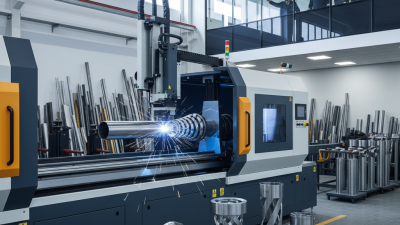
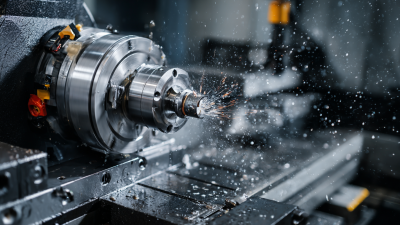
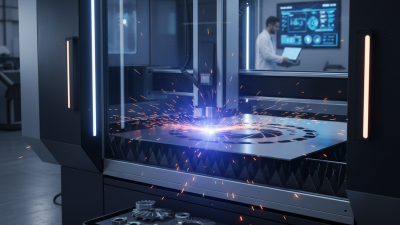
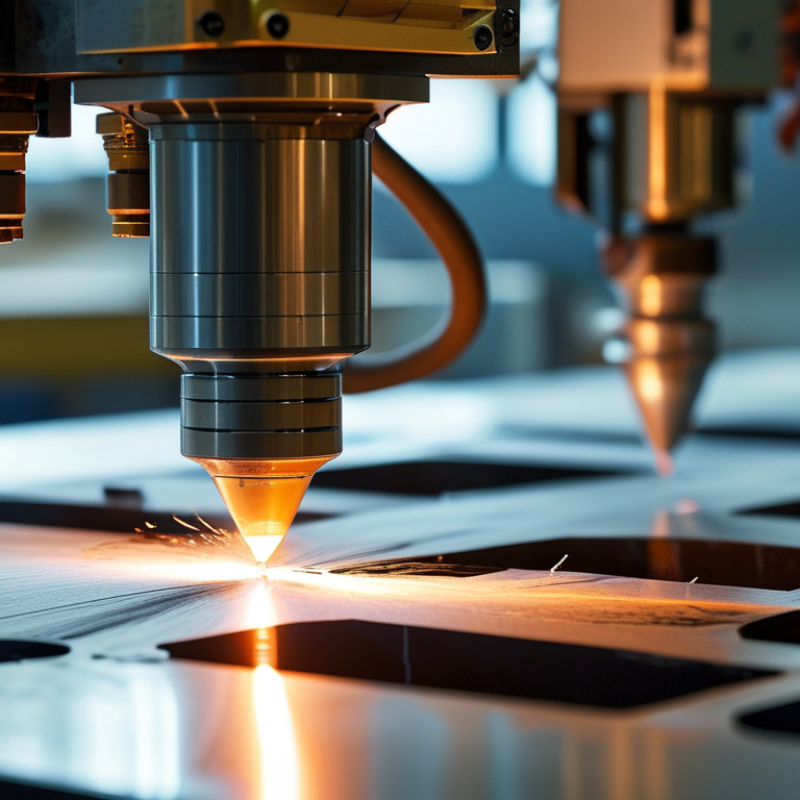
Tube laser technology has transformed various industries by enabling precise cutting and shaping of tubular materials. Understanding how this technology works is vital for businesses considering its adoption. These lasers utilize focused light to cut through metals and other materials. This capability allows for cleaner cuts and reduces waste, which is important for efficiency and cost-effectiveness.
Different applications benefit from tube laser technology. Manufacturing industries use it for creating intricate designs in metal frameworks. Automotive manufacturers rely on tube lasers for producing exhaust systems and chassis components. This versatility makes tube lasers suitable for various projects, ranging from small-scale prototypes to large production runs. However, relying solely on tube lasers can be risky. The technology may not be best for each application, especially where thicker materials are involved.
Choosing the right tube laser involves evaluating specific business needs. Factors like material type, thickness, and project volume play a role in this decision. While tube lasers provide precision, they also require skilled operators for optimal performance. Training staff to handle this technology is crucial, as misoperation can lead to project delays. Balancing the benefits with potential challenges is essential for successful integration into any workflow.
Key Factors to Consider When Choosing a Tube Laser
When selecting a tube laser for your business, understanding your specific needs is critical. Consider the material types you'll be processing. Different lasers excel with distinct materials. For example, some models are better at cutting stainless steel, while others handle aluminum or plastics more effectively. Evaluate the thickness of the materials too; certain lasers have limitations regarding material thickness.
Think about the laser's power and speed. A more powerful laser can cut through thicker materials faster. If high production speed is essential for your business, prioritize models with higher wattage and faster cutting capabilities. Efficiency is key. However, higher power can lead to increased operational costs, so weigh the pros and cons.
When evaluating these machines, expertise is crucial. Seek machines with a robust support network. This ensures maintenance and troubleshooting support is readily available. Training your staff is just as important. An operator’s skill can affect the laser’s performance. Investing time in training can help reduce mistakes and improve overall productivity.
Reflecting on your operation's future needs is also wise. As technology evolves, consider whether the chosen model can adapt. Flexibility might save costs in equipment upgrades down the line. Involving your team in the decision-making process can provide insights you may overlook, ensuring a well-rounded approach to your investment.
Comparing Different Tube Laser Brands and Models
When comparing different tube laser brands and models, understanding key specifications is essential. Factors such as power output, cutting speed, and material compatibility significantly influence operational efficiency. According to a recent industry report, tube lasers that offer at least 4 kW of power provide up to 50% faster processing times compared to lower power models. This efficiency can translate into substantial cost savings for businesses.
Another crucial aspect is the software compatibility. Advanced software can enhance the machine's performance and allow for more complex designs. Some studies indicate that businesses utilizing superior software solutions can increase productivity by approximately 20%. This can be critical in a fast-paced manufacturing environment.
Consider the longevity and maintenance requirements of different models. A machine's reliability can affect overall business output. Regular service and support from manufacturers are vital. Businesses should analyze post-purchase support options when choosing a model.
Understanding your specific needs is crucial. Reflect on the materials you'll primarily work with. Consider your production volume to choose the right machine. Making an informed decision involves balancing features with cost—not an easy task.
Assessing Your Business Needs for Tube Laser Capabilities
When assessing your business needs for tube laser capabilities, start by understanding your production requirements. Precision is key in industries like automotive and aerospace. A recent industry report indicates that nearly 70% of manufacturers prioritize accuracy over speed. This means that selecting a tube laser with high precision is essential. Consider the material types you frequently work with. Various tube lasers excel in processing different materials, including steel, aluminum, and titanium. Each requires specific settings and capabilities.
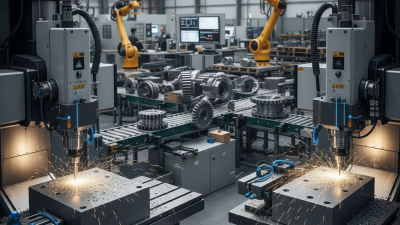
Next, analyze your workflow and capacity. If you run high-volume production lines, automation features may be crucial. Studies show that integrating automation can boost productivity by up to 40%. However, automated systems often require higher upfront investments. Reflect on your budget and return on investment. A laser that meets your current needs might limit future growth.
Additionally, think about space and maintenance. Some tube lasers are compact and require less floor space. Yet, others need more extensive setup and upkeep. Understand the trade-offs between size and functionality. Regular maintenance schedules can help mitigate downtime risks. Ensure your team has the necessary skills for operation and maintenance. Investing in training may improve efficiency in the long run.
Budgeting for Purchase and Maintenance of Tube Lasers
When budgeting for the purchase and maintenance of tube lasers, several factors come into play. Initial acquisition costs typically range from $100,000 to over $1 million, depending on capacity and features. Businesses must assess not only the purchase price but also ongoing operational costs. These can include energy consumption, which averages around $0.20 per hour for a mid-range machine, and maintenance expenses, typically around 5% of the purchase price annually.
Aside from direct costs, businesses should consider the hidden expenses. Downtime due to mechanical issues can lead to significant losses. According to industry studies, unplanned downtime can cost manufacturers upwards of $260,000 per year. Investing in a reliable tube laser can minimize these occurrences, reducing overall maintenance costs.
Moreover, training costs for staff must not be overlooked. Professionals need proper training to operate advanced machines efficiently. According to recent reports, effective training can reduce error rates by up to 30%. Thus, while the upfront cost is significant, the long-term savings and efficiency gains often validate this investment. Understanding all costs associated with tube lasers ensures informed decisions.
How to Choose the Best Tube Laser for Your Business Needs? - Budgeting for Purchase and Maintenance of Tube Lasers
| Feature |
Description |
Estimated Cost (USD) |
Maintenance Frequency |
Expected Lifespan (Years) |
| Cutting Speed |
Measured in meters per minute; crucial for productivity. |
$50,000 - $150,000 |
Annual |
10 - 15 |
| Tube Diameter Range |
Indicates the size of tubes that can be processed. |
$40,000 - $100,000 |
Every 6 months |
8 - 12 |
| Power Consumption |
How much energy the machine uses during operation. |
$30,000 - $80,000 |
Monthly |
15 - 20 |
| Software Compatibility |
Types of software supported for design and cutting. |
$20,000 - $50,000 |
As needed |
5 - 8 |
| After-Sales Support |
Quality and availability of support from the supplier. |
$10,000 - $25,000 |
Annual |
Indefinite |