How to Choose the Best Laser Machine for Your Needs?
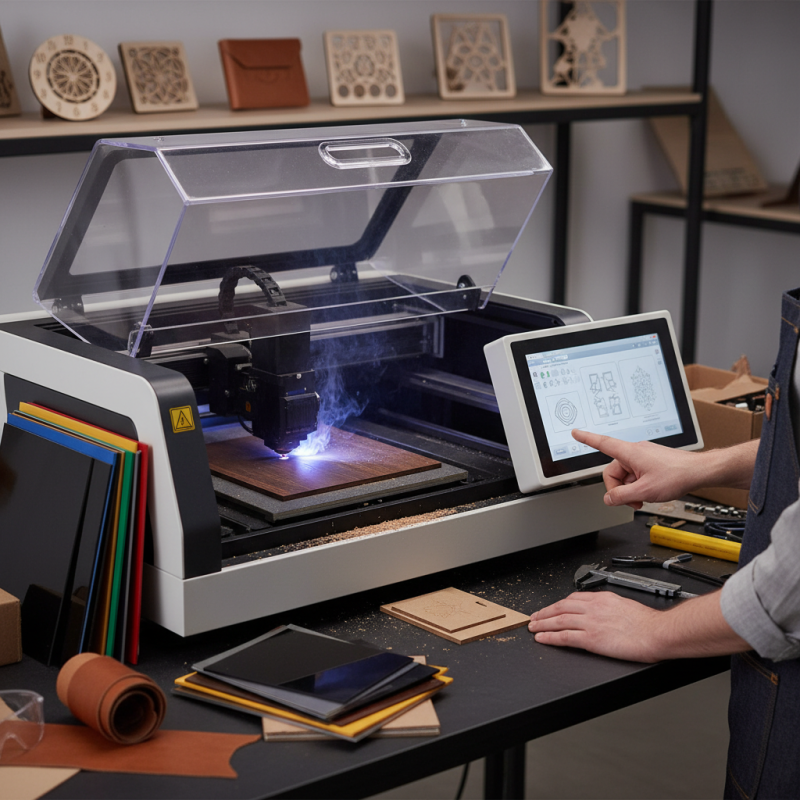
Choosing the right laser machine for your needs can be overwhelming. With so many options, it’s crucial to understand what suits you best. Different machines serve various purposes. Some are ideal for engraving, while others excel in cutting materials. Each type offers distinct features and capabilities.
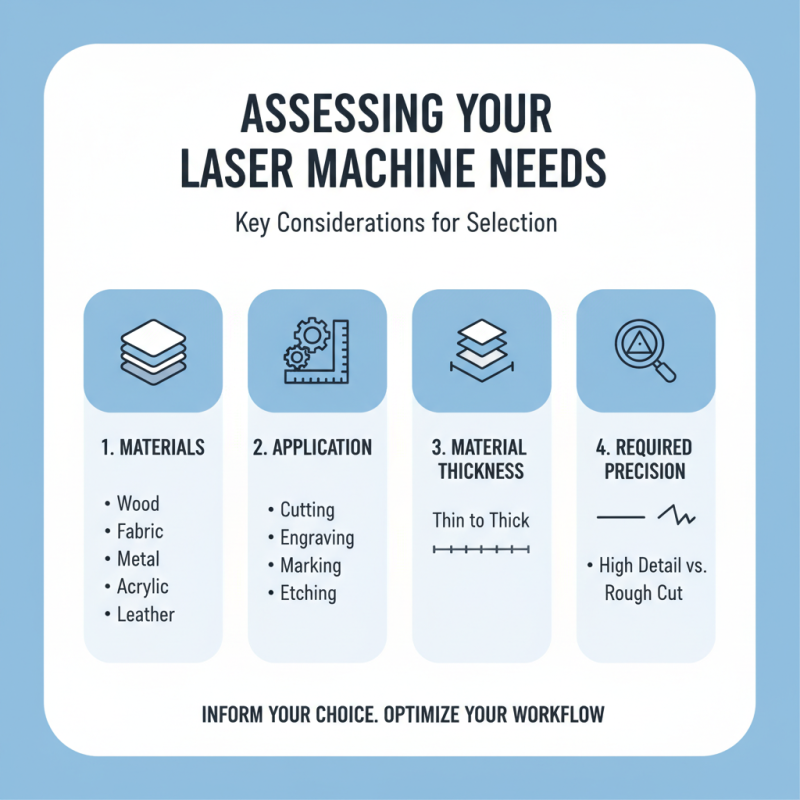
When selecting a laser machine, consider your specific requirements. Factors such as project size, material type, and budget play significant roles. You might feel unsure about where to start. Researching is essential, but be wary of misleading information.
The right machine can enhance your work efficiency and creativity. Reflecting on your goals will guide your decision. Ultimately, investing in a good laser machine can yield excellent results. However, the journey to finding the perfect one requires effort and careful thought.
Understanding Different Types of Laser Machines Available Today
When exploring laser machines, understanding the various types available is crucial. Today, there are primarily three categories: CO2, fiber, and solid-state lasers. CO2 lasers are known for their versatility. They excel in cutting and engraving wood, plastics, and glass. Their wavelength allows precise cutting; however, they may struggle with reflective metals.
Fiber lasers are gaining popularity due to their efficiency. They are particularly effective for metal applications. Research shows that fiber lasers can improve processing speed by up to 50% compared to CO2 lasers. However, they can be less effective on non-metal materials. Solid-state lasers offer flexibility and high precision. They are commonly used in industrial applications but may require specific configurations for optimal performance.
**Tip:** Before making a purchase, assess your primary use case. Will you work with metals or non-metals? This basic evaluation can significantly impact your choice.
Consider the total cost of ownership. Initial acquisition costs may hide future maintenance expenses. Not all machines offer the same durability. Ensure you invest in a system designed for longevity.
**Tip:** Always consult industry reports for updated performance data. Established guides can provide insights on the latest innovations and trends within the laser cutting industry.
How to Choose the Best Laser Machine for Your Needs? - Understanding Different Types of Laser Machines Available Today
| Type of Laser Machine |
Best For |
Typical Laser Source |
Cutting Thickness |
Application Area |
| CO2 Laser |
Wood, Acrylic, Leather |
CO2 Gas |
Up to 20 mm |
Sign Making, Crafting |
| Fiber Laser |
Metal Cutting |
Fiber Optics |
Up to 30 mm |
Industrial Manufacturing |
| Nd:YAG Laser |
Some Metals & Ceramics |
Neodymium-doped Yttrium Aluminum Garnet |
Up to 15 mm |
Medical, Jewelry |
| Diode Laser |
Flexible Materials |
Semiconductor Diodes |
Up to 5 mm |
Small Parts, Electronics |
| UV Laser |
Delicate Materials |
Solid-State Laser |
Up to 1 mm |
Packaging, Electronics |
Key Factors to Consider When Selecting a Laser Machine
Selecting the right laser machine involves various critical factors. One key aspect is understanding the machine's power and speed. For instance, machines with higher wattage can cut through materials faster and thicker. According to the Laser Institute of America, power levels of 100W to 150W are commonly sufficient for general use in many industries. However, if your work mainly involves delicate materials, lower power settings can offer better precision without damaging the substrates.
Additionally, the type of laser technology employed plays a significant role. CO2 lasers are excellent for engraving and cutting non-metal materials, while fiber lasers excel with metals. A report by Markets and Markets indicates that the fiber laser market is growing at a CAGR of over 10% due to their efficiency and lower operating costs. Understanding your specific applications can lead to a better machine choice.
Lastly, consider the machine's software and compatibility with different design applications. Some machines may offer intuitive interfaces, while others could be complex, potentially requiring additional training. This mismatch can result in a learning curve that affects productivity. Reflecting on these aspects can lead to more informed decisions, ensuring the selected machine aligns with your operational needs.
Evaluating Budget and Cost of Ownership
When evaluating the budget for a laser machine, consider the initial purchase cost. This can vary significantly based on machine type and features. High-quality machines may come with a steep price tag, but they often result in better performance and longevity. Weighing the upfront investment against potential returns is key. Make a list of essential features. Must-have features might increase the price, but can lead to higher efficiency or capabilities.
Maintenance costs are another critical factor. Regular maintenance ensures the machine operates optimally. Neglecting maintenance can lead to costly repairs. Think about the cost of replacement parts, too. Some machines have readily available parts. Others might require expensive or hard-to-find components. Factor these costs into your budget.
Operating costs are often overlooked. Energy consumption can add up, impacting your bottom line. Analyze how much power the machine consumes during operation. Moreover, training costs should be regarded. Employees might need training to use the machine effectively. This could mean additional expenses. Being mindful of these various factors will help in making a well-informed decision.
Comparison of Laser Machine Costs and Features
This chart illustrates the cost comparison of different types of laser machines. Entry-level machines are more affordable, while high-end options come with additional features and higher costs.
Researching Manufacturer Reputation and Support Services
When selecting a laser machine, the manufacturer’s reputation is crucial. A reliable brand often indicates quality and durability. Look for customer reviews and feedback. Authentic reviews from verified buyers can offer insights into the machine's performance. It's essential to identify if the manufacturer provides adequate customer support. This can be a game-changer, especially when issues arise.
Understanding support services can save you future headaches. Ask about warranties and service agreements. A reputable manufacturer will offer clear terms and conditions. Inquire about their response times for technical issues. Limited support can lead to prolonged downtime, affecting productivity. A solid reputation in the market usually signals good after-sale support.
Also, consider the manufacturer’s experience in the laser industry. Longevity and expertise can indicate reliability. However, not all older companies are the best. Some may become complacent. Newer brands can sometimes offer innovative solutions. Therefore, weigh both experience and innovation. Striking a balance between tradition and modernity could lead to better outcomes.