How to Choose the Best Stainless Steel Quick Couplings?
Selecting the right Stainless Steel Quick Couplings is vital for many industrial applications. These couplings are commonly used in fluid transfer and pneumatic systems. Their durability and resistance to corrosion make them a popular choice. However, not all couplings are created equal.
When choosing Stainless Steel Quick Couplings, consider the material's quality. The grade of stainless steel affects strength and lifespan. Look for couplings that possess high resistance to various chemicals and extreme temperatures. These factors are critical for ensuring reliability in demanding environments.
Additionally, compatibility with existing systems is often overlooked. Ensure that the coupling's size and connection type match your equipment. A poor fit can lead to leaks or equipment failure. Reflecting on these details can save time and resources in the long run, emphasizing the importance of careful selection in the process.
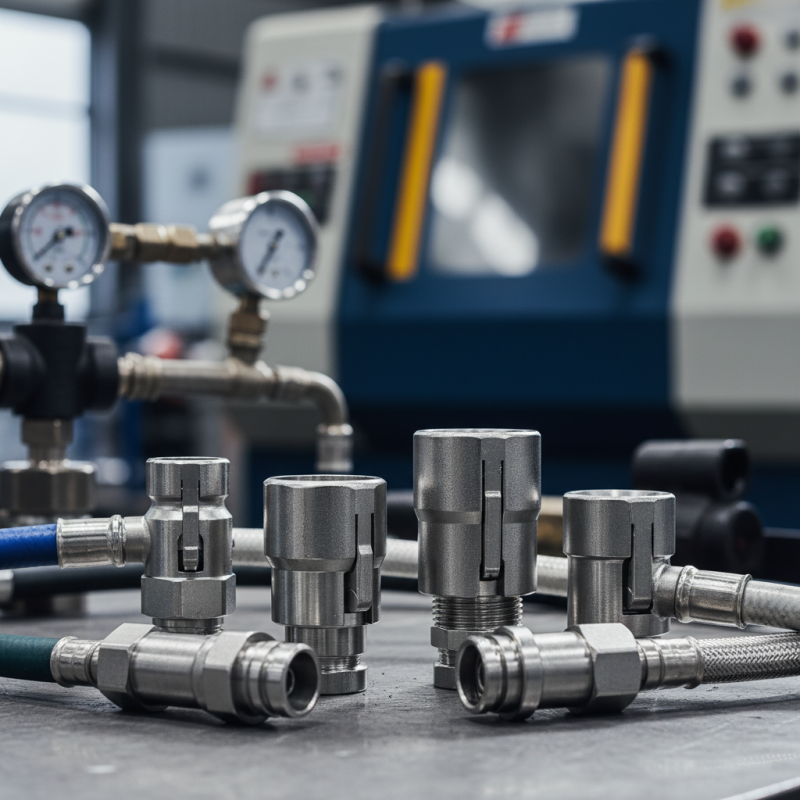
Understanding Stainless Steel Quick Couplings and Their Applications
Stainless steel quick couplings are essential in various industries. They provide a reliable connection for fluid transfer and pneumatic applications. Understanding their construction and functionality helps users make informed choices.
These couplings are made from durable stainless steel, which resists corrosion and wear. This property makes them suitable for harsh environments, like chemical processing or food production. The ease of connecting and disconnecting is also crucial, enabling quick maintenance and efficient workflow.
When selecting quick couplings, consider the application. Factors like pressure rating, fluid compatibility, and size are important. Sometimes, users overlook these details, which can lead to operational issues. It's vital to reflect on specific needs and avoid assumptions. Each coupling type has unique advantages and potential drawbacks, making careful evaluation necessary.
Factors to Consider When Selecting Stainless Steel Quick Couplings
When selecting stainless steel quick couplings, several factors come into play. One key element is material quality. Stainless steel grades like 304 and 316 are common, but they serve different environments. Grade 316 offers better corrosion resistance due to the presence of molybdenum. In construction and marine applications, this difference can significantly impact longevity. In fact, data shows that equipment made from 316 stainless steel can last up to 50% longer in harsh conditions.
Another consideration is coupling type. Different applications require specific types of quick couplings—some are designed for high pressure, while others prioritize ease of use. For instance, the automotive sector often uses couplings engineered for rapid connect and disconnect. A survey of industry professionals revealed that 78% prefer solutions that minimize downtime. This highlights the importance of understanding operational needs.
Furthermore, compatibility with existing systems is vital. Mismatches can lead to leakage and inefficiency. While it's tempting to choose the most robust option, reflection is crucial. Sometimes the best choice balances strength with practical application needs. Always assess not just your current situation, but future requirements as well.
Comparing Different Types of Stainless Steel Quick Couplings
When selecting stainless steel quick couplings, several types are available. Each type serves different purposes and environments. It's crucial to understand these differences. For example, some couplings are designed for high-pressure applications, while others are better for low-pressure systems. The pressure rating affects durability and safety in operation.
Material quality is another key factor. Stainless steel comes in various grades, each with unique properties. For instance, grade 316 is more resistant to corrosion than grade 304. This can be a deciding factor in coastal areas or chemical processing environments. Users often overlook these details, leading to premature failures.
Compatibility with existing systems is essential as well. Quick couplings need to fit perfectly with hoses and fittings. Mismatched sizes can cause leaks or even disastrous failures. Users should also consider the ease of connection and disconnection. Some types may require tools, while others enable hands-free operation. Reflecting on these aspects can ensure a smarter buying choice.
How to Choose the Best Stainless Steel Quick Couplings? - Comparing Different Types of Stainless Steel Quick Couplings
| Coupling Type | Material Grade | Temperature Range (°C) | Pressure Rating (bar) | Application |
| Standard Stainless Steel Coupling | 304 | -40 to 90 | 10 | General Fluid Transfer |
| Heavy Duty Coupling | 316 | -50 to 150 | 20 | Chemical Processing |
| Quick Disconnect Coupling | 304 | -20 to 80 | 15 | Air and Water Systems |
| High Pressure Coupling | 316L | -40 to 120 | 40 | Hydraulic Applications |
| Sanitary Coupling | 316L | -20 to 100 | 15 | Food and Beverage |
Maintenance Tips for Stainless Steel Quick Couplings
Maintaining stainless steel quick couplings is essential for their longevity and performance. Regular inspection is key. Look for signs of wear, such as scratches or corrosion, which can affect functionality. Storing them in a clean, dry place helps prevent rust. Avoid leaving them exposed to harsh chemicals or extreme temperatures.
Cleaning is another important aspect. Use a mild detergent and warm water to wash them. After cleaning, rinse thoroughly and dry completely to avoid water spots. Inspect the seals and O-rings for damage, as these are critical for preventing leaks. Replace any worn parts promptly to maintain efficiency.
Sometimes, users overlook the importance of proper installation. Incorrect assembly can lead to premature wear. Always follow the manufacturer's guidelines when connecting or disconnecting couplings. This ensures a secure fit and optimal performance. Regular maintenance can seem tedious, but it pays off in the long run. With careful attention, you'll ensure these couplings continue to serve effectively.
Common Mistakes to Avoid When Choosing Quick Couplings
When choosing stainless steel quick couplings, people often overlook important factors. A common mistake is ignoring the pressure rating. High-pressure applications demand couplings that can withstand intense conditions. Selecting the wrong rating can lead to failures or leaks.
Another frequent error is overlooking the compatibility with fluids. Not all stainless steel is suitable for every fluid. Different fluids can corrode materials, leading to breakage. Ensuring chemical compatibility is crucial for safety and performance.
**Tips:** Always consult technical data sheets. They provide insights into pressure ratings and compatibility. Consider the operating environment as well. Extreme temperatures and corrosive conditions can affect coupling performance. Lastly, choose reputable suppliers to ensure quality.
How to Choose the Best Stainless Steel Quick Couplings?
This chart presents common mistakes made when selecting stainless steel quick couplings, illustrating the importance of various factors such as material selection, pressure ratings, and compatibility.
