Why Choose Tube Laser Cutting for Your Manufacturing Needs?
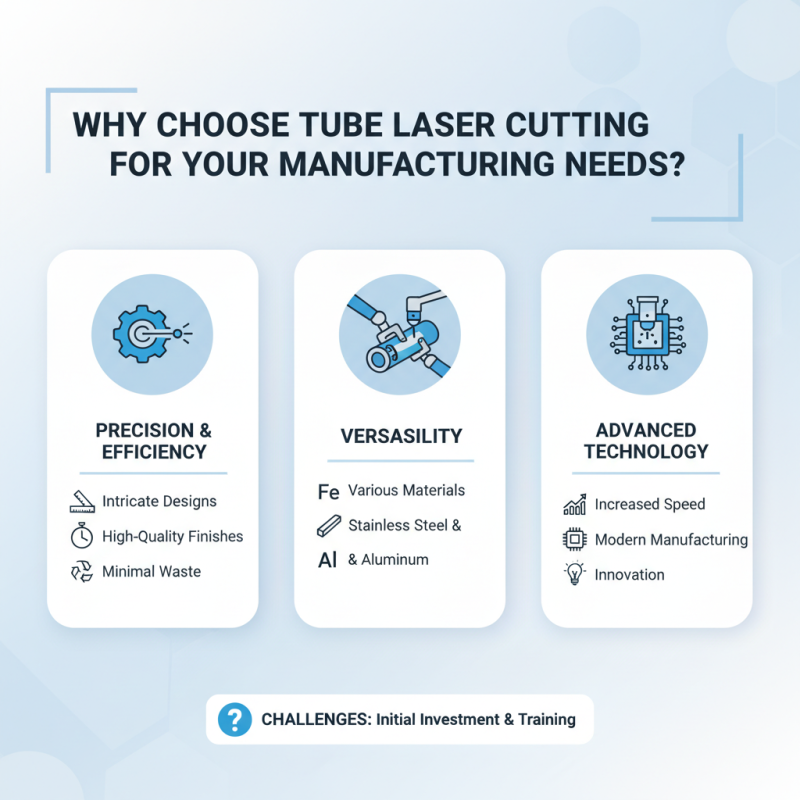
In today's competitive manufacturing landscape, precision and efficiency are paramount. Tube laser cutting offers unique advantages for various industries. This technology allows for intricate designs and high-quality finishes that traditional methods struggle to achieve.
Imagine a process where complex shapes are cut with minimal waste. Tube laser cutting provides that capability. It utilizes advanced laser technology to cut different materials with precision and speed. Many manufacturers are adopting this method to stay ahead. However, some are hesitant to transition due to unfamiliarity with the technology.
The flexibility of tube laser cutting cannot be underestimated. It accommodates a variety of materials, including metals like stainless steel and aluminum. Despite its benefits, some challenges remain, such as initial investment costs and training requirements. Understanding these aspects is crucial for making informed decisions.
Benefits of Tube Laser Cutting in Modern Manufacturing
Tube laser cutting has transformed modern manufacturing. This technique allows for precision that traditional cutting methods struggle to achieve. With high accuracy, manufacturers can create intricate designs. The ability to handle various tube shapes is a game-changer. It enhances versatility and opens new design possibilities.
One significant benefit is the reduction in material waste. Laser cutting minimizes excess while maintaining structural integrity. Companies must ensure proper material use, yet some still struggle with efficiency. Speed is another advantage. Laser cutting processes are faster than manual methods. However, operators need training to maximize effectiveness. The technology does have a learning curve, which can lead to initial mistakes.
Cost-effectiveness is a concern for many businesses. While the initial investment is high, savings on labor and materials can offset this. Manufacturers need to analyze long-term benefits versus upfront costs. Balancing investment and operational efficiency can be tricky. Some companies might need to rethink their strategies to fully harness this technology. Proper planning and foresight can lead to significant gains.
Overview of Tube Laser Cutting Technology and Its Applications
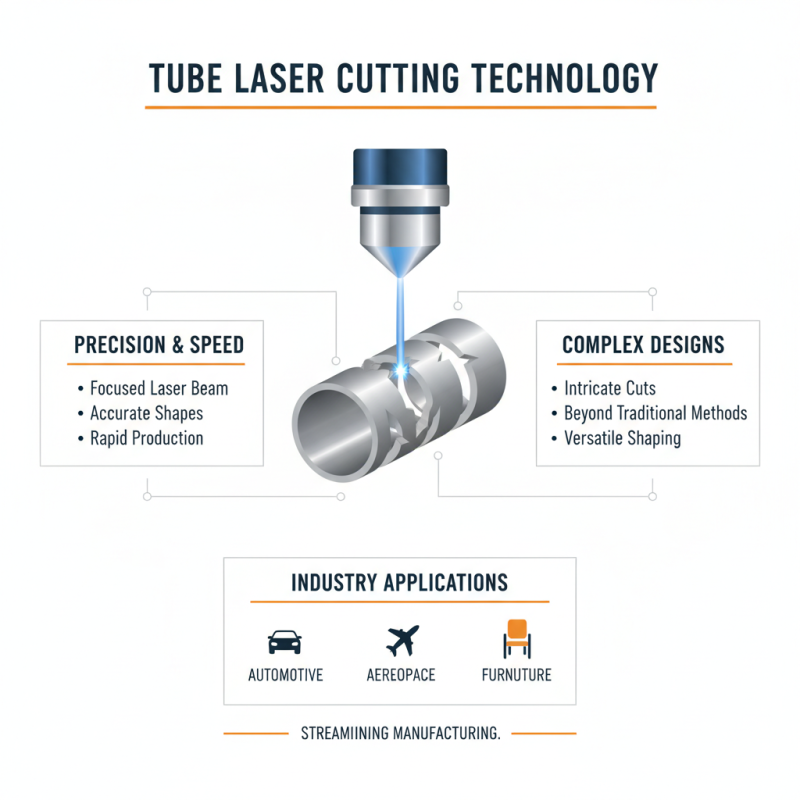
Tube laser cutting is a modern technology that streamlines manufacturing processes. It uses focused laser beams to cut tubes and pipes into precise shapes. This technology is known for its accuracy and speed. Manufacturers can achieve intricate designs that traditional methods may struggle with. Many industries benefit from this method, including automotive, aerospace, and furniture manufacturing.
The versatility of tube laser cutting stands out. It can work with various materials, such as steel, aluminum, and copper. The ability to cut complex geometries enables better design flexibility. Quality control is improved, minimizing waste. However, the initial investment can be significant. Some manufacturers may hesitate to adopt this technology due to costs. Yet, the long-term benefits often outweigh these initial concerns.
Laser cutting offers seamless integration into existing production lines. The software used allows for easy modifications, enhancing efficiency. There’s also a learning curve for operators. Training is essential for maximizing this technology’s potential. Facing challenges during this phase is normal and can lead to greater proficiency. Embracing tube laser cutting can revolutionize manufacturing capabilities, but reflection on its implementation is vital.
Comparative Advantages of Tube Laser vs. Traditional Cutting Methods
Tube laser cutting has emerged as a popular choice in various manufacturing sectors. Compared to traditional cutting methods, it offers several key advantages. One significant benefit is precision. According to a report by the Laser Institute of America, tube laser cutting systems can achieve tolerances as low as ±0.1 mm. This level of accuracy often surpasses that of conventional methods, which can lead to material waste and increased production costs.
Speed is another critical factor. Laser cutting typically completes tasks much faster than traditional processes, like saw or plasma cutting. A study showed that laser cutting can be up to 50% quicker in processing metal tubes. This efficiency translates to reduced lead times and improved delivery schedules for manufacturers, allowing them to meet customer demands more effectively.
However, laser cutting doesn't come without challenges. The initial investment for laser cutting machines can be significant. Maintenance costs also need to be considered. While the quality is often higher, some may argue that traditional methods still hold value for simple tasks. In this constantly evolving industry, manufacturers must weigh these factors carefully to decide the best approach for their specific needs.
Comparative Advantages of Tube Laser Cutting vs. Traditional Cutting Methods
Cost Efficiency and Precision in Tube Laser Cutting Processes
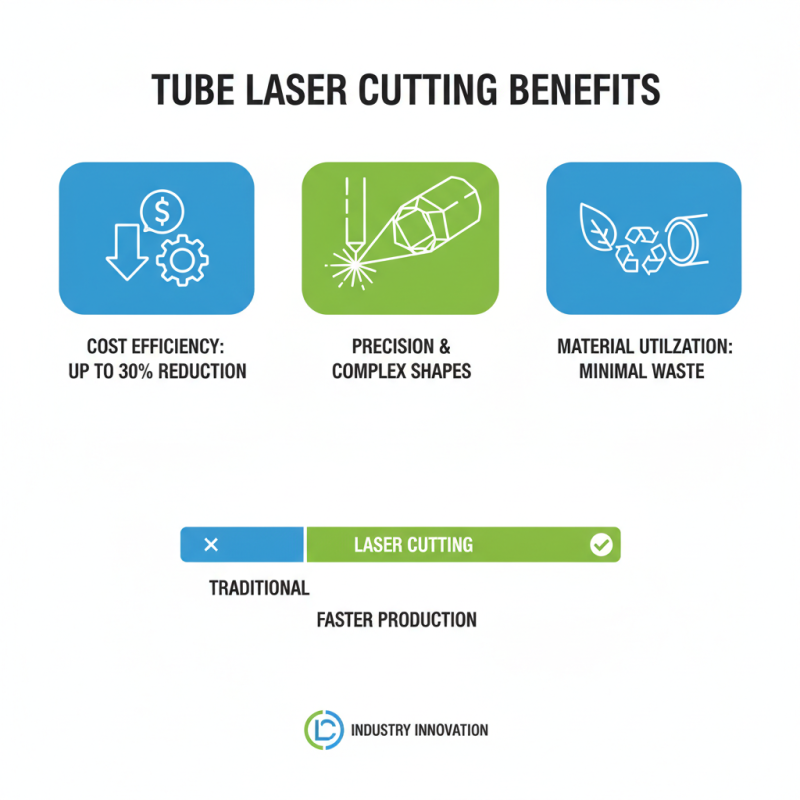
Tube laser cutting has become a popular choice in manufacturing due to its cost efficiency and precision. Recent industry reports suggest that laser cutting can reduce production costs by up to 30%. This is primarily due to lower operational costs and minimal waste generation. The process allows manufacturers to quickly cut intricate shapes in various materials. Higher material utilization leads to significant savings.
Precision is another major advantage of tube laser cutting. The technology provides accuracy within 0.1 mm, which is vital for critical components. A study found that companies using laser cutting reported a 50% decrease in post-processing work. Such accuracy not only meets tight tolerances but also enhances the overall quality of the products.
However, the initial setup cost can be daunting for some businesses. The technology requires a substantial investment in equipment. Moreover, operators need special training to maximize efficiency. This means that while the process offers long-term savings, the upfront expenses and training can deter smaller manufacturers. As the industry evolves, addressing these challenges will be crucial for wider adoption.
Future Trends in Tube Laser Cutting for Enhanced Manufacturing Solutions
The future of tube laser cutting is promising. Recent reports indicate that the global market for laser cutting technologies is projected to reach $8.61 billion by 2026. This growth reflects the increasing demand for precision manufacturing solutions. Companies are recognizing the efficiency of tube laser cutting in fabricating complex designs. This method allows for intricate cuts with minimal material waste. It opens opportunities for innovation in industries like automotive and aerospace.
Advancements in technology are making tube laser cutting even more appealing. New systems offer higher speed and better energy efficiency. They can cut through various materials, including metals and plastics. For instance, laser cutting machines can now process tubes with Wall thicknesses up to 12 mm with exceptional accuracy. However, not all manufacturers fully leverage this technology. Some still rely on traditional methods, risking inefficiencies. This gap highlights a need for training and adaptation in the workforce.
The trend also suggests an increasing integration of automation. Automated systems can enhance production times and reduce labor costs. Reports indicate that automated laser cutting can improve productivity by up to 25%. But automation brings challenges, like the need for skilled technicians to manage advanced systems. Manufacturers must strike a balance between embracing technology and ensuring their workforce is ready. The future of tube laser cutting hinges on innovation and adaptation.