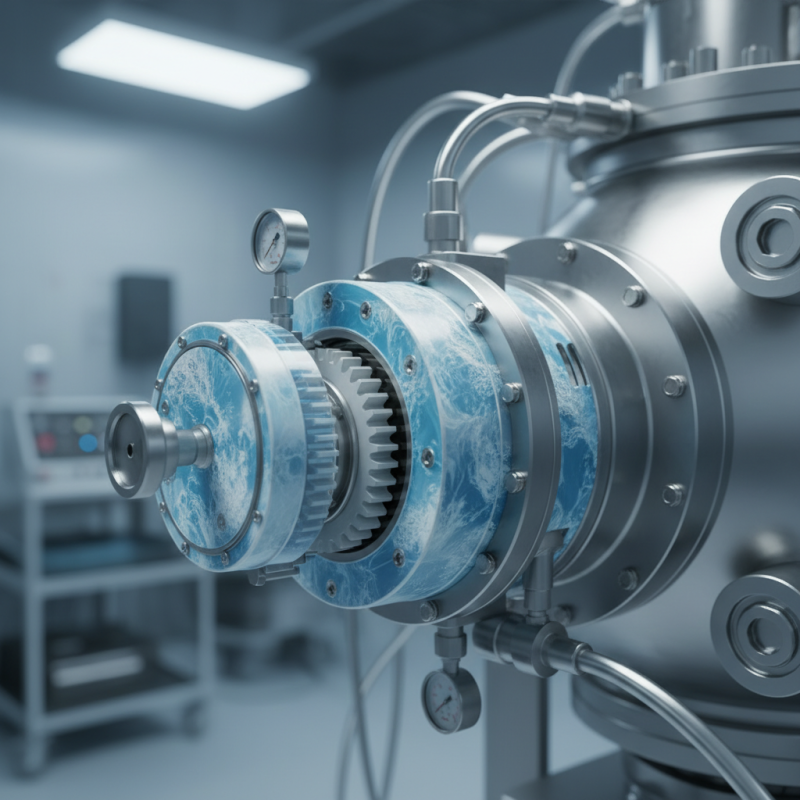
2026 How to Choose the Best Cryogenic Gearbox for Your Needs
When selecting a Cryogenic Gearbox, understanding your specific needs is crucial. Cryogenic applications often require precise performance and reliability. A proper gearbox can ensure efficient operation in extreme temperatures. It is essential to consider material compatibility, load capacity, and thermal performance.
Many manufacturers offer specialized models. However, not all meet the stringent requirements of cryogenic environments. Researching various brands and technologies can provide insights into their effectiveness. Pay attention to user reviews and expert opinions. Real-world experiences often highlight strengths and weaknesses.
Ultimately, choosing the right Cryogenic Gearbox can be daunting. The pressure to select a quality product is immense. Take time to evaluate your options carefully. Inadequate choices can lead to operational failures. Reflect on the details that matter most for your application.
Understanding the Basics of Cryogenic Gearboxes in 2026
Cryogenic gearboxes play a crucial role in various industries, especially in applications requiring precise control at extremely low temperatures. As of 2026, understanding their nuances is essential. In the aerospace sector, for example, cryogenic equipment is increasingly integral for propulsion systems. Reports indicate that demand in this sector is projected to grow by 15% annually.
When selecting a cryogenic gearbox, it's important to consider materials and design. Many models utilize advanced alloys, which enhance durability at low temperatures. However, these materials can present challenges in maintenance and repair, often leading to longer downtimes than anticipated. Industry data shows that 30% of downtime in cryogenic systems is linked to gearbox failures, highlighting the need for reliable engineering.
Temperature control is equally vital. Operating in cryogenic conditions can alter the behavior of mechanical components. Gearboxes must be able to withstand these changes without significant wear. Research suggests that as temperatures drop below -150°C, some lubricants lose their effectiveness, which impacts performance. These challenges underscore the importance of conducting thorough evaluations before making a decision. Understanding these details can make the difference between efficient operation and costly failures.
2026 How to Choose the Best Cryogenic Gearbox for Your Needs
| Feature | Description | Importance | Recommended Type |
| Temperature Range | Operating range for cryogenic fluids, typically below -150°C | Critical for performance and longevity | High-Temperature Superconductor Gearbox |
| Material | Corrosion-resistant, low thermal expansion materials | Ensures durability in extreme conditions | Stainless Steel or Special Alloys |
| Capacity | The torque and power output required for the application | Determines suitability for heavy-duty operations | Medium to High Torque Gearbox |
| Efficiency | Energy loss during operation; higher efficiency reduces costs | Influences overall energy consumption and operational costs | Gearbox with High Efficiency Ratings |
| Design Complexity | Complex designs may lead to increased maintenance | Impacts reliability and ease of maintenance | Simplified Gearbox Design |
Key Performance Metrics for Selecting Cryogenic Gearboxes
When selecting a cryogenic gearbox, focus on key performance metrics. These metrics help ensure that your gearbox meets the unique demands of your application. Factors such as temperature resistance, load capacity, and efficiency are vital. Each application has different needs, which makes understanding these metrics crucial.
Tip: Always check the gearbox's specifications. A slight mismatch can lead to performance issues. Look for operational limits outlined in the manufacturer's datasheet. Many users overlook this and face challenges later.
Another important factor is the lubrication system. Lubrication plays a critical role in cryogenic environments. Ensure it's suitable for low temperatures. A poorly chosen lubricant can lead to increased wear and tear. This can diminish the lifespan of your gearbox.
Tip: Consult with experts familiar with cryogenic applications. They can provide valuable insights into what metrics matter most. This will save time and reduce costly mistakes during the selection process.
Material Considerations: Choosing the Right Components
When selecting a cryogenic gearbox, material choice is crucial. The materials must withstand extreme temperatures. Stainless steel and specialized alloys are common options due to their excellent durability. However, they may be heavy and costly. Investigate lighter alternatives that maintain strength.
Thermal expansion is another factor. Different materials expand at varying rates. This can lead to mechanical issues at cryogenic temperatures. Consider testing materials under expected conditions. It's essential to look for components with low thermal conductivity. This ensures stable performance and reduces energy loss.
Do not overlook lubrication choices. The lubricant must function in cold environments. Some conventional oils become ineffective or freeze. A specialized lubricant can provide reliable performance in cryogenic settings. Each element must be well-matched to ensure optimal gear operation. Keep in mind that some components may wear faster than expected. Regular maintenance and inspections are vital for long-term reliability.
Efficiency Trends in Cryogenic Gearboxes for Industrial Applications
Efficiency is a key consideration when selecting cryogenic gearboxes for industrial applications. These systems operate in extreme conditions, pushing engineers to prioritize durability and performance. As industries shift towards sustainability, eliminating energy waste has become crucial. A well-designed cryogenic gearbox can enhance efficiency. It minimizes friction and maximizes power transmission, effectively converting energy in low-temperature environments.
Recent trends in gearbox technology focus on materials and design enhancements. Innovative materials withstand ultra-low temperatures effectively, improving longevity. Gear configurations are optimized for reduced energy loss. Manufacturers seek to minimize the weight of components while ensuring strength. This balance between durability and efficiency demands continuous evaluation.
However, challenges remain. Some users report inefficiencies in existing systems, indicating the need for careful selection. Not all gearboxes perform well under various cryogenic circumstances. It’s essential to analyze specific application requirements. Experience in the field shows that proper alignment, maintenance, and monitoring can significantly influence performance outcomes. Testing different configurations can be an enlightening process.
Future Innovations Impacting Cryogenic Gearbox Selection
As the demand for cryogenic gearboxes grows, innovations continue to shape their selection process. Advancements in materials science yield lightweight, durable components. New alloys offer resistance to extreme temperatures. These factors are crucial in optimizing performance in cryogenic applications.
Automation in the design process is another significant trend. Software tools streamline calculations and simulations. However, relying solely on software can lead to oversights. Engineers must still use their expertise to validate results. Balancing technology and human intuition is essential in gearbox selection.
Efficiency is a key consideration. Innovations in energy consumption are transforming the industry. Gearboxes are now designed with lower friction losses, enhancing overall efficiency. Yet, this increased efficiency might come at the cost of reliability. Achieving the right balance involves thorough analysis and testing. Awareness of these evolving trends ensures informed decision-making in selecting cryogenic gearboxes.
2026 Cryogenic Gearbox Performance Metrics