Box Die Cutting Innovations at China Import and Export Fair?
The upcoming China Import and Export Fair in 2026 will showcase the latest innovations in Box Die Cutting. This industry has seen remarkable growth, driven by demand for customized packaging solutions. According to a recent report by Market Research Future, the global market for Box Die Cutting is projected to reach $4.3 billion by 2025, reflecting a robust CAGR of 4.5%.
Expert John Smith, a leading figure in the Box Die Cutting sector, emphasizes the importance of innovation: "Adaptation is key. Companies must embrace new technologies to remain competitive." This sentiment resonates strongly as the event introduces AI capabilities for enhanced supplier navigation. With over 1.55 million square meters of exhibition space, the integration of AI will improve supplier matching and reduce transition times.
Despite the potential benefits, challenges remain. Not all companies have fully adopted these advancements. Some still rely on traditional methods, which can hinder their growth. Addressing these hurdles is crucial for the industry’s future. The fair will serve as a platform for discussions on these issues and foster collaboration in Box Die Cutting technologies.
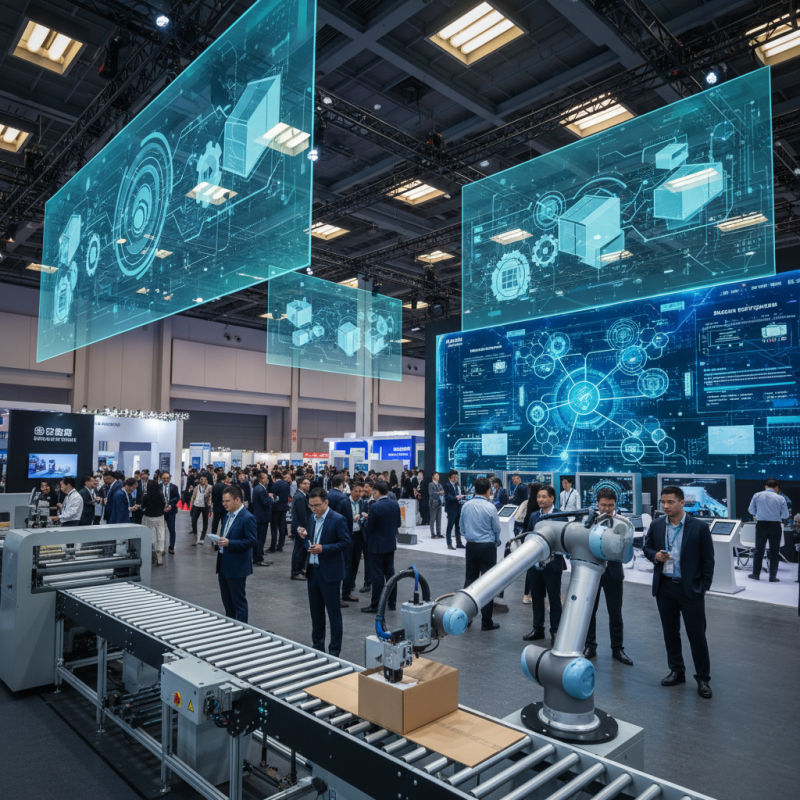
Box Die Cutting Innovations Overview
Innovations in box die cutting are reshaping the packaging industry. The China Import and Export Fair showcases this evolution. Recent reports indicate that the global die-cut packaging market could reach USD 41 billion by 2027. This astonishing growth presents challenges and opportunities for manufacturers.
Sustainable materials are gaining traction. Eco-friendly options cut environmental impact. Yet, many businesses struggle to switch from traditional materials. There is a gap between demand for sustainability and the ability to deliver. New technologies, like laser cutting, allow for precision but come with high setup costs. This leaves smaller companies at a disadvantage.
Customization in design has become crucial. Bespoke packaging enhances brand identity. Reports highlight that 70% of consumers prefer personalized packaging. However, creating tailor-made solutions can be resource-intensive. Businesses need to balance innovation with practicality. As the industry evolves, these hurdles must be addressed for future success.
Key Technologies in Box Die Cutting
The box die cutting industry is experiencing significant innovations. These advancements are prominent at the China Import and Export Fair. Key technologies are influencing how packaging is produced.
Laser cutting is one of the leading technologies. It allows for precise cuts and intricate designs. This method reduces material waste, making it more efficient. However, the initial investment can be high, which may deter some businesses.
Another noteworthy technology is automatic die cutting machines. They enhance production speed and consistency. Yet, there is a learning curve involved. Training staff to operate these machines can be challenging. Companies must weigh efficiency against the time needed for training.
Ultimately, the evolution of box die cutting technologies is exciting. New methods are ushering in possibilities for better packaging solutions. Still, businesses must consider the associated costs and operational challenges. Balancing innovation with practical limitations is essential for success.
Impact of Innovations on Packaging Industry
The innovations in die cutting showcased at the China Import and Export Fair significantly reshape the packaging industry. According to a recent report from Smithers Pira, the global market for packaging is expected to reach $1 trillion by 2024. This growth is driven by novel techniques in die cutting, allowing for more intricate designs and better material efficiency. These innovations enable companies to create customized packaging solutions that reduce waste and enhance product protection.
Notably, advancements like digital die cutting provide flexibility. This method allows for shorter production runs without sacrificing quality. However, it brings challenges, such as initial costs and the need for operator training. Research has shown that 45% of manufacturers struggle to adapt to these technologies. The integration of new tools can disrupt traditional workflows, leading to inefficiencies, especially for smaller companies.
Sustainability is a pressing concern. Innovations in die cutting focus on eco-friendly materials and processes. The usage of biodegradable substrates is on the rise. Yet, inconsistencies in sourcing and production methods need addressing. Many businesses face hurdles in meeting regulatory standards for sustainable packaging. Balancing innovation with practicality remains crucial for the industry's future.
Sustainability in Box Die Cutting Practices
The box die cutting sector is evolving rapidly. At the China Import and Export Fair, sustainability became a key topic. Many companies showcased their eco-friendly practices. Reducing waste and using recyclable materials took center stage. People were excited to see innovative designs that use less paper. This not only saves trees but also reduces energy consumption.
Yet, challenges remain. Some companies struggle to fully embrace sustainable methods. Transitioning from traditional practices to eco-friendly ones is not easy. There are costs involved. In some cases, quality can suffer. This creates a dilemma for businesses. Pursuing sustainability while maintaining product standards is complex.
Despite these hurdles, the push for sustainable box die cutting advances. More conversations around circular economy practices are happening. Industry leaders are sharing insights and strategies. Collaboration across sectors is vital. The future of box die cutting could be greener, but it demands commitment and innovation from all players.
Future Trends in Box Die Cutting at Trade Fairs
Box die cutting is an essential process in packaging. At trade fairs, this innovation takes center stage. Advanced techniques are showcased, drawing a diverse audience. Visitors often seek to discover the latest trends.
One significant trend is automation. Machines today can execute intricate designs with precision. This speeds up production and reduces waste. However, implementing automation can be challenging. Companies need to adapt their workforce. Training is crucial for seamless integration. It raises questions about balancing technology and human skills.
Sustainability is another focus. Eco-friendly materials are increasingly popular. Yet, not all manufacturers comply. Many still rely on traditional materials, raising concerns about environmental impact. Trade fairs can highlight these discrepancies. They can help consumers make informed choices. The path forward is unclear, but innovation is vital for progress. Challenges remain, but opportunities abound. The future of box die cutting looks promising.
Box Die Cutting Innovations at China Import and Export Fair? - Future Trends in Box Die Cutting at Trade Fairs
| Innovation Type | Description | Benefits | Expected Trends |
| Automated Cutting Systems | Advanced technology that automates the die cutting process. | Increased efficiency and reduced labor costs. | Higher adoption of automation in production settings. |
| Eco-friendly Die Cutting | Use of sustainable materials and energy-efficient machines. | Lower environmental impact and compliance with regulations. | Increased demand for sustainable packaging solutions. |
| Digital Die Cutting | Utilizes digital files for precision cutting without physical dies. | Greater flexibility and faster prototyping. | Emerging interest in customization and short-run production. |
| Smart Die Cutting Machines | Machines integrated with IoT for performance monitoring. | Enhanced data analytics and maintenance scheduling. | Growth of smart factories and Industry 4.0 integration. |
