How to Choose the Best WPC Decking Floor Supplier?
Choosing the right Wpc Decking Floor Supplier is crucial for a successful project. According to the latest industry reports, the global wood-plastic composite market will reach $9 billion by 2027. This rapid growth highlights the importance of selecting a reliable supplier who offers quality products. Factors such as durability, design, and sustainability should be considered when making this choice.
Many homeowners and builders often overlook the need for thorough research. Not all suppliers provide the same level of expertise or materials. A high-quality WPC decking supplier not only offers superior products but also supports clients with knowledgeable advice. It's essential to understand that pricing can vary significantly, which may reflect product quality and supplier reliability.
Consider reviews and testimonials while evaluating potential suppliers. Many clients report dissatisfaction when their chosen supplier does not meet expectations. Reviewing these experiences can help identify reliable options and avoid common pitfalls. A well-informed choice will ultimately lead to a successful decking project, enhancing both aesthetics and functionality.
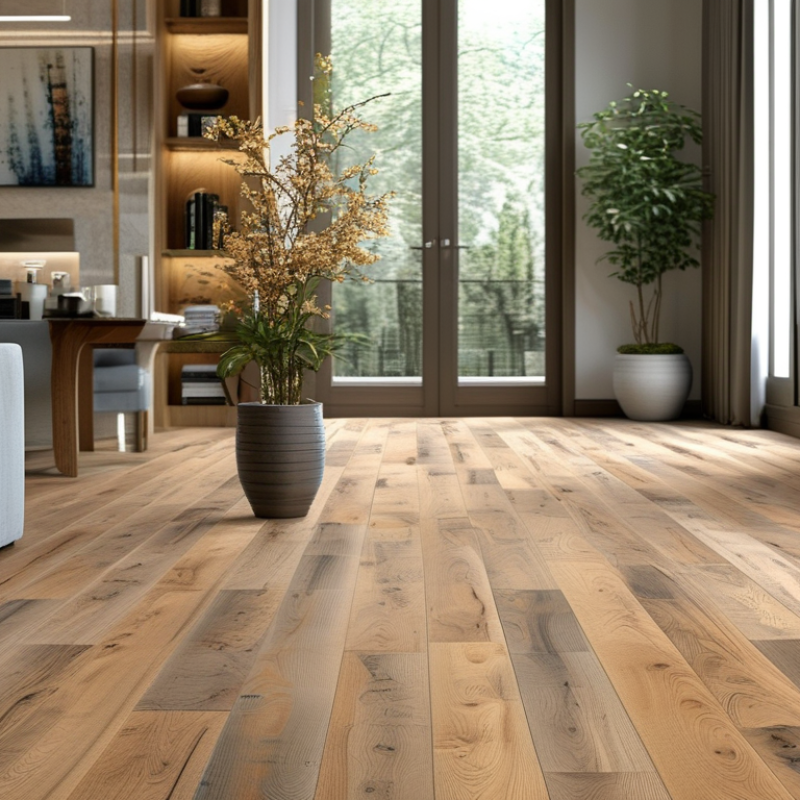
Understanding WPC Decking: Key Features and Benefits
WPC decking combines wood fibers and plastic for a unique flooring option. This material is known for its durability and low maintenance requirements. Homeowners often choose it for outdoor spaces, such as patios or decks. Unlike traditional wood, WPC decking resists rot, insects, and warping.
One key benefit is its environmental appeal. Many WPC products are made from recycled materials, making them a sustainable choice. They can look just like natural wood but require less upkeep. However, some may find the feel and aesthetics less authentic compared to traditional wood. It’s essential to weigh these aspects against your expectations.
WPC decking also offers various colors and finishes, enabling customization for your project. It’s crucial to consider the warranty and technological advancements, as not all suppliers have the same standards. Some products may fade over time or become slippery when wet. Understanding these features helps make an informed decision. Consider consulting with experts to ensure you select the right option for your needs.
Identifying Reputable WPC Decking Suppliers
When selecting a reputable WPC decking supplier, it’s crucial to assess their experience and expertise. In the U.S. alone, the WPC market is projected to reach $5.5 billion by 2027, showcasing a growing interest in these materials. A supplier with a solid track record and industry experience is often more reliable. Look for companies that have been in the market for over five years, as they likely have established trust and compliance with quality standards.
Product certifications play a vital role in establishing credibility. Ensure that your potential supplier provides products that meet ASTM standards, which guarantee quality and performance. A supplier that showcases environmental certifications is also preferable. According to the Green Building Council, using sustainable materials can contribute to LEED certification for your project. This shows a commitment to both quality and environmental responsibility.
Customer feedback is another important indicator of a supplier's reliability. Check reviews and testimonials to gauge the experiences of previous clients. A company with strong customer service is worth considering. However, be cautious of suppliers with overwhelmingly positive feedback, as they may be filtered or manipulated. An honest assessment of both good and bad reviews can provide a clearer picture of what to expect.
How to Choose the Best WPC Decking Floor Supplier? - Identifying Reputable WPC Decking Suppliers
| Supplier Location | Years in Business | Certifications | Customer Reviews Rating | Product Range Variety |
| North America | 10 years | ISO 9001, CE | 4.5/5 | High |
| Europe | 8 years | FSC, ISO 14001 | 4.7/5 | Medium |
| Asia | 5 years | BSCI, CE | 4.2/5 | Low |
| Australia | 12 years | GreenGuard, ISO 9001 | 4.6/5 | High |
| South America | 7 years | ISO 14001, FSC | 4.3/5 | Medium |
Evaluating Quality: What to Look for in WPC Products
When evaluating WPC (Wood Plastic Composite) products, quality is paramount. Look for clear signs of durability. High-quality WPC should resist fading, splintering, and moisture. Touch the sample. A smooth finish indicates good manufacturing standards. Friction test can reveal slip resistance, essential for safety.
Check the material composition. A blend of wood fibers and plastic should balance the aesthetic and performance. Research the supplier's expertise in creating WPC products. Experience often translates to better quality control. Certifications from recognized organizations can add to a supplier's credibility. These endorsements show adherence to industry standards.
Consider warranty options. A strong warranty reflects the manufacturer’s confidence in their product. If a supplier hesitates to offer one, ask why. Transparency about manufacturing processes is also crucial. Seek out testimonials or reviews to gauge previous customer satisfaction. Remember, a supplier’s reputation often lies in their consistency and reliability over time.
Comparing Prices and Services Among Suppliers
When selecting a WPC decking floor supplier, comparing prices and services is essential. The WPC decking market is projected to reach approximately $5.5 billion by 2027, as reported by industry analysts. This growth reflects a rising demand for sustainable materials. However, variations in pricing can be significant among suppliers.
Some providers may offer lower costs but compromise on quality. According to a survey by an industry expert, about 30% of consumers reported dissatisfaction due to subpar products. Conversely, premium suppliers often provide better warranties and customer service, which can justify higher prices. For instance, a supplier with a solid track record tends to have longer-lasting products backed by extensive warranties.
Collecting quotes from multiple suppliers can reveal discrepancies. It's not unusual for prices to vary by as much as 20-30%. Always verify the credentials of suppliers. Look for industry certifications and customer testimonials. Engaging with both local and online suppliers can provide insights into service levels and responsiveness. Remember, the cheapest option may not always deliver the best value. Balancing cost with quality is crucial for informed decision-making.
Comparison of WPC Decking Floor Suppliers
Assessing Customer Reviews and Feedback for Suppliers
When selecting a WPC (Wood Plastic Composite) decking floor supplier, customer reviews and feedback are essential. They provide insights into the product's quality and the supplier's reliability. According to a recent industry report, 87% of consumers read online reviews before making a purchase. This statistic underscores the significance of evaluating supplier feedback.
Look for reviews that address durability, appearance, and maintenance issues. A supplier with a pattern of positive feedback in these areas is likely to be more reliable. However, be cautious of a single glowing review. It's essential to assess multiple sources. For instance, platforms like Google Reviews or industry-specific forums offer a broader perspective. Remember, every product has its pros and cons. Some customers may mention fading or scratching after prolonged use. These are valid concerns to consider.
Tips: Always check for detailed customer experiences. Focus on images shared by customers to see the real-world look of the decking. Pay attention to suppliers responding to negative reviews. This shows accountability and willingness to fix issues. These aspects significantly enhance trust and indicate supplier professionalism. Prioritize suppliers with transparent communication and a strong after-sales support system.
