Best Metal Laser Cutter for Precision Cutting Solutions?
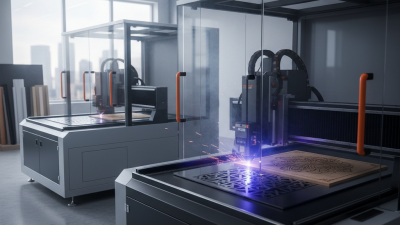
In the ever-evolving realm of manufacturing, precision is critical. A metal laser cutter stands at the forefront of this precision revolution. Experts like Dr. Emily Chen emphasize its significance. She states, "A high-quality metal laser cutter can change the dynamics of metal fabrication." This insight reflects the transformative power of advanced cutting technologies.
Choosing the best metal laser cutter requires careful consideration. Factors such as cutting speed, thickness capacity, and software compatibility play essential roles. For instance, a cutter that can handle varied materials is crucial for diverse projects. The landscape is filled with options, and not all cutters are created equal. Some lack the reliability or precision needed for intricate designs.
While many metal laser cutters boast advanced features, the user's experience often varies. It’s essential to reflect on user reviews and real-world performance. A cutter might perform well on paper but fail in practical applications. This highlights a gap between expectation and reality in the industry. Careful research can bridge this divide, ensuring that the chosen tool meets the project’s demands effectively.
Overview of Metal Laser Cutting Technology
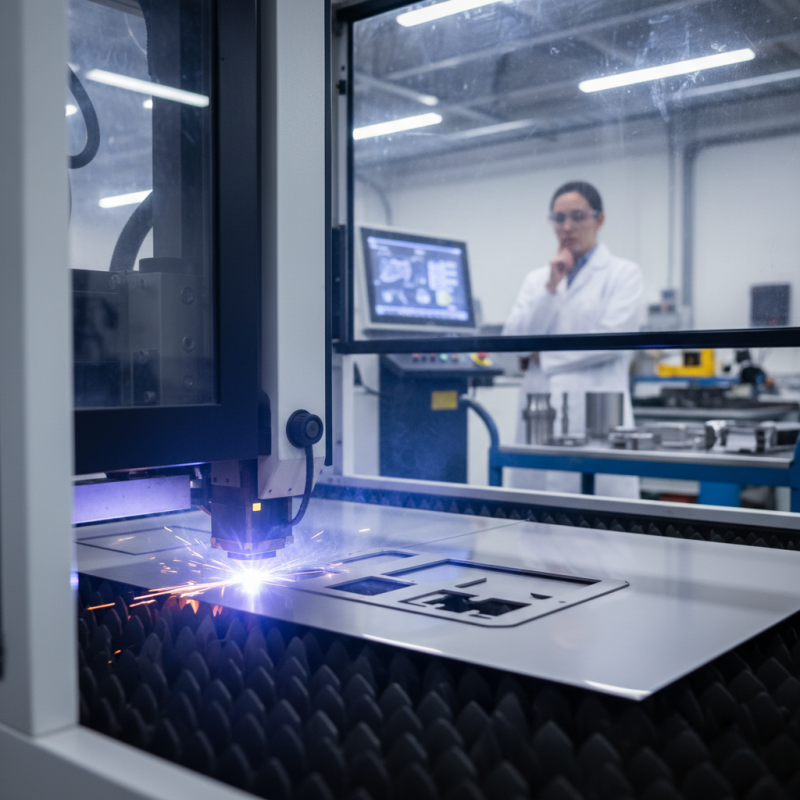
Metal laser cutting technology has transformed how industries approach precision cutting. It employs high-powered lasers to slice through metal with extraordinary accuracy. This technology is effective for various metals, including steel, aluminum, and copper. The result is clean edges and intricate designs that were hard to achieve with traditional methods.
One of the key advantages of laser cutting is its versatility. Different thicknesses and shapes can be processed with ease. However, it requires careful calibration. Inadequate settings can lead to subpar cuts or wasted materials. Operators must invest time in understanding machine settings and material types. Each job presents unique challenges that demand attention to detail. This iterative learning process can help refine skills over time.
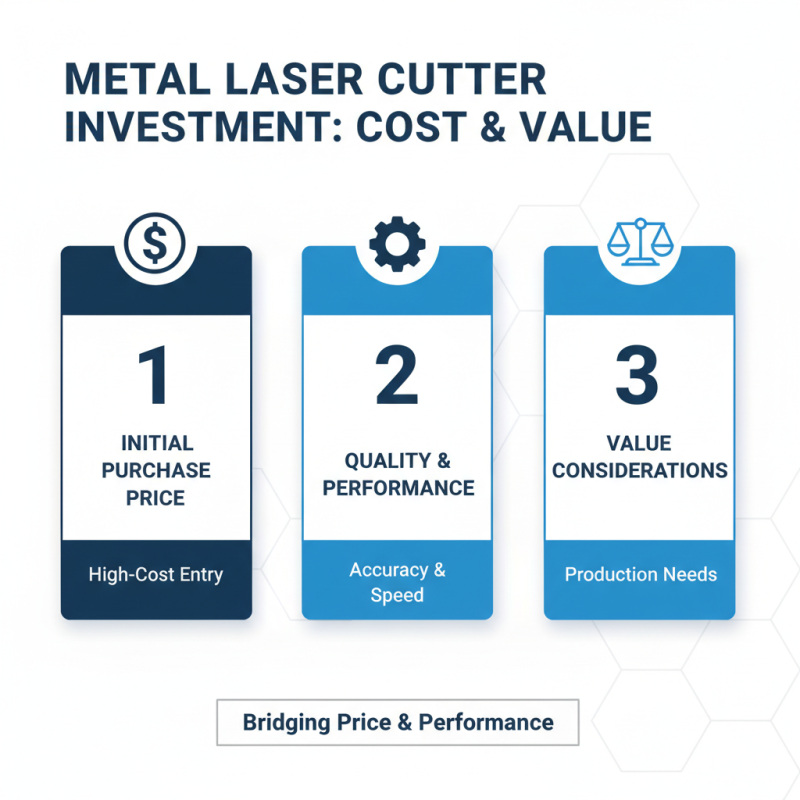
Despite its many benefits, laser cutting does not come without limitations. The initial cost of equipment can be high. Maintenance can also be complex and costly. Moreover, when dealing with thick materials, the cutting speed may slow down. This can lead to productivity concerns. Continuous learning and adaptation in this field are necessary for success.
Best Metal Laser Cutter for Precision Cutting Solutions
This bar chart represents the key performance metrics of metal laser cutters for precision cutting solutions. The metrics include cutting speed, maximum material thickness, precision, and cost. This data can help in understanding the capabilities and investments required for using metal laser cutting technology.
Key Features to Look for in a Metal Laser Cutter
When selecting a metal laser cutter, precision is key.
One critical feature to consider is the laser type. Fiber lasers typically offer better efficiency and precision for cutting metal. Industry reports highlight that fiber lasers can cut through materials up to 25 mm thick, providing superior edge quality. This is essential for applications requiring tight tolerances.
Power output is another vital aspect. A cutter with a higher wattage allows for faster cutting speeds while maintaining accuracy. A recent survey indicates that machines with 2000 watts can increase production speed by up to 50% compared to lower power units. However, higher power can also lead to material distortion if not managed properly. Users must find a balance between power and precision.
Lastly, automation capabilities can enhance performance. Advanced models include features like automatic focusing and material detection. According to research, automated systems can reduce setup times and minimize errors. Yet, these systems can complicate maintenance and repairs. Potential buyers should weigh the benefits against potential downsides.
Top Brands and Models for Precision Laser Cutting
When looking for precision in metal cutting, a laser cutter stands out. These machines offer clean cuts in various materials, from steel to aluminum. The best models have powerful lasers and advanced optics. They provide unparalleled accuracy, making them essential in many industries.
Several brands offer unique features. Some focus on speed, while others emphasize precision. It's crucial to consider the application. A machine that excels in one area might fall short in another. Users should assess their specific needs before investing. Each model has its pros and cons.
Maintenance can also be challenging. Routine checks are necessary to keep the machinery in top shape. Sometimes, a simple lens cleaning can make a significant difference in performance. Not every user will notice when their machine needs attention. This affects overall quality and efficiency. Hence, regular monitoring is vital to ensure optimal operation.
Applications of Metal Laser Cutters Across Industries
Metal laser cutters are transforming various industries with their precision and efficiency. In manufacturing, they create intricate designs for parts used in machinery. The automotive sector benefits greatly from laser cutting. It produces lightweight components that enhance performance. From brackets to intricate gears, the applications are vast.
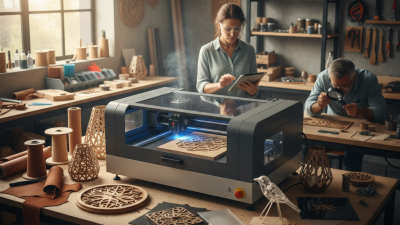
In the aerospace industry, precision is critical. Laser cutting machines provide the accuracy needed for complex shapes in airframes and engines. Surgical instruments also rely on these tools. Their ability to create thin, precise edges improves functionality in medical environments. Artists and designers, too, are leveraging this technology for innovative metal artwork.
Despite the benefits, challenges exist. Ensuring consistent quality can be tough. Variations in material can affect performance. Operators must continually monitor settings and make adjustments. This learning process is crucial but can be frustrating. In the rapidly changing landscape of technology, adapting and refining skills remains essential for achieving optimal results.
Best Metal Laser Cutter for Precision Cutting Solutions
| Application |
Industry |
Material Type |
Cutting Thickness (mm) |
Precision Level |
| Automotive Parts |
Automotive |
Steel |
1-10 |
High |
| Metal Artwork |
Art & Design |
Aluminum |
0.5-5 |
Very High |
| Component Fabrication |
Manufacturing |
Stainless Steel |
1-12 |
Medium |
| Structural Steel |
Construction |
Carbon Steel |
5-20 |
Medium to High |
| Circuit Boards |
Electronics |
Copper |
0.1-2 |
Very High |