Top 10 Benefits of Using Tube Laser for Your Business?
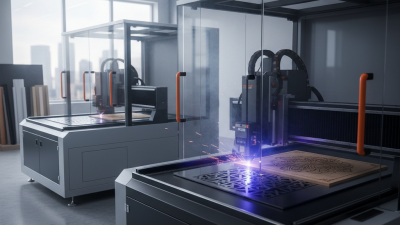
In today's fast-paced manufacturing landscape, the advantages of using tube laser technology stand out significantly. John Smith, a renowned expert in the tube laser industry, emphasizes, "Tube lasers transform the way we approach precision cutting." This innovative technology allows businesses to tackle complex designs with unparalleled accuracy and efficiency.
The benefits of tube laser extend far beyond enhanced precision. With capabilities to cut various materials and shapes, manufacturers can streamline production processes. Moreover, tube lasers provide flexibility, adapting seamlessly to changing market demands. Companies often find they reduce waste and lower costs, making the investment worthwhile.
Despite these advantages, some businesses face challenges in integrating tube laser systems. The learning curve can be steep, requiring additional training for staff. Recognizing these shortcomings is crucial for maximizing the benefits. In exploring the top 10 benefits of tube laser technology, one must consider both the gains and the potential obstacles. Balancing innovation with practical implementation remains vital for success in this niche.
Advantages of Precision Cutting with Tube Lasers
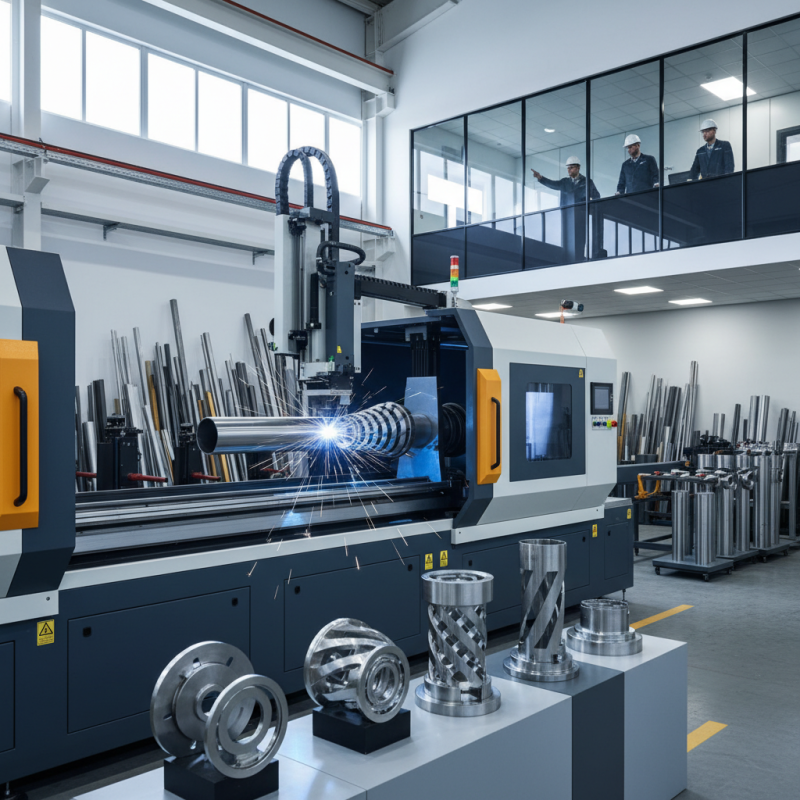
Precision cutting with tube lasers revolutionizes manufacturing processes. These machines cut metal tubes with exceptional accuracy. Their ability to make intricate cuts reduces material waste significantly. This efficiency translates into cost savings for businesses. Additionally, tube lasers handle various materials and thicknesses, providing versatility to manufacturers.
The speed of tube laser cutting shines in production environments. Quick turnaround times allow businesses to meet tight deadlines. Companies often face challenges with manual cutting methods. They can introduce errors and slow productivity. Tube lasers minimize these risks, ensuring consistent quality in every cut.
However, not all operations may benefit equally from this technology. Initial investment costs can be high. Businesses must assess whether the long-term gains outweigh upfront expenses. Understanding specific project demands is crucial to making informed decisions. Balancing these factors can lead to successful integration of tube laser cutting into business operations.
Increased Efficiency and Reduced Production Time
In today's competitive landscape, maximizing efficiency is crucial.
Tube lasers are transforming the production process. The adoption of laser cutting technology can potentially reduce production time by 30% according to industry studies. This significant reduction is attributed to faster cutting speeds and reduced tool changes, allowing manufacturers to respond more swiftly to market demands.
Moreover, precision plays a vital role. Tube lasers achieve accuracy levels within 0.1 mm, which minimizes waste and rework. A study from a leading engineering organization highlighted that companies utilizing tube lasers reduced material waste by approximately 15%. This not only boosts efficiency but also lowers costs.
Despite these benefits, some businesses hesitate in transitioning. Adopting new technologies may come with a steep learning curve. Employees may require additional training to maximize the machine's capabilities. However, the potential gains in efficiency and reduced production time often outweigh these initial challenges. Embracing change is essential for growth in the modern manufacturing environment.
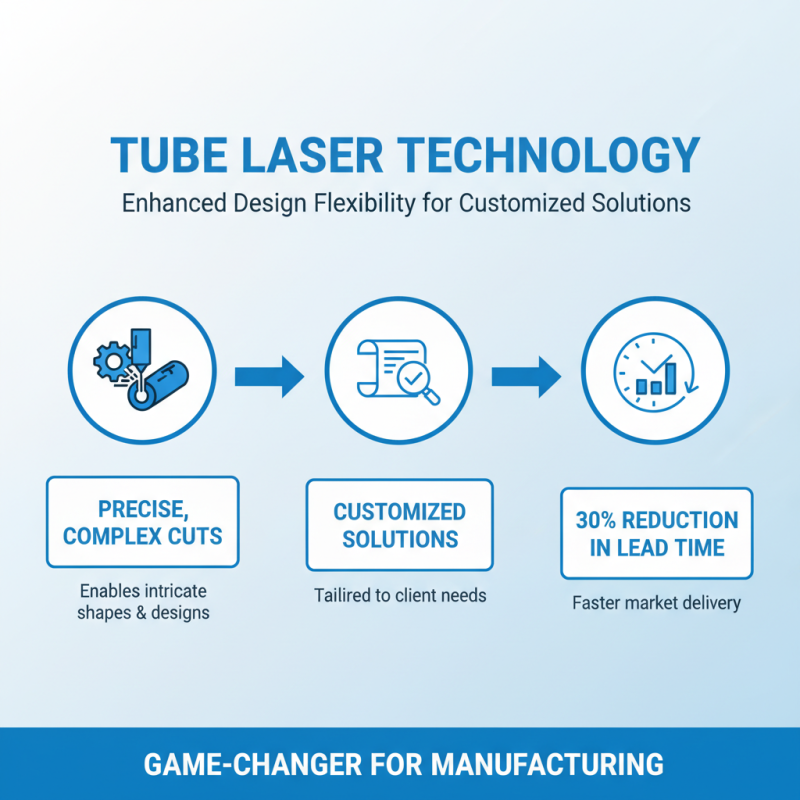
Enhanced Design Flexibility for Customized Solutions
The tube laser technology has become a game-changer for businesses looking to enhance their design flexibility. With the ability to cut complex shapes with precision, tube lasers enable manufacturers to produce customized solutions tailored to specific client needs. According to recent industry reports, companies using tube lasers can achieve a 30% reduction in lead time, which is critical in today’s fast-paced market.
Design flexibility allows engineers to experiment more freely. They can modify designs quickly, testing different geometries without significant waste. This is crucial for innovation. While tube lasers excel in efficiency, some companies still struggle with integrating the technology into existing systems. It’s important to assess your current workflows and ensure compatibility.
**Tip:** Consider pilot projects to test tube laser capabilities. It helps identify potential challenges without large-scale commitments.
Moreover, improved customization can lead to higher customer satisfaction. Customers appreciate unique solutions that meet their exact specifications. However, the learning curve for new technology may slow down initial progress. Training employees effectively is essential.
**Tip:** Invest in training programs that focus on tube laser operation and design capabilities. This pays off with increased productivity.
Cost Savings through Material Optimization and Waste Reduction
Using tube lasers in manufacturing is increasingly recognized for its cost-saving potential. Material optimization plays a crucial role in this process. By precisely cutting materials, tube lasers minimize waste, leading to substantial savings. This precision results in a better yield from each sheet, meaning less scrap metal and lower costs. Businesses can redirect resources to other areas, enhancing overall efficiency.
Tips: Invest in training for your team. Understanding how to maximize laser settings can improve material usage. Regularly review cutting parameters. Sometimes, small adjustments can lead to significant waste reduction.
Furthermore, tube lasers allow for intricate designs that traditional methods may struggle with. This capability opens doors to innovative products, increasing market competitiveness. However, some businesses might find it challenging to fully utilize the technology. Continuous evaluation of manufacturing processes is essential. Reflect on your current setup. Are you truly maximizing the capabilities of your tube laser? Strive for improvement in areas that can enhance productivity and reduce costs.
Top 10 Benefits of Using Tube Laser for Your Business
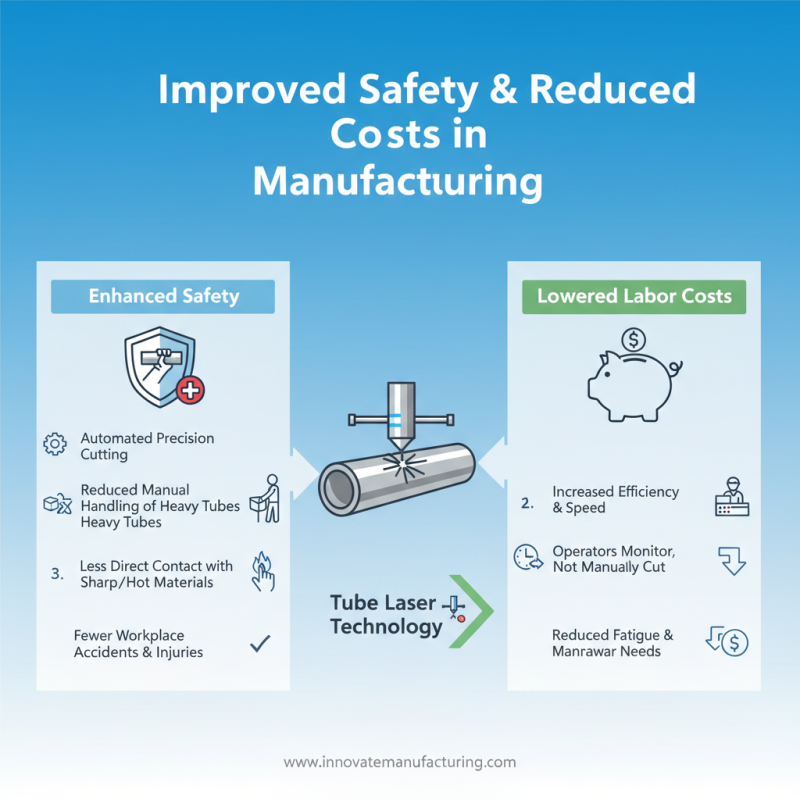
Improved Safety and Reduced Labor Costs in Manufacturing
Using tube laser technology in manufacturing brings significant improvements in safety and labor costs. Traditional methods often require manual handling of heavy tubes, increasing the risk of injury. Tube lasers automate precise cutting, reducing direct contact with sharp edges and hot materials. This automation lessens workplace accidents and creates a safer environment for employees. Operators can focus on monitoring rather than physically managing cuts, which lowers stress and fatigue.
Labor costs drop as tube laser machines execute complex cuts faster than manual labor. The technology minimizes material waste, preventing extra expenses related to errors. While initial investment is high, the return on productivity justifies the cost over time. However, businesses must consider ongoing maintenance and potential downtime, which can disrupt schedules. Operators also need proper training to maximize benefits and avoid misuse.
The precision of tube lasers enhances overall product quality, decreasing the need for rework. Yet, it's not a perfect solution; some tube shapes and sizes might challenge laser compatibility. Constant evaluation and adaptation are necessary for continuous improvement. Despite such challenges, the balance of safety and efficiency makes tube lasers a smart investment for manufacturing operations.