Top 2026 New Machinery Trends What You Need to Know?
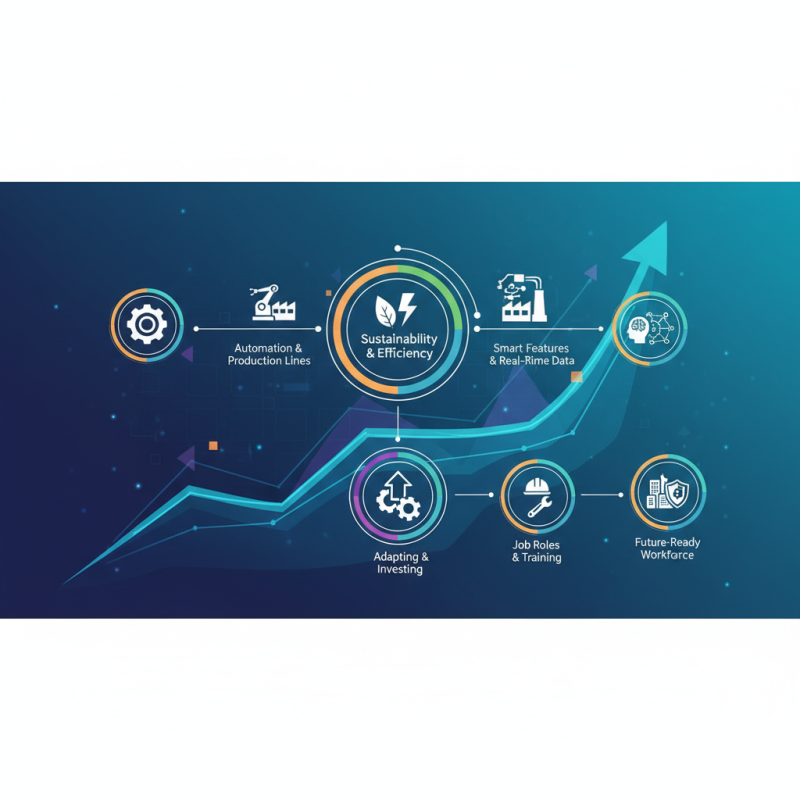
As industries evolve, "Maquinarias Nuevas" are emerging as a pivotal point of transformation. Innovations in machinery are not just about speed. They focus on sustainability and efficiency. Businesses must adapt to these trends or risk being left behind.
New technologies are shaping how we work. For example, automation tools are more accessible. They change production lines and workforce demands. Machines are now designed with smart features, offering real-time data. This shift can lead to unexpected challenges, as industries learn to manage tech-driven changes.
Embracing these machinery trends means reassessing current practices. Many companies struggle with this adaptation. They must consider their existing infrastructures. Investing in "Maquinarias Nuevas" is essential to stay competitive. Yet, it's crucial to evaluate their impact on job roles and training needs. This evolution is not just about new machines; it's about building a future-ready workforce.
Top Innovations in Machinery: Key Trends to Watch in 2026
In 2026, the machinery industry is expected to witness significant innovations. Advanced automation is leading the charge. According to a recent report, 57% of manufacturers are investing in automated solutions. These innovations boost efficiency and reduce labor costs. Robotics and AI are at the forefront of this trend.
Sustainability is another key focus. Many companies are shifting towards eco-friendly machinery. The global market for green machines is projected to grow by 14% annually. However, challenges arise in balancing costs and sustainable practices. Companies may struggle with upfront investments, despite long-term savings.
Data analytics is transforming machinery operations. Real-time data monitoring helps optimize performance. A study indicated that 65% of firms report productivity boosts from data integration. Yet, ensuring data security remains a critical concern. Many businesses overlook the risk associated with data breaches.
Impact of AI Integration in Machinery for Enhanced Efficiency
The integration of artificial intelligence (AI) in machinery is revolutionizing industries. According to a 2023 report by McKinsey, AI can boost operational efficiency by up to 20%. This shift is not just about automation; it fundamentally enhances decision-making processes in manufacturing and logistics. The infusion of AI algorithms allows machines to analyze data in real-time, leading to smarter production schedules and reduced downtime.
However, the path is not without challenges. Many companies struggle to adapt to this technology. A study by Gartner highlighted that 60% of firms cite a lack of skilled personnel as a major barrier. Training employees is essential for seamless integration, yet it remains a daunting task. The reliance on machines can also lead to unforeseen issues, such as system malfunctions or data inaccuracies, which can disrupt workflow.
AI-powered machinery demands a new mindset. Organizations must embrace continuous learning and flexibility. The benefits are substantial, but the risks are real. Balancing innovation with caution is key. Embracing AI is not a straightforward journey; it requires a deep commitment to growth and adaptation amid uncertainties.
Sustainable Practices: Green Technologies Reshaping Machinery Trends
Sustainable practices are transforming the machinery industry. Green technologies are at the forefront of this shift. Manufacturers are embracing innovations that reduce waste and lower energy consumption. For example, electric machinery is gaining popularity in various sectors. This change is driven by a collective desire to minimize the carbon footprint.
Some technologies are still in their infancy. They require considerable investment and resources. The transition can be slow, leaving many companies hesitant. Yet, those who take the leap often find long-term benefits. The use of biodegradable lubricants illustrates how small changes can lead to a larger impact. These options may not always perform as expected. Companies must balance cost and performance.
Understanding how to integrate green technologies is crucial. Training and education play significant roles in this process. Employees must adapt to new systems and methods. Challenges arise along the way. Some machinery still relies on traditional fuel sources, complicating the shift. The path to sustainability is not straightforward, but it is necessary for future progress. Each step taken towards a greener approach opens new doors.
The Role of IoT in Revolutionizing Machine Connectivity and Data Use
The Internet of Things (IoT) is reshaping how machinery operates and communicates. With smart sensors embedded in machines, data can be collected in real-time. This connectivity provides insights that were once unimaginable. Machines can alert operators to issues before they escalate. However, reliance on these technologies can lead to challenges. Over-reliance on automated systems may mean neglecting manual checks.
Moreover, as data flows between devices, ensuring security is crucial. Vulnerabilities in connectivity can lead to data breaches. Organizations must constantly evaluate their security measures in this evolving landscape. Training workers to interpret data meaningfully is another hurdle. Access to data doesn’t automatically lead to better decision-making. Employees need the right skills to analyze this information effectively.
The integration of IoT also raises questions about standardization. Different machines may not communicate seamlessly if there are no universal protocols. This situation can create islands of information rather than a connected ecosystem. Stakeholders must remain aware of these obstacles as they embrace IoT in their operations. Ultimately, while IoT offers great potential, it also demands thoughtful implementation and ongoing reflection.
Top 2026 New Machinery Trends: The Role of IoT in Revolutionizing Machine Connectivity and Data Use
Market Projections: Growth Rates and Demand in Machinery for 2026
The machinery market is poised for significant growth by 2026. Projections indicate a steady increase in demand across various sectors. Manufacturers are adapting to new technologies and automation processes. This shift is vital as industries look for efficiency and productivity.
Growth rates are estimated to rise between 5% and 8% annually. Construction and agriculture remain key drivers. However, sustainability concerns are pushing for greener solutions. Many firms need to rethink their strategies. The integration of AI and IoT will transform operations, but not all companies are ready to embrace these changes.
Supply chain challenges could hinder progress. Global disruptions have underscored the need for resilience. Furthermore, regulatory hurdles may complicate the introduction of new machinery. Companies must navigate these complexities with caution. The future is promising, but obstacles remain.
